Sign Up
School Account Sign Up




Can You Fool a Birthday Candle?
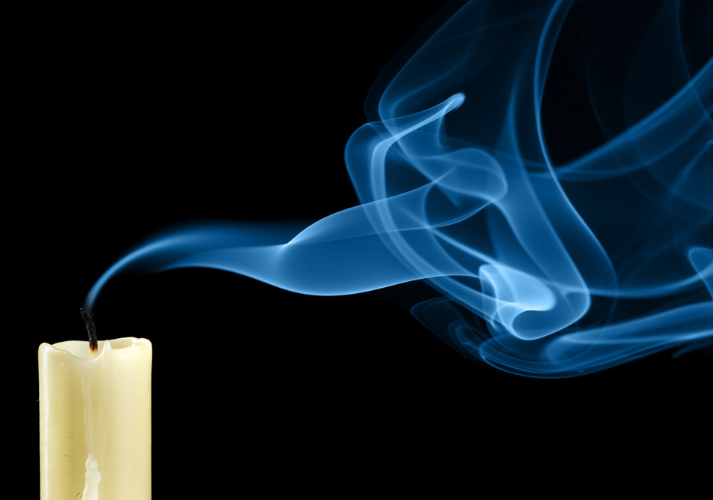
You blow and blow, and it looks like the flame is gone—until it suddenly pops back to life! It feels like a magic trick... but it’s really all about science.
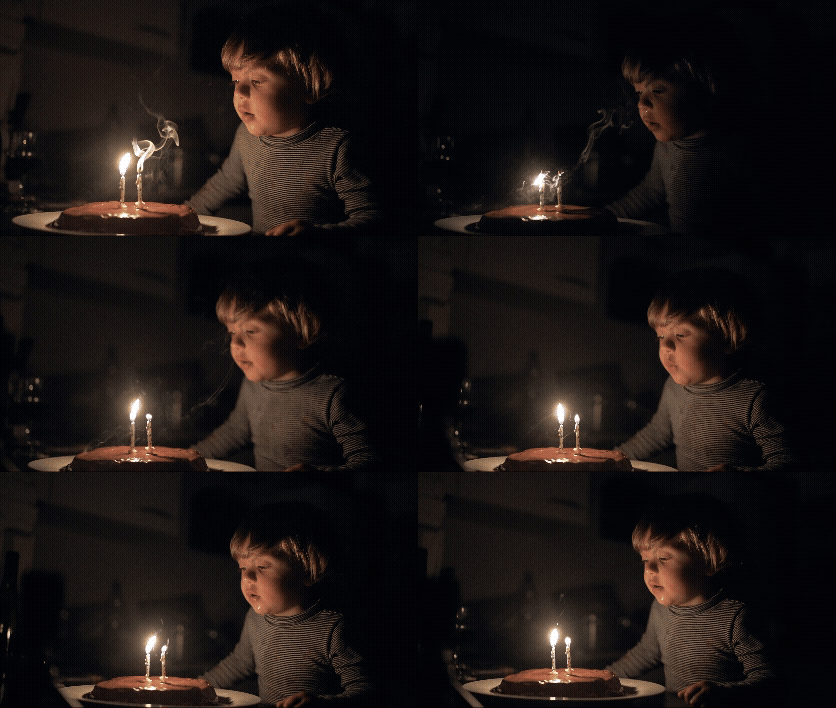
So here’s a flaming question: What does a fire need to stay alive?
Just like you need food, water, and air to live, a fire needs air, too! If you take away its air, the fire gets famished, which means it's out of energy.
And when that happens? Poof! The fire disappears.
Let’s find out why.
Fire’s Best Friend: Oxygen
Air is all around you, even though you can’t see it.
It's made of gases—one of them is oxygen, and oxygen is super important for many things: people, animals, plants... and fire.
Yes, fire is picky. It won’t burn unless it has oxygen to keep it going. That’s why blowing out a candle works—you’re pushing away the oxygen the fire needs.
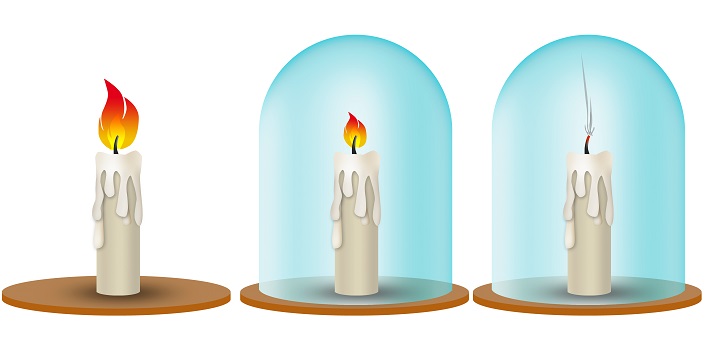
But here’s something cool: If you trap fire inside a glass jar, it will go out on its own.
Why? Because the fire uses up all the oxygen inside the jar. Once it's all gone, the flame can't keep burning, and it goes out!
Big Jar, Little Jar
Imagine lighting two small candles and covering each one with a different jar—one tall and one short.
The one under the shorter jar! That jar has less air inside, so the fire runs out of oxygen faster.
The taller jar has more air, so the flame lasts longer—but not forever.
Fire always needs oxygen. No oxygen? No fire!
Trick Candles: Now You See It, Now You Don’t
Those silly candles that light back up after being blown out are called Magic Relighting Candles. They’re fun at parties—but they still follow the rules of science!
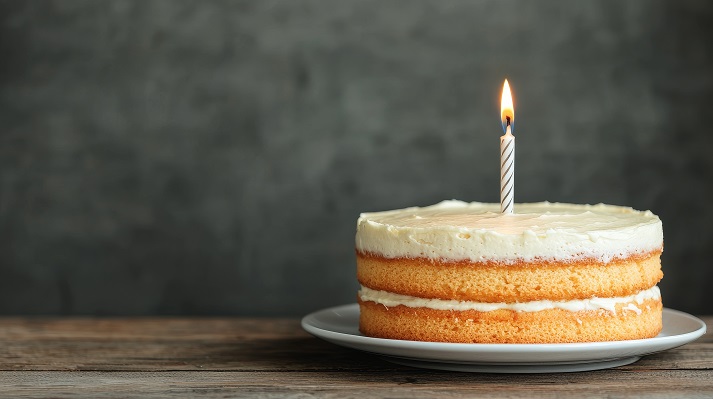
Blowing them out doesn’t always stop them, but covering them with a glass does.
Why? Because the glass blocks fresh air from coming in, without oxygen, the flame can’t restart.
How Does This Help You?
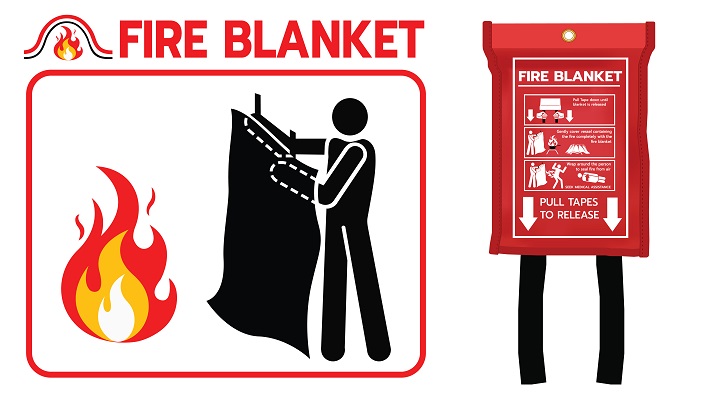
Knowing that fire needs oxygen helps people stay safe. Firefighters, scientists, and even people at home use this knowledge.
Putting fires out safely.
Designing fire extinguishers.
Understanding how smoke spreads.
Keeping kitchens and campfires safe.
That’s not just smart—that’s science in action!
Now that you know fire’s favorite fuel is air, it’s time to test what you’ve learned. Get ready to explore the Got It? section!

Supplies


 FAVORITE
 Like
Like