Sign Up
School Account Sign Up

Lesson ID: 12698
What happens when your body’s defense system attacks… you? Discover what autoimmunity is, what causes it, and how people manage it every day.




Attack Mode: But… On the Wrong Target?
Imagine an army trained to protect its country. It patrols the borders, defends against enemies, and keeps everyone safe.
This shocking idea is actually very real inside the human body. Your immune system—usually your fiercest defender—can sometimes get confused. When that happens, it attacks healthy parts of you by mistake.

That’s what this lesson is all about: autoimmunity.
Explore how this happens, what it looks like, and how scientists are working to help the body aim in the right direction again.
The Immune System’s Job: Friend or Foe?
Your immune system is designed to protect you from outside threats, such as bacteria, viruses, parasites, and toxins.
Dendritic cells detect invaders.
T cells sound the alarm or fight directly.
B cells produce antibodies.
Phagocytes gobble up the invaders.
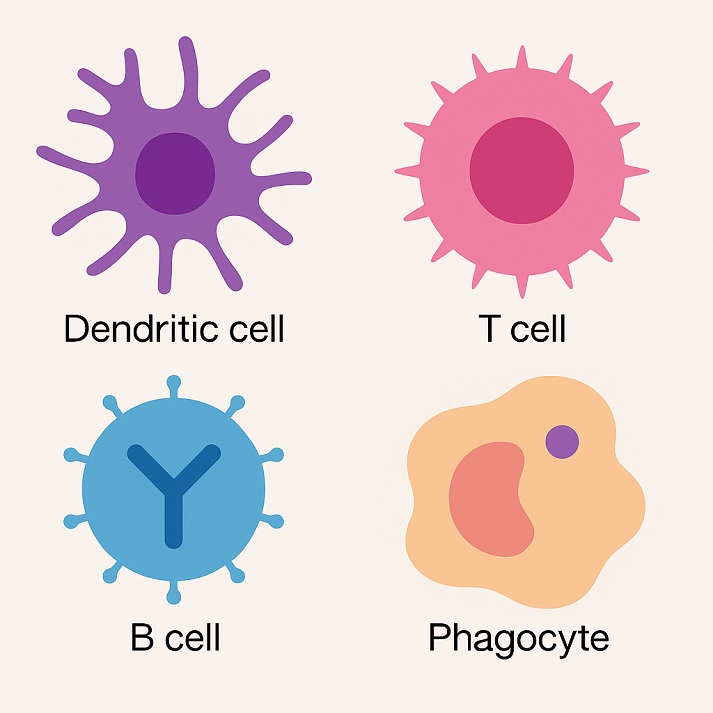
These specialized cells work together like a well-trained army, identifying enemies (called antigens) and attacking them before they can make you sick .
Autoimmunity: Friendly Fire
When your immune system can't tell the difference between harmful invaders and your own body, it attacks healthy tissues. This is called an autoimmune response.
Pain, inflammation, and sometimes long-term damage. Instead of saving the day, the immune system becomes the problem.
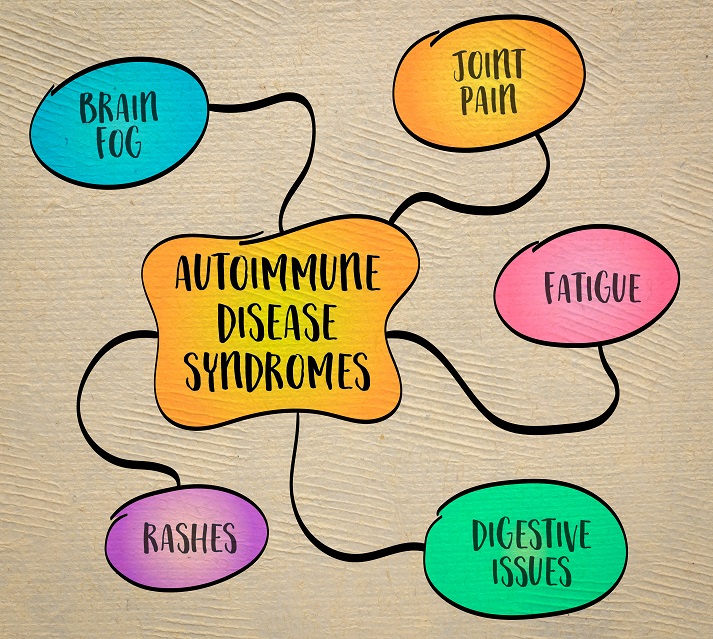
Scientists still don’t fully understand why this happens, but several triggers are known to play a role.
Genetics (family history)
Viruses or infections
Environmental pollutants
Certain foods (like gluten in celiac disease)
Medications
Hormonal changes or imbalances
Stress
Examples You Might Know
Autoimmune diseases can affect nearly every part of the body. Here are just a few common ones.
| Autoimmune Disease | Body Part(s) Affected | What Happens |
| Type 1 Diabetes | pancreas | Immune cells destroy insulin-producing cells. |
| Rheumatoid Arthritis | joints | Immune attack causes swelling and joint damage. |
| Lupus | skin, joints, organs | Autoantibodies attack tissues across the body. |
| Multiple Sclerosis | brain and spinal cord | Immune cells attack nerve coverings. |
| Psoriasis | skin | Immune activity causes rapid skin cell growth. |
| Celiac Disease | small intestine | Gluten triggers an immune attack on the digestive lining. |
| Hashimoto's Thyroiditis | thyroid | Attacks thyroid cells, leading to hormone imbalance. |
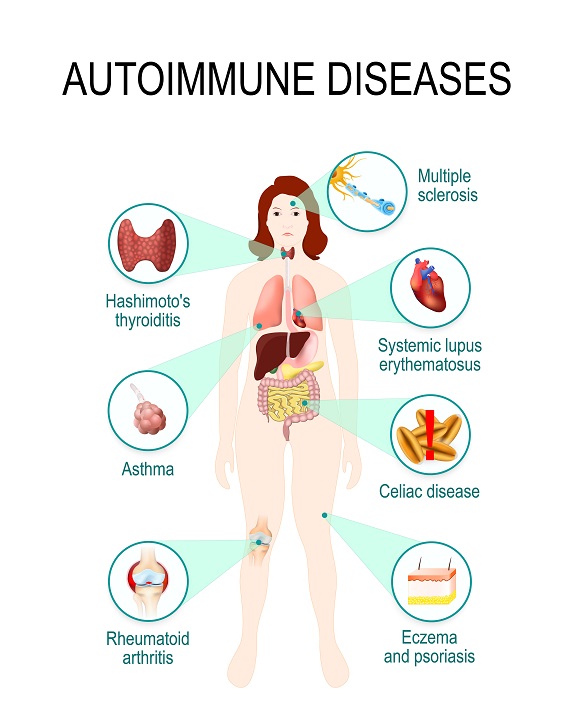
There are over 100 different autoimmune diseases, and new ones are still being studied.
Diagnosing the Problem
Autoimmune diseases can be tricky to identify because their symptoms often look like other illnesses. Doctors use a variety of diagnostic tools.
Blood tests (for autoantibodies and inflammation markers)
Imaging (like MRIs or ultrasounds to detect tissue damage)
Symptom tracking and medical history
Diagnosis can take months or even years, especially if symptoms come and go.
Can Autoimmunity Be Treated?
There’s no one-size-fits-all cure, but there are many treatment options. The goal is to calm the overactive immune system without completely shutting it down.
Here are some common treatments.
Steroids (to reduce inflammation fast)
Immunosuppressants (to slow down the immune attack)
Biologics (target specific parts of the immune system)
Pain relievers and anti-inflammatories
Hormone therapy (like insulin or thyroid hormones)
Plasma exchange (filters harmful antibodies from the blood)
Stem cell therapy (experimental but promising)

Doctors may also recommend lifestyle changes, such as stress reduction, healthy eating, avoiding smoking, or regular exercise, to help manage symptoms.
Living With Autoimmunity
People with autoimmune conditions often face various challenges.
Daily pain or fatigue
Emotional stress
Food or activity limitations
The challenge of “invisible” symptoms others don’t understand
But there’s hope. Medical research is advancing, and better treatments are being developed every year.
Many people with autoimmune diseases live full, active lives—especially when their condition is diagnosed early and managed well
What Happens Next?
Autoimmunity can sound overwhelming, but now you’ve got the tools to understand it! You know how the immune system works, what happens when it malfunctions, and what that means in real life.
Head to the Got It? section to review what you’ve learned with fun practice activities and quizzes to sharpen your thinking.
Let’s keep learning!

Supplies
Additional Resources


 FAVORITE
 Like
Like