Sign Up
School Account Sign Up

Lesson ID: 12494
Discover how radioactive elements are used in food safety, factories, pipelines, and more—and why this powerful tech needs careful handling.




Glow-in-the-Dark Factories?
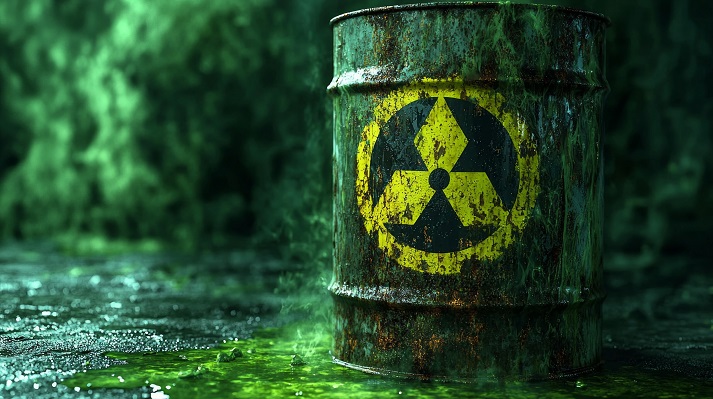
You might be surprised to learn that radioactive elements are used in factories, food packaging plants, airplane engines, pipelines, and even grocery stores.
They help catch problems before they become disasters and protect people in ways most never notice.
Industrial Uses of Radioactive Elements
Radioactive elements may be dangerous if mishandled, but in the right setting, they’re extremely useful.
Their ability to release energy, penetrate materials, and emit detectable radiation makes them perfect for applications where safety, strength, or cleanliness are key.
Quality Control in Manufacturing
Industries like automobile and aerospace use radioactive isotopes to inspect metal parts and detect flaws invisible to the eye. Here is an example.
Gamma radiation is aimed at engine parts.
If the radiation passes through too easily, it means there’s a crack or weakness inside.
This helps prevent dangerous failures once those parts are used in planes or cars.

Gauges and Measuring Devices
Radiation is also used in gauges that measure the thickness, density, or composition of materials.
In construction, radiation gauges measure the density of soil or road layers.
In manufacturing, they measure the thickness of plastic, paper, or even chocolate bars as they roll through a factory.
These tools use small amounts of radiation safely sealed in metal containers, making them durable, precise, and easy to monitor.
Tracer Applications
In the oil, gas, and mining industries, radioactive tracers are used to find leaks or blockages.
A small amount of radioactive material is inserted into a pipe or well.
As it moves, detectors track the radiation.
If the signal drops or stops, that’s where the problem is.
This method helps companies reduce waste, protect the environment, and locate resources more efficiently.

Food Irradiation: Safety or Shortcut?
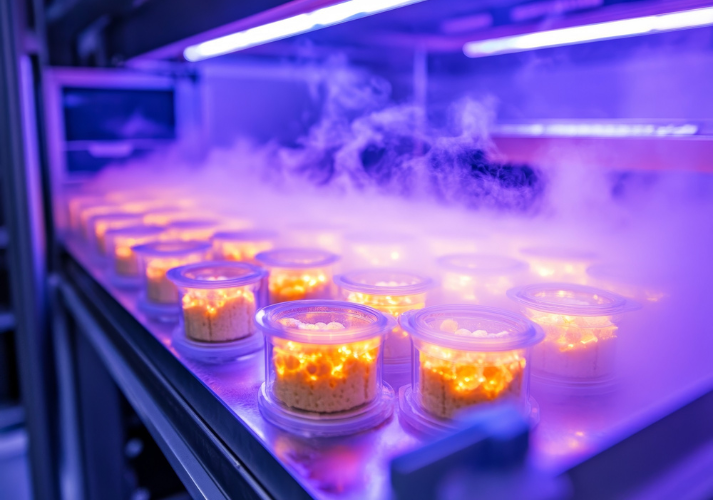
Perhaps the most debated use of radiation in industry is food irradiation—the process of treating food with ionizing radiation to kill bacteria and pests or extend shelf life.
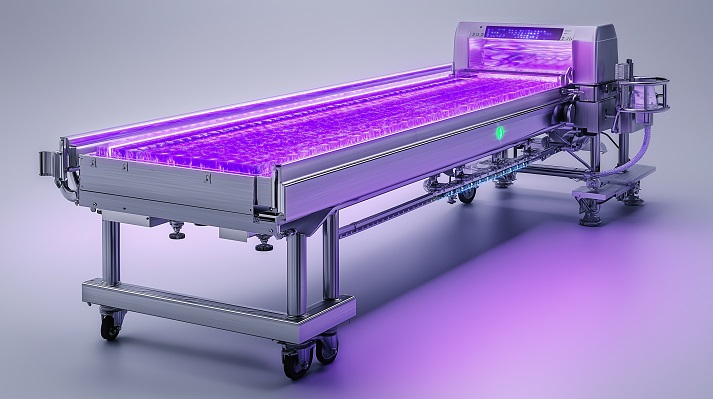
Benefits (According to the FDA)
Reduces the risk of foodborne illness by eliminating pathogens such as Salmonella and E. coli.
Prevents spoilage and sprouting in fruits and vegetables.
Destroys insects in imported produce.
Sterilizes food for people with weak immune systems (e.g., hospital patients, astronauts).
Does not make food radioactive or noticeably change flavor, texture, or appearance.
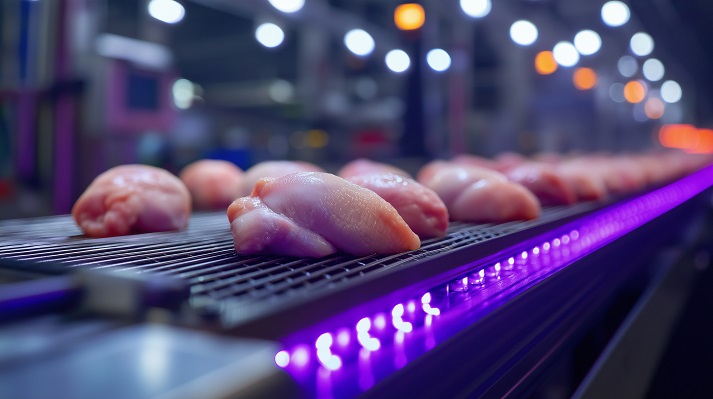
Concerns (According to the Food Commission)
Nutrient loss, especially vitamin C and E.
Formation of chemical by-products, some of which may not be well studied.
Doesn’t remove existing toxins, only bacteria.
May allow low-hygiene food production to continue without improving safety.
Could create misleading appearances—old food looking fresh.
Potential health and environmental impacts from accidents at irradiation facilities.
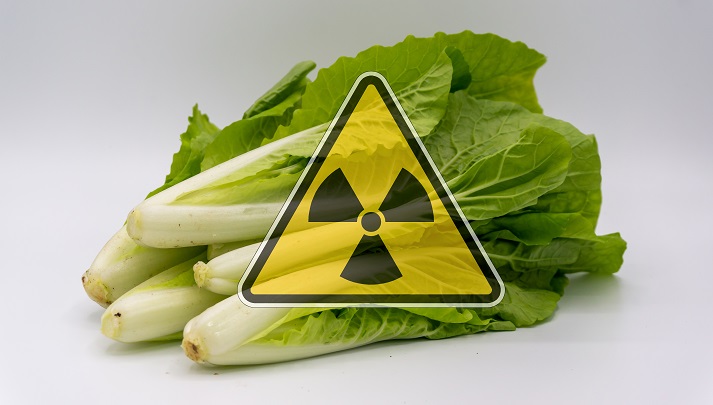
Food irradiation is permitted in the U.S. for items like spices, poultry, fruits, vegetables, seafood, and even shell eggs.
Products must be labeled with the Radura symbol to show they’ve been treated with radiation, but labeling rules vary depending on the food’s form and packaging.

Radiation Beyond the Factory Floor
Radioactive technology isn’t limited to quality checks or food safety. It also shows up in other industries.
Airport security (baggage scanners)
Soil testing for construction
Home safety (Smoke detectors contain small radioactive sources.)
Environmental monitoring, like testing for lead in old paint or analyzing water quality
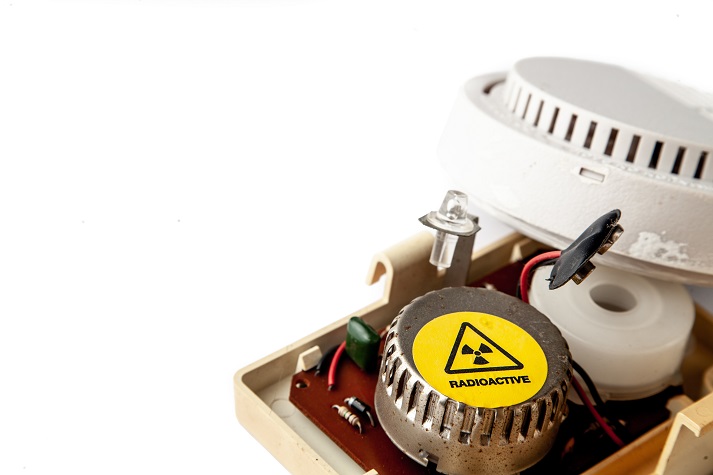
Radioactivity has quietly worked its way into nearly every major industry, and while it offers huge benefits, it also raises real questions about cost, safety, and long-term effects.
From fuel pipelines to your frozen dinner, radioactive elements are making modern life safer, faster, and cleaner—but not without debate.
Head to the Got It? section to see how much you’ve picked up before you put your knowledge into action!

Supplies
Additional Resources


 FAVORITE
 Like
Like