Sign Up
School Account Sign Up

Lesson ID: 11432
Meet the glider—a marsupial with stretchy skin that sails through the treetops! Discover how it glides, eats, and raises its joey high above the forest floor.



Built-In Parachutes and Midnight Flights
It’s not a bird or a bat—it’s a glider!
These incredible marsupials don’t need wings to fly. With stretchy skin and strong limbs, they launch into the air and glide from tree to tree under the moonlight.
And yes, they’re as cute as they are cool.
What Are Gliders?
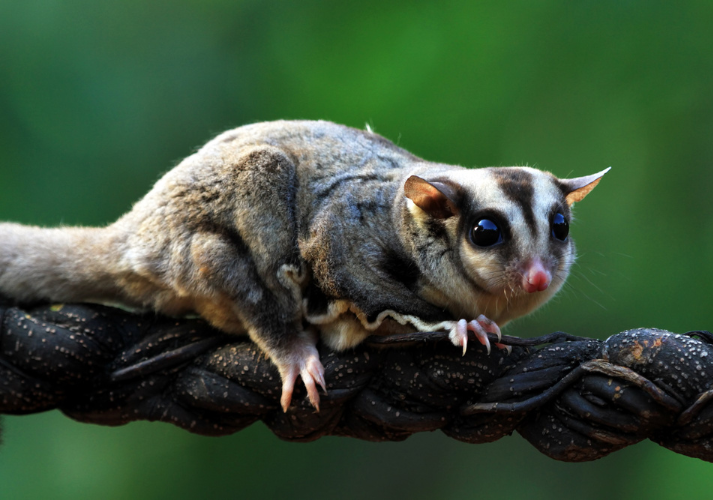
Gliders are small, furry marsupials, which means they’re mammals that carry their babies in a pouch.
They live in trees, are active at night (nocturnal), and include several different species found mostly in Australia, Papua New Guinea, and nearby islands.
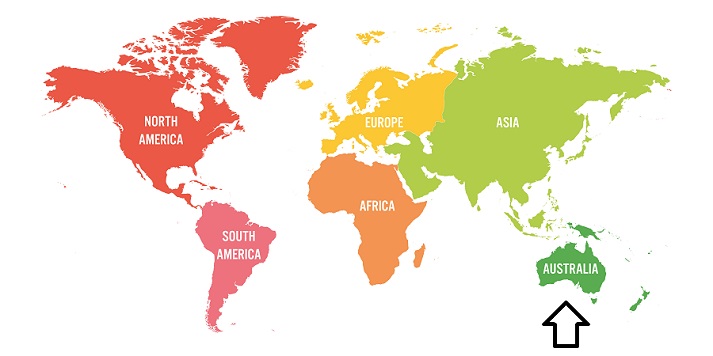
There are six known species of gliding marsupials.
Sugar gliders (the best known)
Mahogany gliders
Squirrel gliders
Yellow-bellied gliders
Biak gliders
Northern gliders
Though they vary in size and color, all gliders have one amazing thing in common—they can glide without wings.
How Do They Glide?
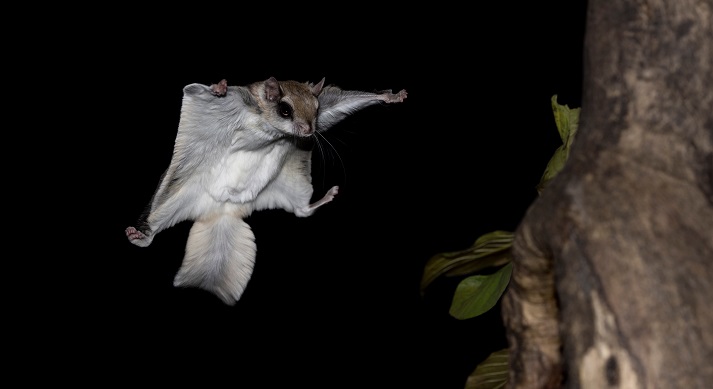
Gliders use a stretchy flap of skin called a gliding membrane that connects their front legs to their back legs.
When they leap, they spread their limbs wide, turning their bodies into parachutes. They use their tails to steer and slow down while gliding, sometimes flying as far as 150 feet in one smooth trip!
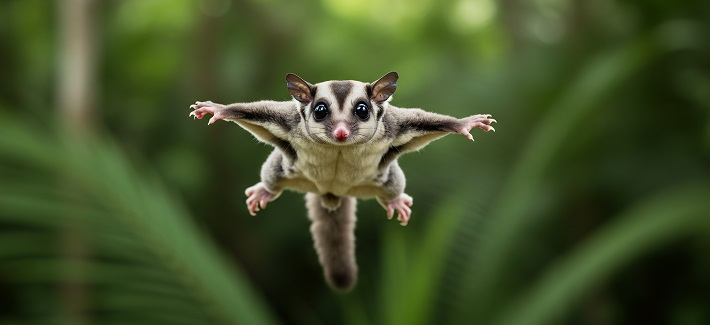
This helps them do the following.
Escape ground predators.
Travel quickly from tree to tree.
Find food without ever touching the ground.
They even change the shape of their membrane mid-air to control their flight, just like tiny pilots!
Life in the Trees
Gliders are arboreal—they live in trees and rarely come down to the ground. They make their homes in tree hollows and are very social, often living in family groups of up to nine.
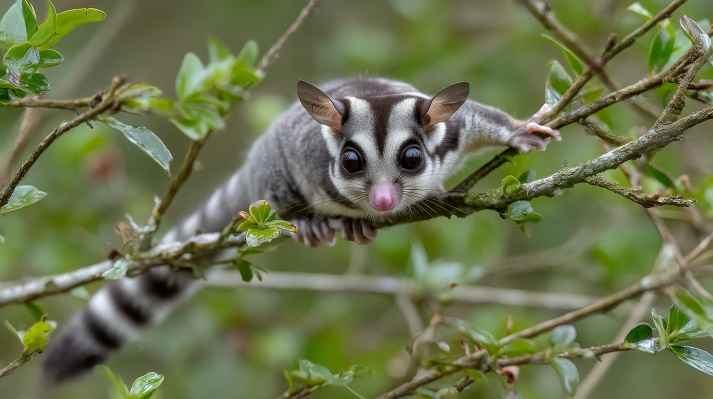
Gliders are omnivores. Their diet includes the following.
Nectar and pollen
Tree sap and gum
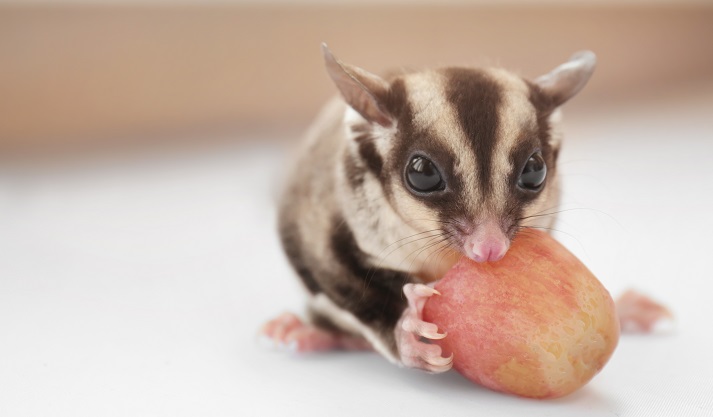
Fruit (especially sweet ones)
Insects and small animals
Sugar gliders, for example, love anything sweet—hence their name.
Baby Gliders and Pouches
Like all marsupials, gliders give birth to underdeveloped babies called joeys.
A glider joey starts life smaller than a jellybean. It crawls into its mother’s pouch to continue growing for several weeks.
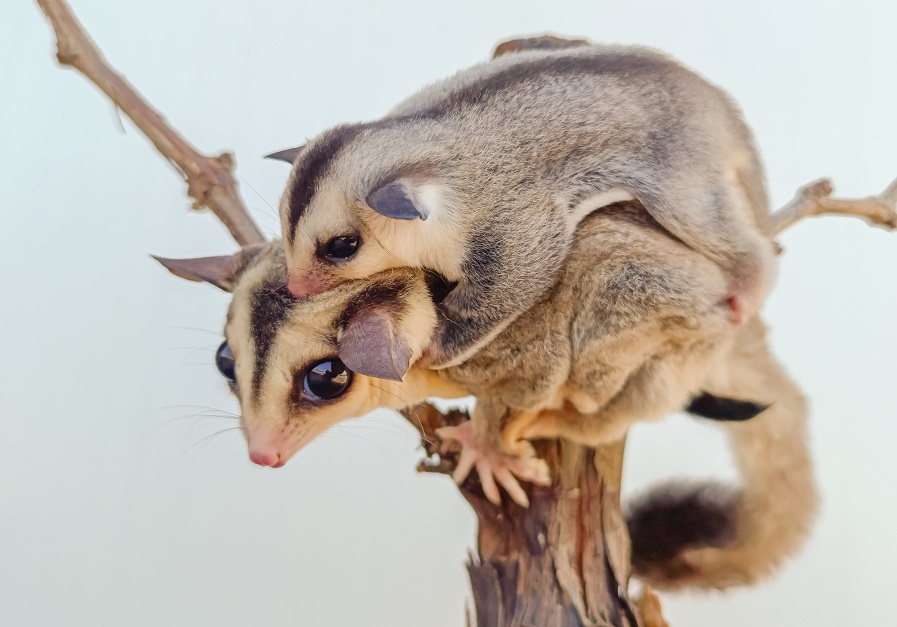
After it leaves the pouch, the joey rides on its mother’s back until it is ready to live on its own.
Most gliders have one or two joeys per litter, and the young stay with their mother for up to 10 months.
Gliders in Danger
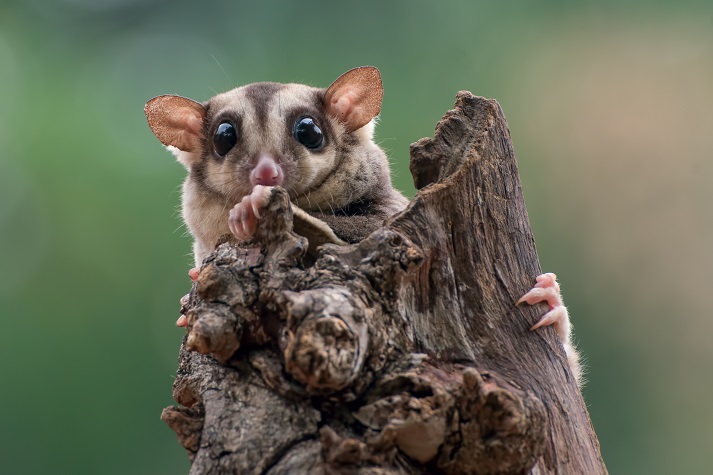
Many glider species are losing their forest homes because of deforestation—the cutting down of trees for buildings, farms, or roads. Without tree hollows to live in, they have nowhere safe to sleep or raise their young.
The mahogany glider, for example, is listed as vulnerable. Conservation groups in Australia are working hard to protect their habitats and support safe breeding programs.
Gliders also face threats from cats, dogs, and cars.
Protecting forests and raising awareness are two of the best ways to help.
Now that you know what makes these gliding marsupials so special, it’s time to take off into the next part of your lesson.
Head to the Got It? section to review what you’ve learned so far and put your new knowledge to the test!

Supplies
Additional Resources




 FAVORITE
 Like
Like