Sign Up
School Account Sign Up

Lesson ID: 14391
Can chemistry create water on Mars? Explore how dangerous reactions, careful calculations, and science under pressure keep astronauts alive.




The Most Dangerous Ingredient
Food runs out slowly.
Oxygen disappears fast.
Water? Water decides how long everything else lasts.
On Mars, there are no rivers, no rain, and no easy refills. Every sip, every plant, every system depends on water—and if it’s gone, survival ends. In The Martian, Mark Watney faces a brutal reality: even if he can grow food, none of it matters without water.
This lesson explores how chemistry becomes a survival tool when resources don’t exist naturally—and why making water from “nothing” is one of the most dangerous problems science can solve.
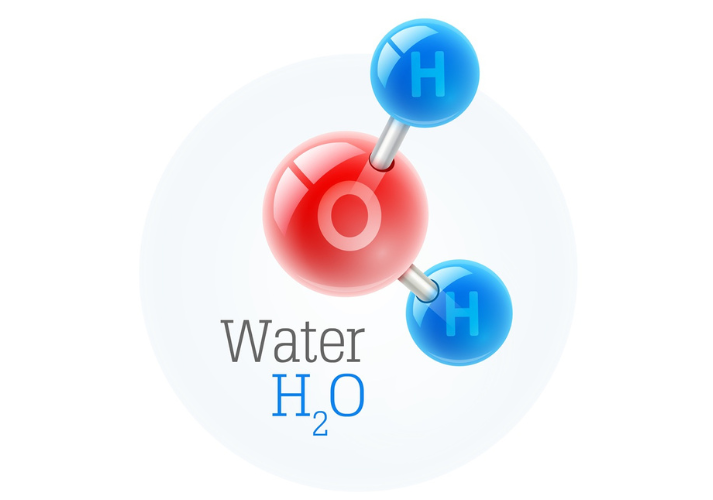
Why Water Is the Bottleneck
Water on Mars is scarce, locked away as ice or buried deep underground. Accessing it requires heavy equipment, time, and energy—things a stranded astronaut doesn’t have.
Water is essential because it:
Keeps humans alive
Allows plants to grow
Controls temperature
Supports chemical reactions
Helps manage toxic soil
No water means no farming. No farming means no long-term survival.
So if water can’t be found, it has to be made.
The Recipe Everyone Knows (But Few Should Try)
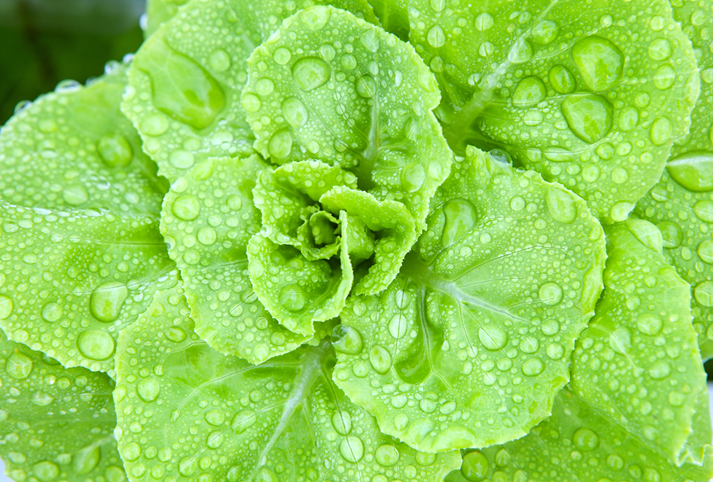
At its simplest, water is made from:
Hydrogen
Oxygen
Combine them correctly, and you get H?O.
Combine them incorrectly, and you get an explosion.
This is where chemistry becomes less about equations and more about control.
Video Moment: When Chemistry Gets Risky
Before breaking down the science, watch this short clip from The Martian. As you watch, pay attention to the assumptions Watney makes—and what goes wrong.

This scene captures both the brilliance and danger of applied chemistry under extreme conditions. Now, let’s unpack what’s actually happening.
Hydrazine: Fuel, Poison, and Problem-Solver
Hydrazine is a powerful rocket fuel stored on spacecraft. It’s also:
Highly toxic
Extremely reactive
Very dangerous to handle
Watney’s idea is scientifically sound in theory:
Run hydrazine over a catalyst (like iridium).
Break it into nitrogen (N?) and hydrogen (H?).
Burn hydrogen with oxygen to create water.
Every step is real chemistry. Every step is risky.
Catalysts: Speeding Up Reactions Without Being Used Up
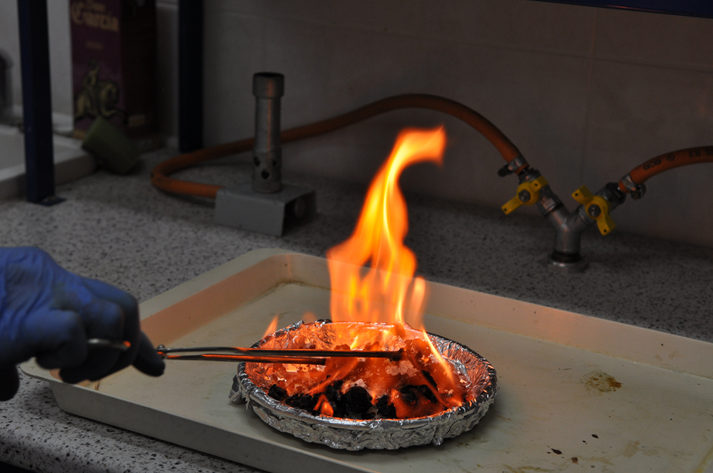
A catalyst is a substance that speeds up a chemical reaction without being consumed.
In this case:
The catalyst helps hydrazine decompose safely.
Without it, the reaction would be uncontrolled.
Catalysts are essential in space systems because they allow reactions to happen efficiently with limited energy.
The Explosion Problem (And Why It Happened)
Hydrogen burns fast. Oxygen makes it burn faster.
Watney’s mistake wasn’t ignorance—it was missing a variable.
Inside a sealed habitat:
Oxygen levels were higher than expected.
Hydrogen burned too quickly.
Heat and pressure built up instantly.
The result wasn’t surprising. It was inevitable.
Chemistry doesn’t forgive shortcuts.
Science vs. Survival Decisions
What the movie gets right:
The chemistry itself
The danger of hydrogen
The need for precise calculations
What it simplifies:
Heat buildup in enclosed spaces
Long-term damage from repeated reactions
How difficult it would be to manage safely
In real missions, making water this way would be a last resort—not a preferred method.
Why This Still Matters
This problem isn’t just about Mars.
The same chemistry principles apply to:
Fuel cells
Emergency oxygen systems
Submarines and space stations
Clean energy research
Extreme environments force scientists to think carefully, measure precisely, and respect the power of chemical reactions.
What Comes Next
You’ve seen how chemistry can create water—and chaos—at the same time.
In the Got It? section, you’ll test your understanding by analyzing reactions, identifying risks, and deciding which chemical choices actually make sense under extreme conditions.

Additional Resources
Suggested Reading
Suggested Resource



 FAVORITE
 Like
Like