Sign Up
School Account Sign Up

Lesson ID: 10340
Explore how shooting stars are really space rocks lighting up the sky, and create cool projects based on what you discover!




Catch a Falling Star!
Imagine you're staring up at the night sky when—zoom!—a bright streak of light flashes across the stars.
You're about to find out what shooting stars really are, where they come from, and how you can spot them for yourself.
Get ready for a dazzling journey across the sky—no spaceship required!
What Is a Shooting Star?
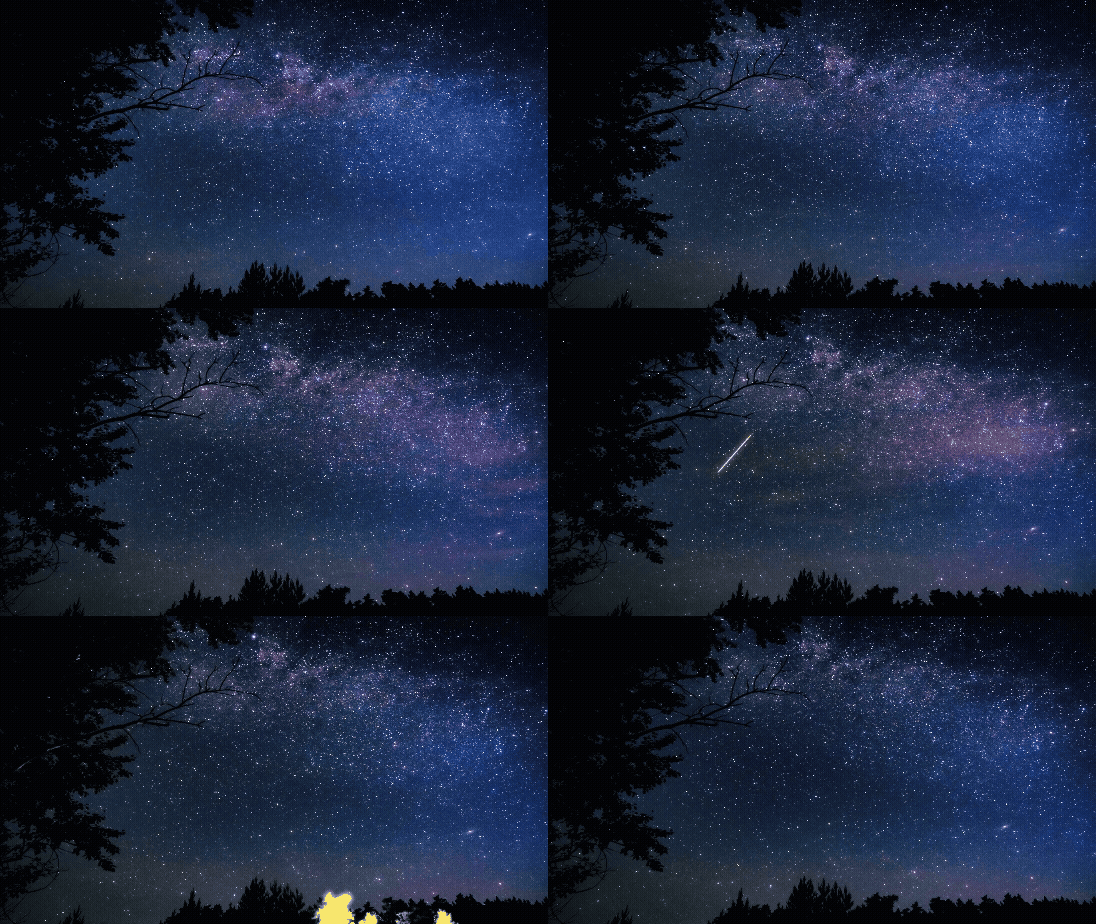
Despite the name, shooting stars aren’t stars at all. A shooting star is actually a meteor—a small piece of rock or dust zooming through the earth’s atmosphere at super-high speeds.
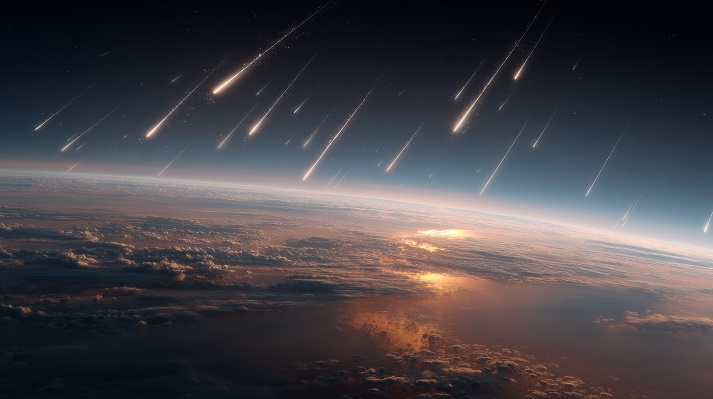
Most of these tiny space rocks are no bigger than a grain of sand, but they travel so fast (about 30,000 miles per hour!) that they glow brightly and create a streak of light across the sky.
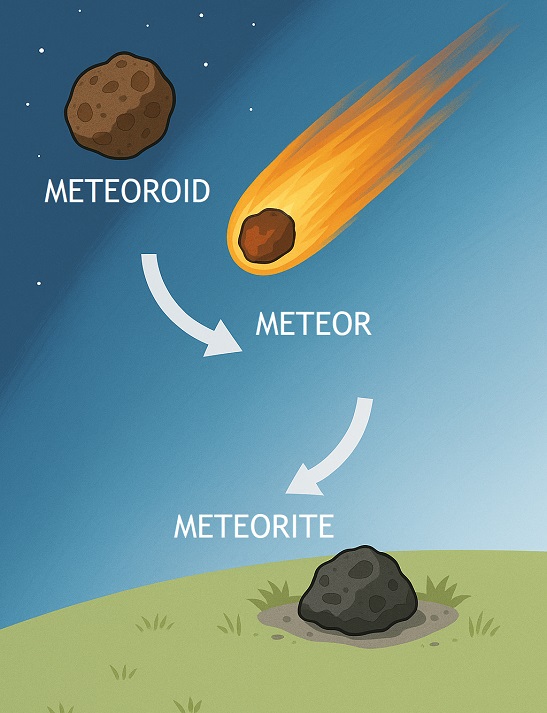
Here’s how it works.
In space, it’s called a meteoroid.
When it enters the earth’s atmosphere and lights up, it’s called a meteor.
If it survives the journey and lands on the ground, it’s a meteorite.
Why Do Meteors Glow?
When a meteoroid zips into the earth’s atmosphere, it crashes into air particles. This causes friction, which makes the rock super hot—up to 3,000°F!
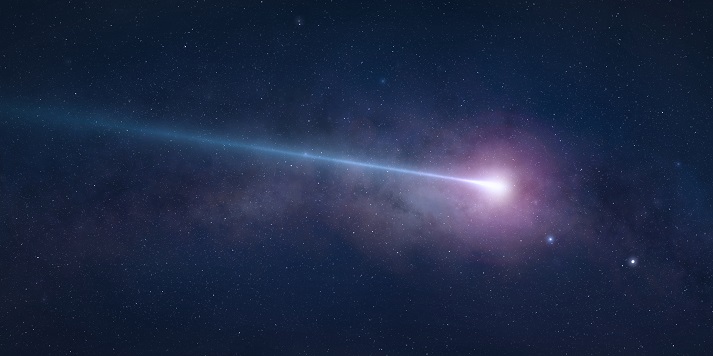
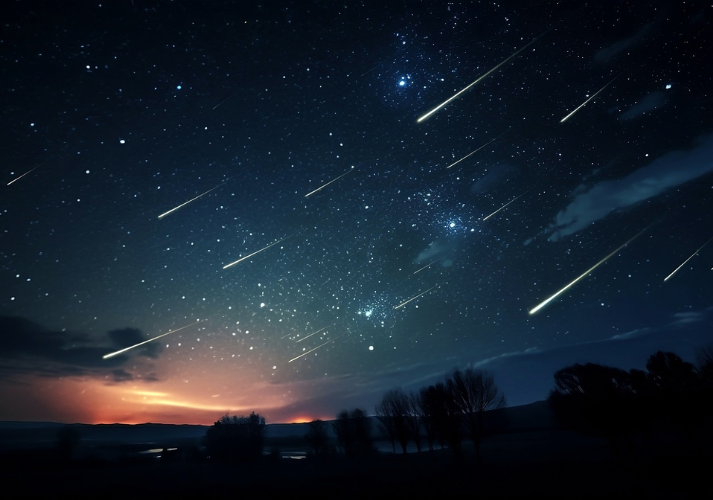
The heat makes it glow brightly and sometimes even leave a long, glowing tail. That glowing trail is what we call a shooting star.
Where Do They Come From?
Most meteors come from leftover bits of comets or asteroids.
When the earth crosses paths with one of these dusty trails, lots of meteors enter our atmosphere all at once. That’s called a meteor shower.
These showers happen at the same time every year because the earth follows the same path around the sun.
There are several famous meteor showers.
Perseids (August): From Comet Swift-Tuttle, these light up summer skies.
Leonids (November): Known for rare but epic “meteor storms.”
Geminids (December): These come from an asteroid, not a comet, and are extra bright.
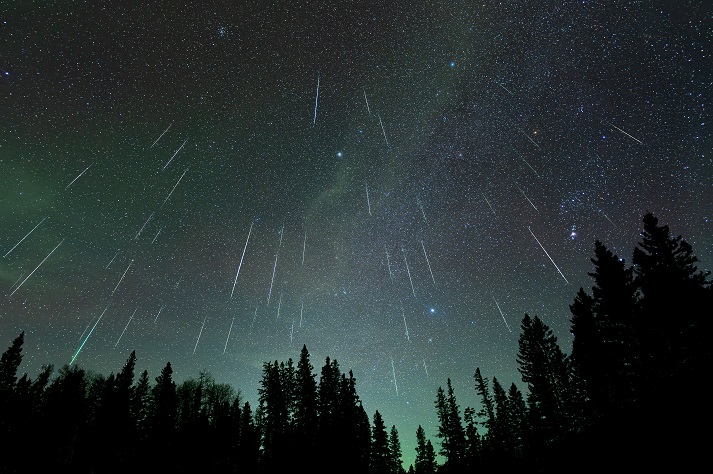
Meteor Showers: Night Sky Fireworks
During a meteor shower, it may look like the meteors are coming from one spot in the sky. That spot is called the radiant, and the showers are named after the constellation they seem to come from.
For example, the Perseid meteor shower looks like it’s coming from the constellation Perseus.
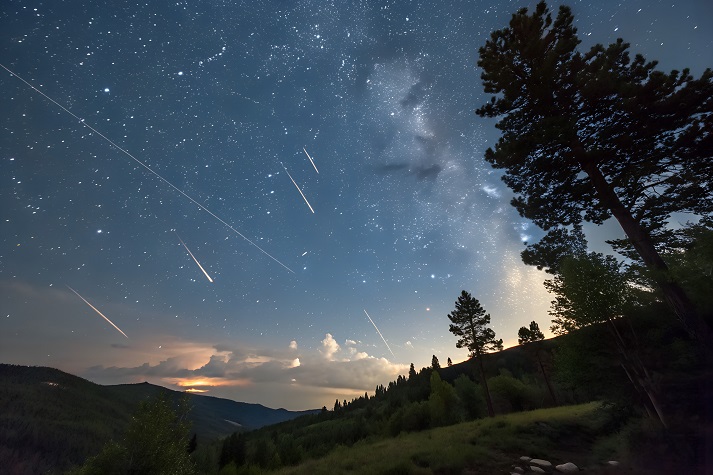
Meteor showers can produce anywhere from 10 to over 100 meteors per hour—if the sky is dark enough and there are no clouds or bright moonlight to block your view.
Tips for Spotting Shooting Stars
Here’s what you need.
A clear night sky with little to no moonlight.
A dark place away from city lights.
Warm clothes, if it’s chilly out.
A blanket or reclining chair, so you can look up comfortably.
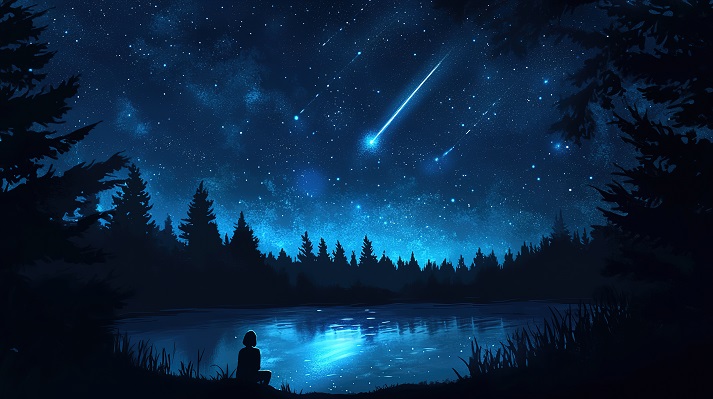
Look up, be patient, and keep your eyes peeled. Meteors can be fast—but once you see one, it’s unforgettable!
Did You Know?
Meteors can be as small as a pebble or as large as a car.
A fireball is an especially bright meteor. Some are even visible during the day!
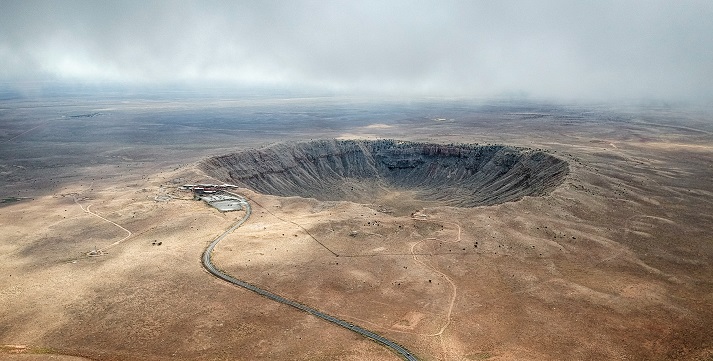
The largest crater in the U.S. from a meteor is in Arizona. It was made about 50,000 years ago by a giant iron meteor.
About 48 tons of meteoritic material hits the earth every day, but most of it is so small, it burns up before reaching the ground.
Ready to Practice?
You now know the difference between meteoroids, meteors, and meteorites—and how meteor showers light up the night sky. In the Got It? section, you'll get to test your skills and explore fun ways to show what you’ve learned.
Grab your curiosity—and maybe a telescope—and blast off into the next part of your lesson!

Supplies





 FAVORITE
 Like
Like