Sign Up
School Account Sign Up

Lesson ID: 11456
Jump into rivers and streams! Learn how they move, shape the land, and support life through fun activities and cool facts.




River Riddle Adventure!
Imagine you're standing at the edge of a twisty, splashy water road that stretches as far as your eyes can see. It sings, it sparkles, it never stops moving—and it’s not a highway or a slide.
That's right—a river! Today, you're going on an adventure to learn all about rivers and streams, where they come from, how they move, and what makes them so special.
Dive into discovery!
What Are Rivers and Streams?
Rivers and streams are bodies of water that flow, which means they’re always on the move.
That’s flowing water! In rivers and streams, the water moves in one direction, pushed along by gravity. This movement is called a current.

If you step into a river, you might feel that push—it can be gentle or strong, depending on how fast the water is moving.
When water flows, it creates ripples, waves, and even little waterfalls. These moving patterns help show where the current is going and how powerful it is.
Where Do Rivers and Streams Come From?
They don’t just appear out of nowhere! Most rivers and streams begin in one of these places.
Snow melt from mountains
Heavy rainfall
Lakes or ponds
Springs (water that comes up from underground)
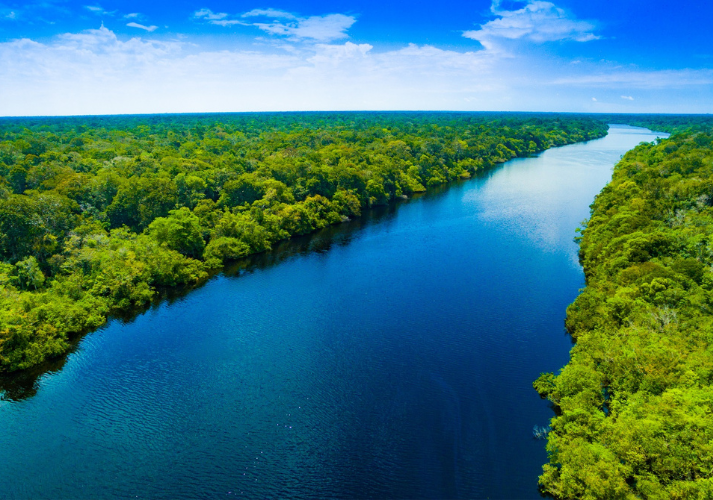
From there, the water moves downhill, pulled by gravity, carving out a path as it flows. Some rivers travel for hundreds or even thousands of miles!
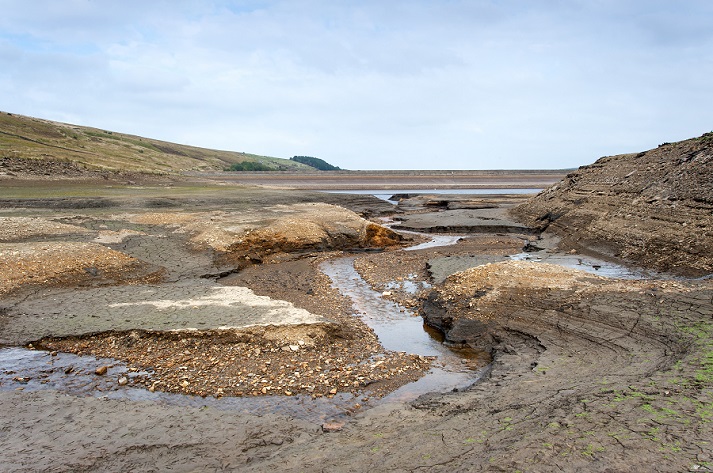
But rivers and streams aren’t always permanent. They can dry up, be blocked by dams, or be diverted by humans to use the water for things like farming and drinking.
How Are Rivers and Streams Different?
Compare the two.
Both are moving bodies of water.
Streams are smaller, shallower, and often quieter than rivers. Think of a stream as a little water trail winding through the woods.
Rivers are larger, deeper, and usually have a stronger current. They carry more water and can move faster.
Here’s an easy way to remember: Stream starts with “S,” just like “Small."

How Do Rivers Shape the Land?
Rivers are powerful! As they move, they shape the land around them.
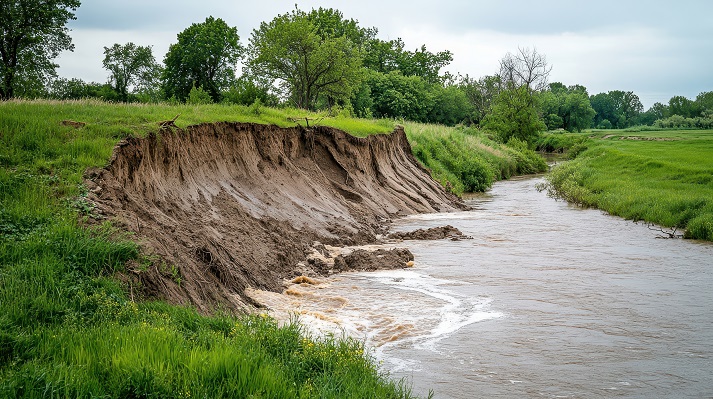
On the outside curve of a river, the water flows faster, and it can wear away the land. This is called erosion, and it can create steep riverbanks or cliffs.
On the inside curve, the water moves slower, and it drops sand, soil, and rocks, building up new land. These spots are often great for setting up campsites or landing boats.
So not only do rivers follow the shape of the land, they also change it over time!
What Lives in a River?
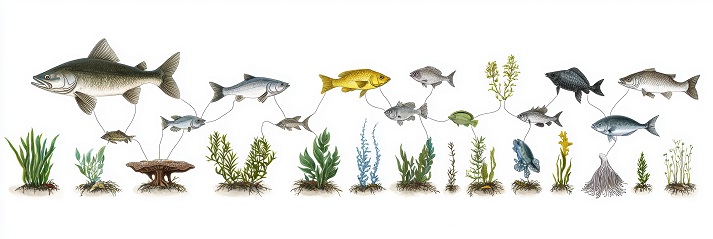
Every river and stream has its own food web, which is like a circle of life showing who eats what. It starts with the smallest things.
Algae and water plants grow on rocks and underwater. They soak up sunlight and turn it into energy—just like plants on land.
Tiny aquatic bugs eat the algae and plants.
Fish eat the bugs.
And sometimes, humans go fishing to catch the fish!
Each living thing plays an important role. If one part disappears, the whole web can change. That’s why scientists study rivers and streams so carefully—they’re full of life!
You’ve learned a lot about rivers and streams—how they flow, where they come from, how they shape the land, and what lives inside them. Now it’s time to put your knowledge to the test!
Head to the Got It? section to review what you’ve discovered and practice what you know before moving on to your next water-filled adventure.

Supplies
Additional Resources


 FAVORITE
 Like
Like