Sign Up
School Account Sign Up

Lesson ID: 11434
Meet the numbat—a rare, termite-loving marsupial that hunts by day, has no pouch, and slurps up 20,000 insects with its super-sticky tongue!




Not a Bat, Not a Bear—Just 20,000 Termites a Day!
Don’t let the name fool you—numbats aren’t bats at all. They’re striped little marsupials with bushy tails, long tongues, and a big appetite for bugs.
In fact, numbats slurp up as many as 20,000 termites a day!
While most marsupials sleep all day and come out at night, numbats are rare daytime hunters who sniff out termites under the hot Australian sun.
With fewer than a thousand left in the wild, every numbat matters—and every one is worth knowing about.
What Is a Numbat?
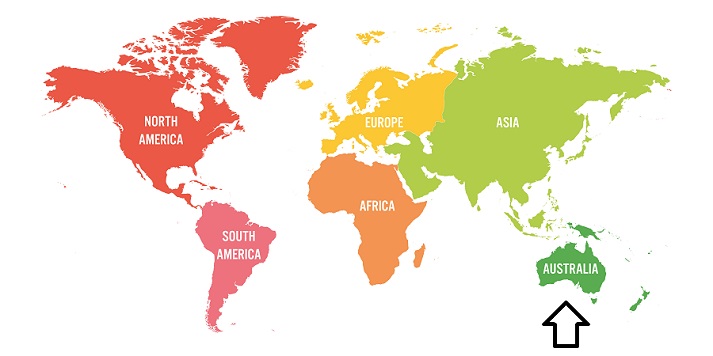
Numbats are small marsupials that live only in Western Australia.
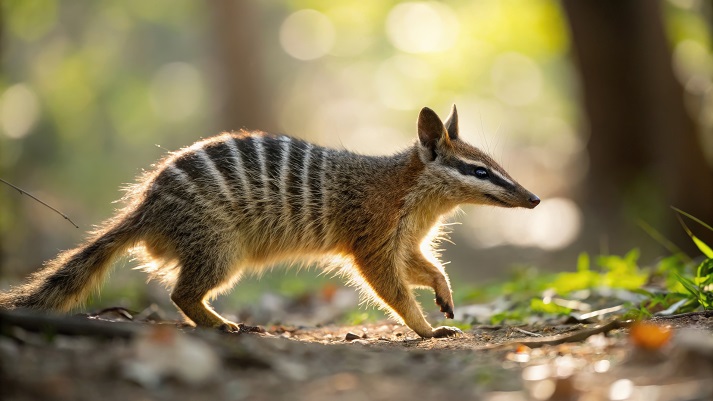
They're also known as banded anteaters, although they don't eat ants and they aren't related to anteaters at all.
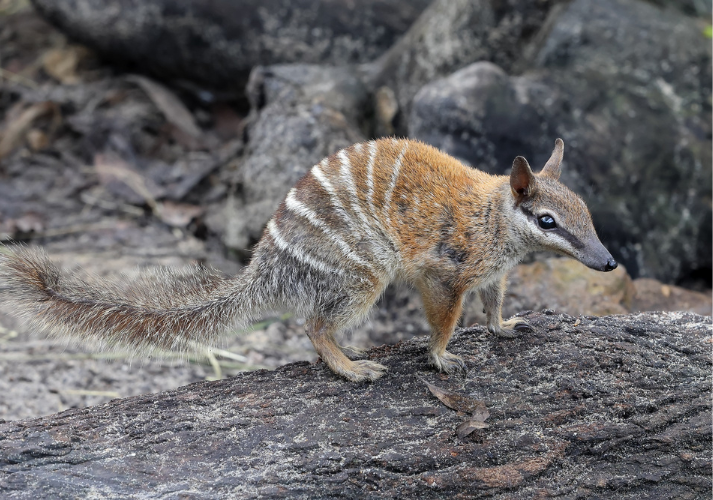
They have reddish-brown fur, a pointed nose, white facial stripes, and a long, bushy tail that looks like a bottlebrush.
Numbats are different from most marsupials in a few important ways.
They are diurnal, which means they are awake during the day and sleep at night.
They do not have pouches. Instead, baby numbats cling to their mother's belly fur and nurse for about 5–6 months before climbing off and starting to explore.
Numbat mothers can have up to four babies at a time, and the young become fully independent by the time they are around 12 months old.
What Do Numbats Eat?
Numbats are insectivores, which means they eat insects—but only one kind: termites.
They use their sharp sense of smell to find termite nests, then stick in their long, sticky tongue to collect their food. A numbat can eat up to 20,000 termites in a single day!
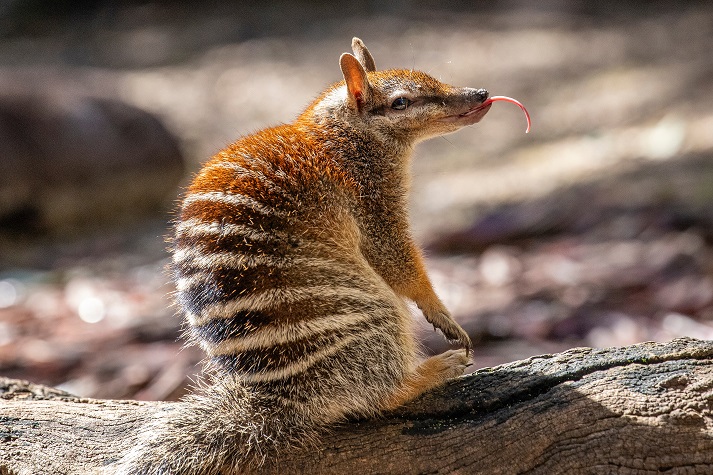
They don't dig like anteaters. Instead, they look for termites already crawling near the surface, usually when the sun warms the ground. Their eating schedule even changes with the seasons.
In winter, they feed in the middle of the day when it's warm.
In summer, they hunt in the cooler morning and evening hours
Where Do Numbats Live?
Numbats once lived across southern and western Australia, but now they can only be found in two small places, including Dryandra Woodland, where wildlife rangers work hard to save them.
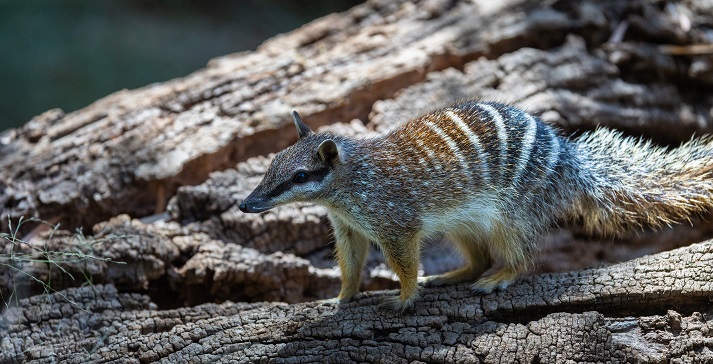
They make homes in hollow logs and burrows under trees.
These spots protect them from heat and predators like cats and foxes. Cats are especially dangerous, killing more than a billion animals every year in Australia alone
Why Are Numbats Endangered?
Numbats are among the most endangered marsupials in the world. Only around 1,000 are left in the wild. These are their biggest threats.
Habitat loss (especially the eucalyptus forests they depend on)
Predators, especially feral cats and foxes
Lack of termite-rich feeding grounds
Scientists use tracking collars to study numbats and learn how to save their species. These collars send signals so scientists can count the number of numbats, track where they go, and check the number of joeys born each year.
Thanks to these efforts, some populations are growing again. In Dryandra Woodland, for example, the number of numbats has gone from just 50 to over 400 in a few years.
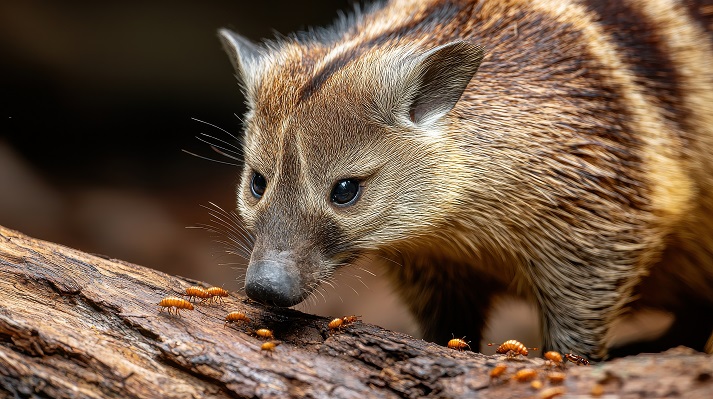
You've learned all about the termite-hunting, daytime-living, tail-wagging numbat.
Now, it's time to zoom in on what you remember and get ready for a fun activity in the Got It? section!

Supplies


 FAVORITE
 Like
Like