Sign Up
School Account Sign Up

Lesson ID: 14397
Discover how women changed sports by challenging unfair rules, attitudes, and limits—and how progress really happens over time.




Who Gets to Play?
Picture a packed stadium, a championship game, and a record-breaking performance. Now imagine being told you cannot compete there—not because of skill, but because of who you are.
For much of sports history, talent was not enough. Many girls and women trained just as hard as male athletes, but rules, attitudes, and limited access kept them on the sidelines.
The sports world you see today exists because certain athletes refused to accept those limits.

This lesson explores women who broke barriers in sports. Their stories show how change usually happens: step by step, through persistence, courage, and performance that could not be ignored.
By the end of this lesson, you will understand how fairness in sports has expanded over time—and why it took so long.
Sports, Power, and Opportunity
Sports are not just games. They shape who gets scholarships, media attention, leadership roles, and professional careers.
For decades, women were told sports were unsafe, unfeminine, or unnecessary for them. Those ideas affected funding, rules, and access.

Barriers in sports often fell into five main categories:
Rules: Some sports banned women outright or restricted how they could compete.
Attitudes: Many people believed women were not strong, fast, or competitive enough.
Access: Girls often lacked teams, facilities, coaching, or leagues.
Funding: Women’s programs received less money, equipment, and travel support.
Expectations: Female athletes faced pressure to prioritize appearance or behavior over performance.
The athletes in this lesson faced different combinations of these barriers. None removed them alone—but each pushed the limits further.
Breaking Barriers, One Sport at a Time
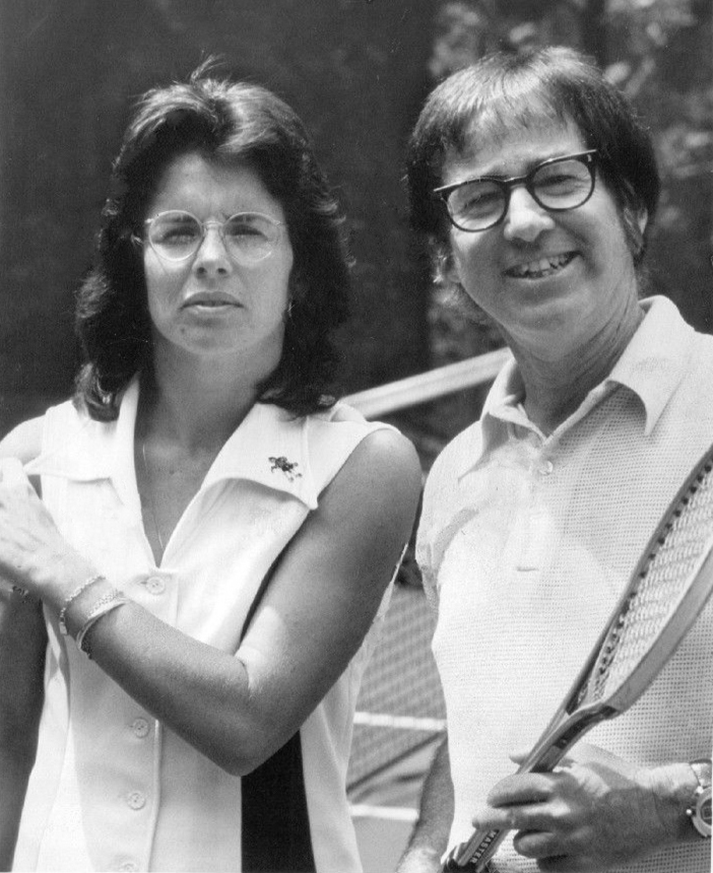
Tennis: Billie Jean King
In the 1960s and 1970s, women tennis players earned far less than men, even when they played the same tournaments. Billie Jean King did not accept that imbalance. She won major championships and openly challenged unequal pay and respect.
In 1973, she defeated Bobby Riggs in a highly publicized match. The match did not solve inequality overnight, but it forced millions of viewers to reconsider assumptions about women’s athletic ability.
That same year, the U.S. Open became the first major tournament to offer equal prize money.
Barrier Challenged: attitudes and pay inequality
Strategy Used: excellence in competition and public visibility
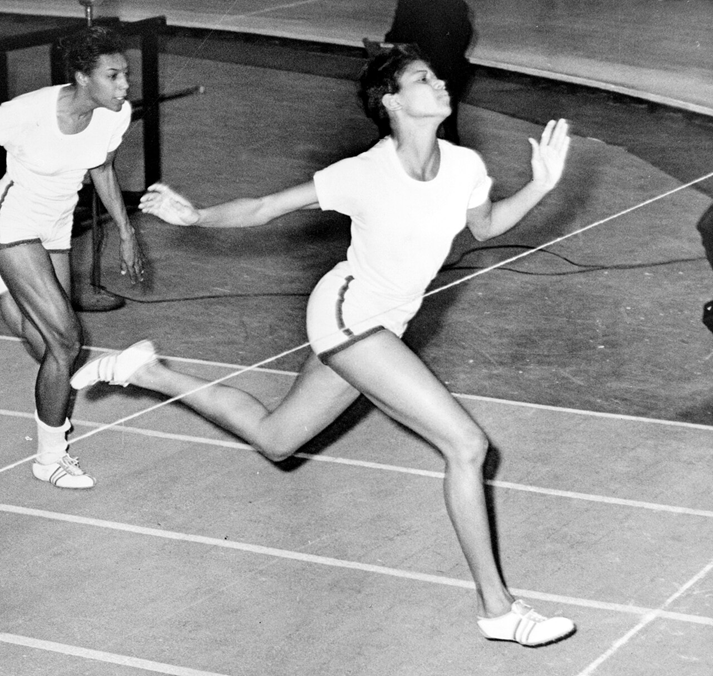
Track and Field: Wilma Rudolph
Wilma Rudolph grew up facing illness, poverty, and racial segregation. As a child, doctors told her she might never walk normally. She went on to become one of the fastest runners in the world.
At the 1960 Olympics, she won three gold medals. Her success challenged ideas about who could be an elite athlete, especially at a time when opportunities for Black women in sports were extremely limited.
Barrier Challenged: access and racial discrimination
Strategy Used: persistence and record-setting performance
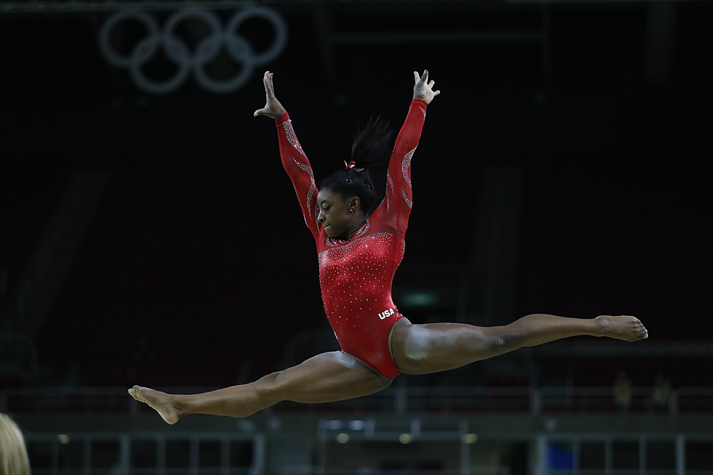
Gymnastics: Simone Biles
Gymnastics has long rewarded perfection and silence. Simone Biles changed that. She became one of the most decorated gymnasts in history by pushing the physical limits of the sport.
She also made headlines for prioritizing athlete safety and mental health during major competitions. Her choices sparked conversations across sports about pressure, well-being, and long-term success.
Barrier Challenged: expectations and athlete autonomy
Strategy Used: redefining excellence and setting boundaries
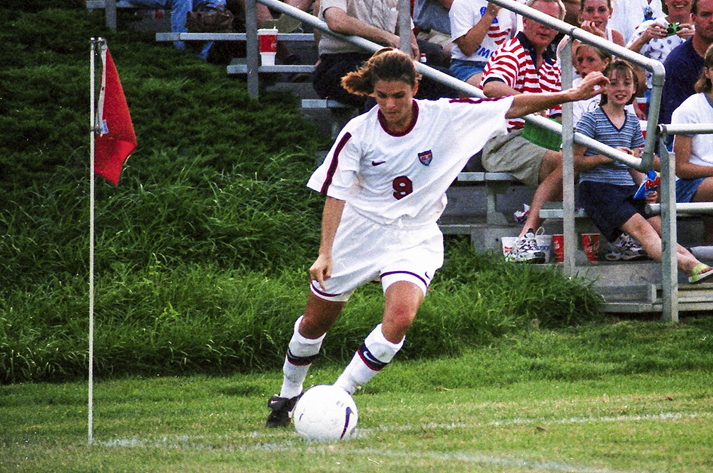
Soccer: Mia Hamm
For years, women’s soccer received little funding, media coverage, or respect. Mia Hamm helped change that by becoming one of the most skilled and recognizable players in the world during the 1990s.
Her performances drew fans, sponsors, and attention to the U.S. Women’s National Team. Increased interest helped expand youth programs and professional opportunities for future players.
Barrier Challenged: funding and visibility
Strategy Used: consistency, teamwork, and public engagement
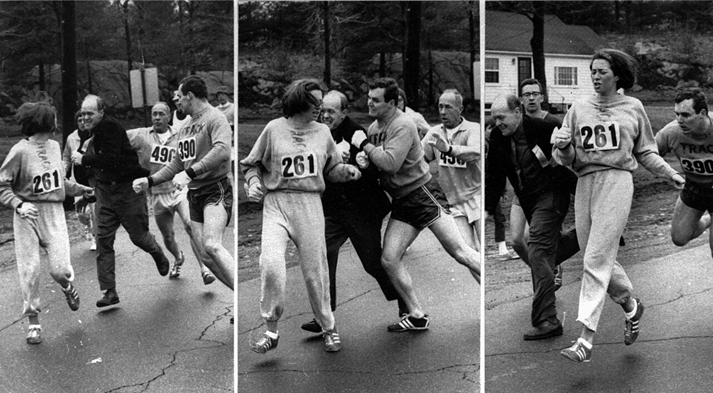
Running: Kathrine Switzer
In 1967, women were officially barred from running the Boston Marathon. Kathrine Switzer registered using her initials and ran anyway. Race officials tried to physically remove her mid-race, but she finished.
That moment exposed the unfairness of the rule. Women officially gained entry to the Boston Marathon five years later.
Barrier Challenged: formal rules
Strategy Used: direct challenge and endurance
Patterns Across the Stories
These athletes competed in different sports and decades, but clear patterns emerge:
Change did not come from one moment. It came from repeated effort.
Skill mattered. None of these athletes relied on words alone.
Visibility accelerated progress. Public success forced conversations.
Barriers shifted over time, but resistance remained.
Progress in sports has never moved in a straight line. Each generation inherits a field shaped by the last—and pushes it further.

Looking Ahead
Sports today offer more opportunities for girls than ever before, but those opportunities exist because someone challenged unfair limits before you were born. Understanding that history helps explain why fairness matters and why progress requires effort.
In the Got It? section, you will move from learning these stories to practicing how to analyze barriers, strategies, and outcomes across different athletes.

Supplies





 FAVORITE
 Like
Like