Sign Up
School Account Sign Up

Lesson ID: 10842
Celebrate Mexico’s lively culture through its music, food, art, and traditions—and discover how the past still shapes life today.




As you read, enjoy the sounds of traditional Mexican music in the background—guitars strumming, trumpets shining, and drums pulsing to the rhythm of centuries of celebration.

Culture in Color
Close your eyes and imagine walking through a Mexican marketplace. The air smells of sizzling tortillas, the sound of mariachi fills the plaza, and stalls overflow with vibrant crafts—bright suns, embroidered blouses, and pottery painted in fiery reds and ocean blues.
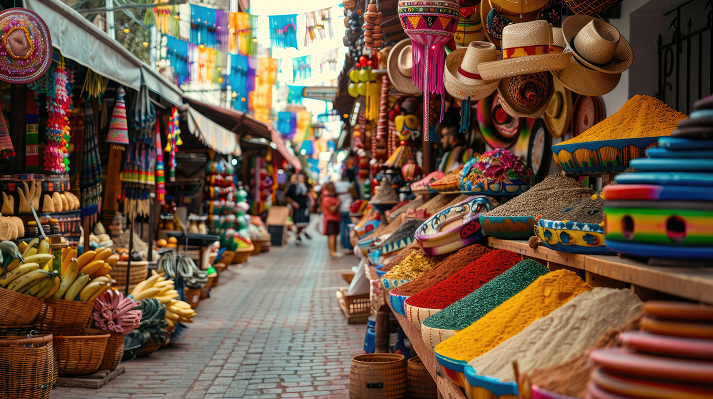
Every sight, sound, and flavor tells a story about the people who made them.
Mexico’s culture is one of the richest and most diverse in the world. Its traditions blend ancient Indigenous roots, Spanish influence, and global connections into something uniquely Mexican.
Over 130 million people call Mexico home, representing more than 65 Indigenous groups—each with its own languages, customs, and celebrations.
The Heart of Daily Life
Life in Mexico can look different depending on where you live.
Many students attend school in two shifts—one in the morning and one in the afternoon—and wear uniforms just like students in other parts of the world. Every Monday, schools across Mexico begin with the national anthem, “Himno Nacional Mexicano,” a tradition that celebrates unity and pride.
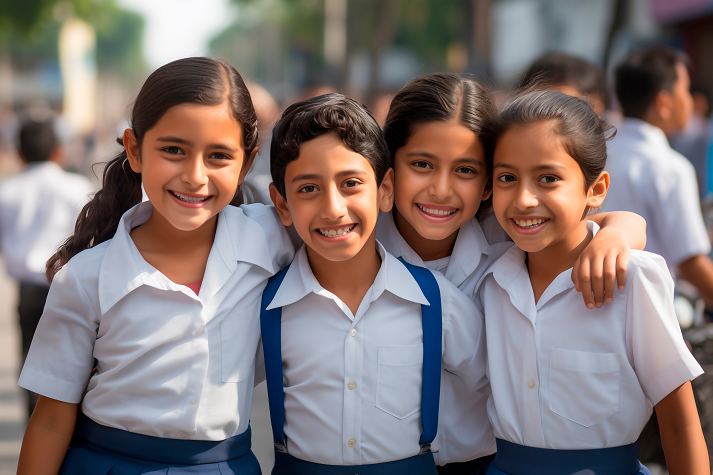
Family is at the center of Mexican life. Homes often include not just parents and children but grandparents, aunts, uncles, and cousins—a big, supportive network where traditions are shared and laughter is plenty.
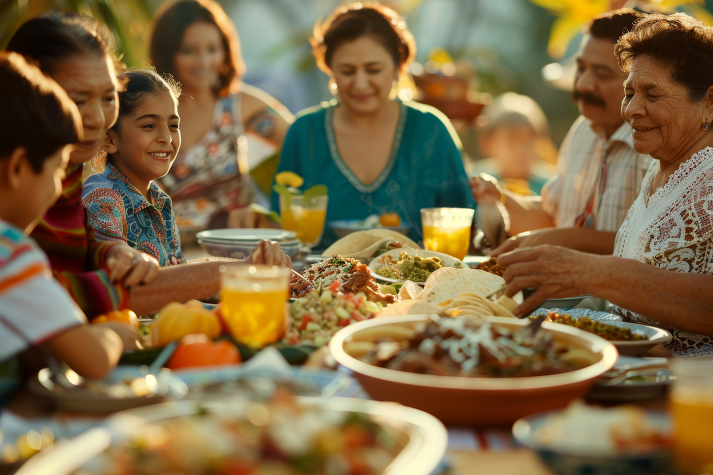
When the school day ends, play begins! Children play soccer, Lotería (a picture-based game like bingo), or jump rope in the street. On weekends, families gather for meals or neighborhood fiestas—complete with food, dance, and music.
A Feast for the Senses
Mexican food isn’t just tasty—it’s a form of history. Classic dishes like tamales, mole, and tacos combine ingredients from ancient Indigenous farming with spices and cooking techniques brought by the Spanish.
Tamales are corn dough stuffed with meats, cheese, or sweet fillings, wrapped in husks, and steamed to perfection.
Mole, one of Mexico’s most famous sauces, can contain up to 20 ingredients, including chili peppers, nuts, and chocolate!
And of course, tacos—a delicious creation that has traveled the world—began right here.
Cooking and eating together is one of the ways Mexican families pass down traditions and keep their culture strong.
Faith and Festivity
Religion and celebration are tightly woven into Mexican life. Most Mexicans practice Roman Catholicism, introduced by the Spanish hundreds of years ago.
However, Mexican faith and festivals are full of Indigenous influences, creating holidays that honor both the past and the present.
Below are some of Mexico’s most famous holidays.
Día de los Muertos (Day of the Dead): A colorful celebration where families honor loved ones who have passed away by decorating altars with flowers, candles, and food.
Cinco de Mayo: A day marking a historic victory against France at the Battle of Puebla, celebrated with parades, dancing, and food.
Las Posadas: A joyful festival leading up to Christmas, featuring songs, candlelight processions, and piñatas.
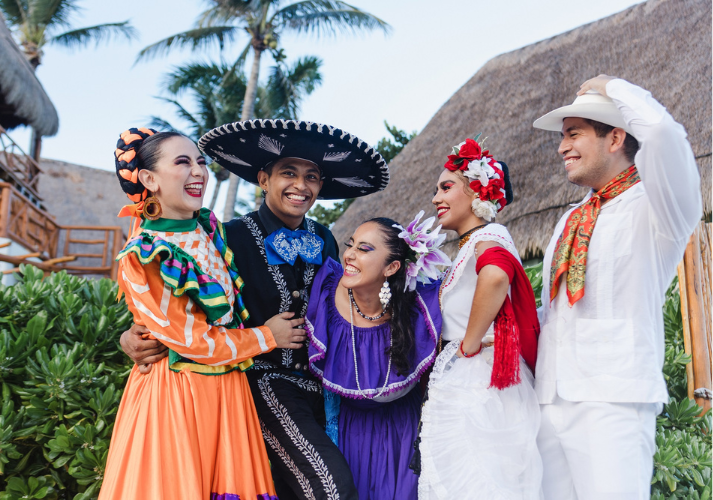
Guelaguetza: A vibrant summer festival in Oaxaca celebrating Indigenous heritage through dance, music, and traditional dress.
Every fiesta is alive with music, dance, and color—proof that joy and history can exist side by side.
The Art of Everyday Life
From murals and mosaics to handmade crafts, Mexican art tells the story of resilience and creativity.
Folk art—often made by untrained artists—celebrates local identity and nature. Brightly painted suns, carved animals, and embroidered flowers are found in homes and marketplaces across the country.
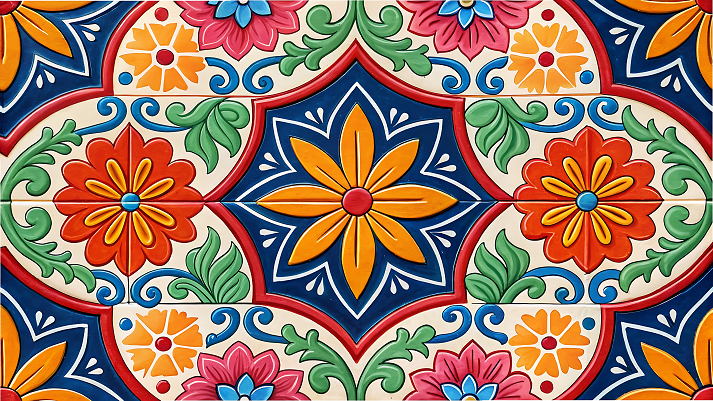
Modern Mexican art, too, has changed the world. Artists, such as Frida Kahlo and Diego Rivera, used their paintings and murals to tell stories about identity, equality, and the beauty of everyday life.
The Language of Music and Dance
Music is at the heart of Mexico’s soul. Traditional styles, such as mariachi, ranchera, and norteño, carry stories of love, pride, and perseverance.
The guitar, violin, and trumpet lead the sound, while voices rise in harmony.
And when the music starts—no one sits still!
From traditional folk dances to modern pop, movement is a language everyone speaks.
Mexico’s Many Voices
Spanish is the main language, but Mexico is home to more than 60 Indigenous languages, including Náhuatl and Maya, spoken by millions.
This mix of languages, traditions, and beliefs makes Mexico’s culture not just one thing—but many things, united by pride.
A Living Mosaic
Every piece of Mexico’s culture—its food, its songs, its faith, its people—is like a tile in a colorful mosaic. Together, they form a picture of joy, unity, and tradition that has endured for thousands of years.
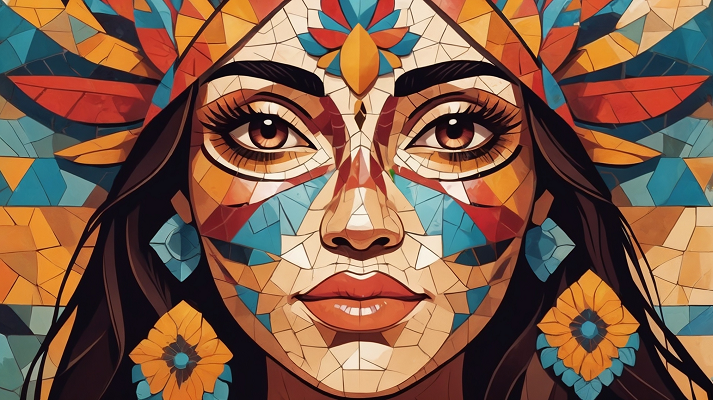
You’ve explored the sounds, sights, and stories of Mexico’s culture. Now, it’s your turn to see what you remember and how much of Mexico’s rhythm you can feel.
In the Got It? section, you’ll test your knowledge and creativity with activities that celebrate what makes this culture so vibrant!

Supplies
Additional Resources


 FAVORITE
 Like
Like