Sign Up
School Account Sign Up

Lesson ID: 14380
Discover how Lin-Manuel Miranda connected with Alexander Hamilton’s immigrant story and reshaped Broadway. Explore identity, representation, and create projects that tell new stories.




The Revolution, Remixed
Picture the Founding Fathers.
Now picture them rapping, dancing, and dropping rhymes about revolution on a Broadway stage filled with actors of color. That’s Hamilton—a musical that didn’t just retell history, it reimagined it.
The man behind it, Lin-Manuel Miranda, grew up in New York City, the son of Puerto Rican parents. He loved hip-hop, theater, and stories about people chasing big dreams.
When he read about Alexander Hamilton—an immigrant who rose from nothing to shape America—Miranda saw more than just history. He saw himself.
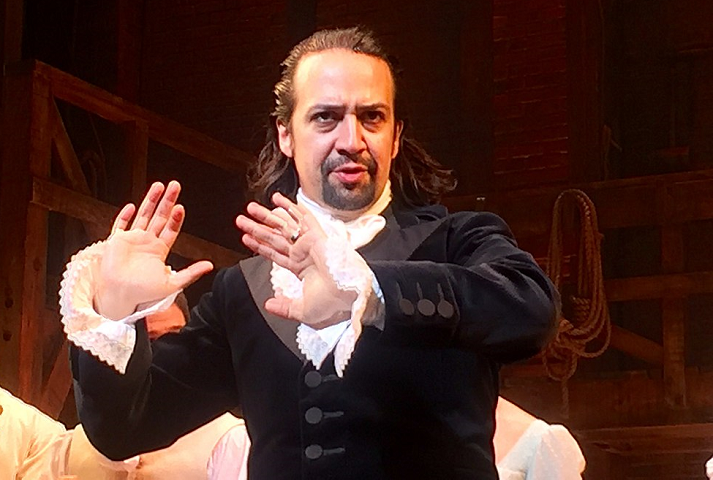
The Immigrant Connection
Alexander Hamilton came from the Caribbean with no wealth, no family name, and no safety net. What he had were words—he wrote his way into power, influence, and the story of a nation.
To Lin-Manuel Miranda, that was the ultimate immigrant story: someone from the outside carving out a place in America through talent and determination.
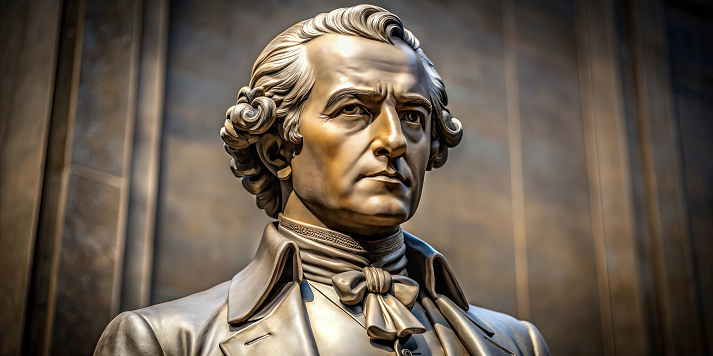
Miranda once described Hamilton as the “proto-immigrant story,” the earliest example of the American dream in action.
For him, it wasn’t about making history “look cool.” It was about holding up a mirror to his own life as a Puerto Rican-American and saying, This story is mine too.
Casting the Future of America
Miranda didn’t stop at writing songs. He changed the very faces telling the story.
Instead of an all-white cast dressed like museum mannequins, Hamilton used a mostly Black and Latinx cast to portray the Founding Fathers. This wasn’t just artistic—it was political. It had strong messages.
America was built by immigrants.
The story of America belongs to everyone.
People of color deserve to see themselves at the center of the nation’s story.
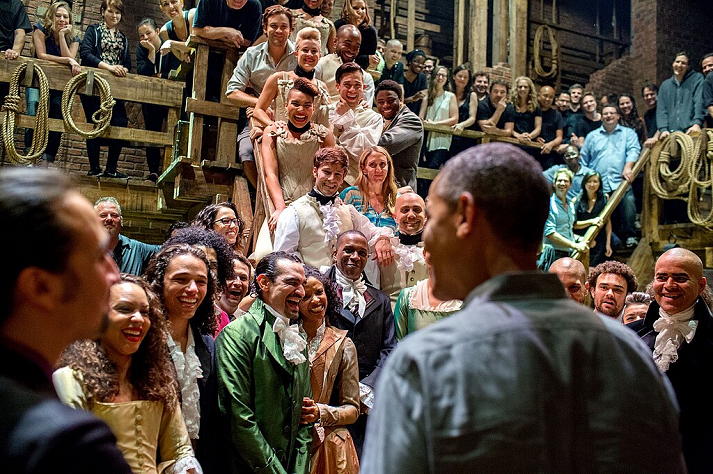
Broadway had long been dominated by white actors and white stories. Miranda’s casting choice opened space for new voices, making Hamilton not just a show, but a statement about identity and belonging in modern America.
Why Hamilton Exploded
When Hamilton hit the stage in 2015, it didn’t just succeed—it changed Broadway forever. It smashed box office records, won a Pulitzer Prize, and sparked debates about race, history, and who has the right to tell America’s story.
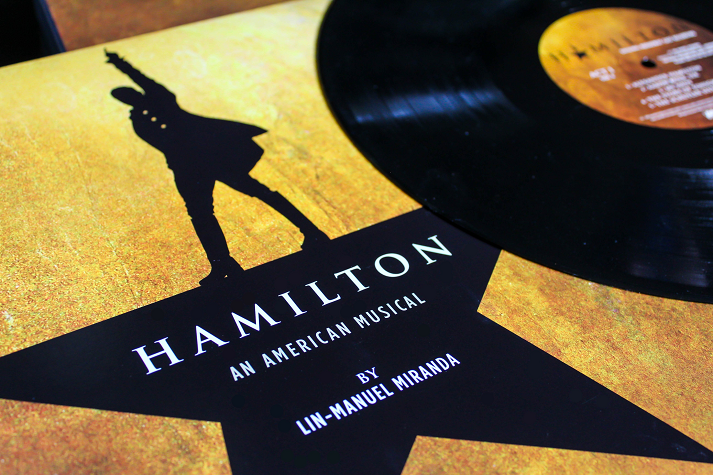
High school students memorized the lyrics, teachers used it in history classes, and politicians quoted it.
Because the themes hit home.
Immigration: A story of someone rising from the margins.
Representation: Seeing diverse actors in roles that once excluded them.
Identity: Recognizing yourself in a story that once felt distant.
Struggle & Dreaming Big: Proof that hard work and talent can rewrite destiny.
Beyond Entertainment
Miranda insists that Hamilton isn’t “about Hispanics,” but it carries the heartbeat of his Puerto Rican identity. It’s proof that art isn’t just for entertainment—it’s a way to reclaim history, redefine identity, and inspire the future.
For Hispanic and Latino communities, the show was a moment of recognition: their stories, voices, and rhythms on the biggest stage in the country.
For everyone else, it was an invitation to rethink what America looks like—and who gets to belong.
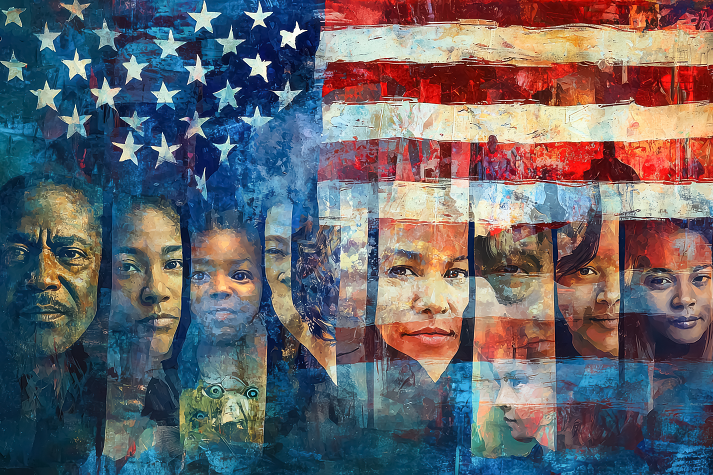
Your Turn to Reflect
You’ve explored why Lin-Manuel Miranda saw himself in Alexander Hamilton, how Hamilton broke barriers in casting and storytelling, and why it became a cultural phenomenon.
This isn’t just about theater—it’s about identity, voice, and who tells the story of America.
In the Got It? section, you’ll test what you’ve learned and start to connect these ideas to your own understanding of culture, representation, and history.

Supplies


 FAVORITE
 Like
Like