Sign Up
School Account Sign Up

Lesson ID: 14381
Discover how slang—from “groovy” to “6-7”—keeps language fresh, fun, and full of personality!




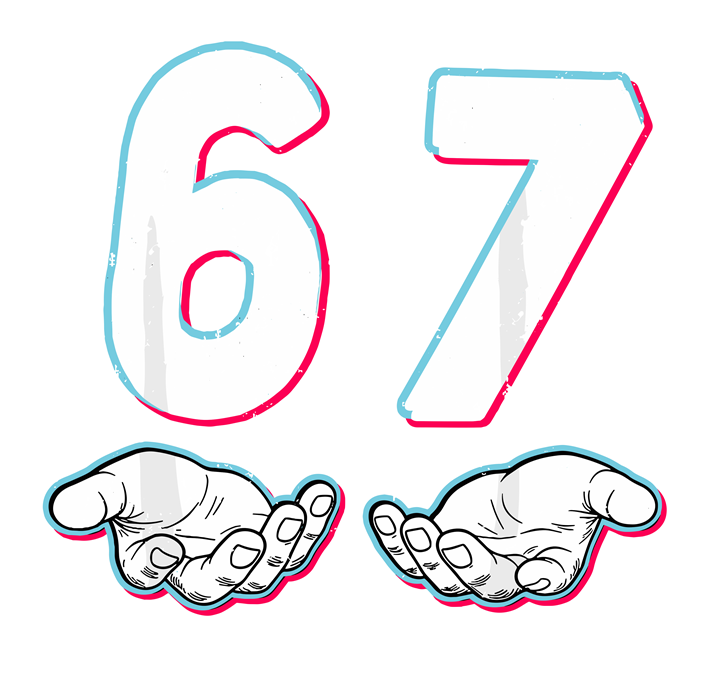
“6-7!” Wait… What?!
You’re walking down the hall when someone yells, “6-7!” A few others burst out laughing. You blink.
Nope—it’s slang. “6-7” doesn’t actually mean anything. It started from a rap song by an artist named Skrilla and spread across TikTok, Roblox, and middle schools like wildfire. Kids began shouting it for no reason other than… it was funny.
“6-7” works because it means nothing—and that’s kind of the point. When everyone’s in on the joke, nonsense becomes belonging.
But “6-7” isn’t new in spirit. Every generation has had its version—strange words or phrases that adults don’t get and teens claim as their own.
That’s the beauty of slang: it’s living, changing proof that language has personality.
What Is Slang, Anyway?
Slang is the rebel cousin of regular language. It breaks rules, bends meanings, and reinvents words just for fun—or for identity.
It’s the difference between saying “I am very excited” and “I’m hyped!”
Think of slang as language on fast-forward. It moves quickly, constantly remixing itself. Sometimes slang starts in one community—like hip-hop culture or gaming—and spreads worldwide. Other times, it’s born from internet memes or inside jokes.
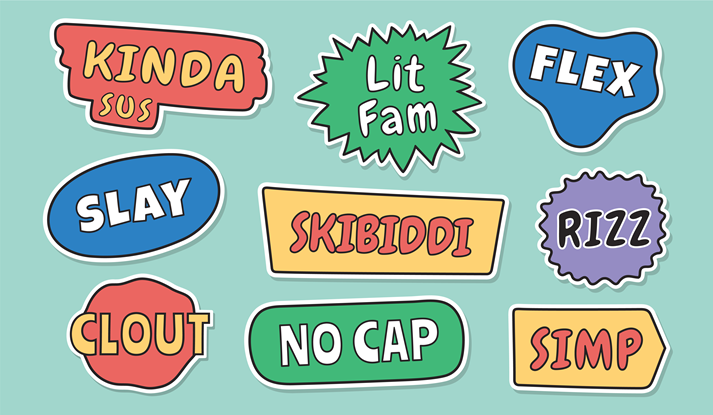
Take “skibidi” or “rizz.” Like “6-7,” they started online, sounded ridiculous, and became social passwords for people “in the know.”
Linguists call this process semantic bleaching—when words lose their original meaning and become just signals of tone, attitude, or group identity. “6-7” is a prime example: it doesn’t stand for anything specific, yet it shouts, I get it. I’m part of this moment.
Why Do People Use Slang?
Humans love belonging. Slang is a shortcut to connection—it tells others, you’re one of us. Saying “6-7” is like giving a verbal high-five to your generation.
But slang also serves other roles.
It’s creative. People invent slang to play with language and make it feel new again.
It’s protective. Sometimes slang lets you talk in code around people who don’t get it.
It’s expressive. Slang can exaggerate emotions, add humor, or soften a serious idea.
From “groovy” in the 1960s to “lit” in the 2010s, slang reflects what’s cool, funny, or meaningful at the time. Even adults have slang—they just forget that words like “cool,” “dude,” and “awesome” were once the “6-7” of their day.
The Life Cycle of a Slang Word
Slang words have short lives—like fireworks, they burn bright and fade fast. Here’s how the cycle usually goes.
Invention – Someone coins a new word or phrase, often online or in music.
Adoption – It spreads through social media or friend groups.
Explosion – Everyone’s saying it. Teachers roll their eyes. Parents try to use it (badly).
Extinction – Once adults catch on, kids move on.
That’s probably where “6-7” is headed. It’ll likely end up in the “slang graveyard” soon—replaced by whatever Gen Alpha dreams up next.
But even if slang fades, it matters. It’s how language evolves. Yesterday’s slang becomes today’s vocabulary.
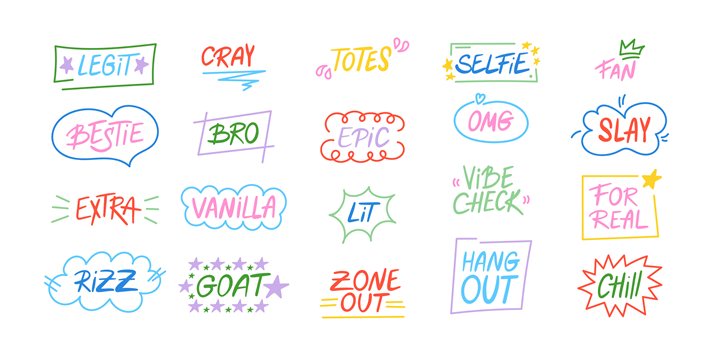
“Selfie,” “hangout,” and “chill” all started as slang before dictionaries accepted them as real words.
Why Slang Is Actually Kind of Brilliant
Here’s a secret: slang is one of the best ways to study culture. Each generation invents new words to express who they are and what they care about.
It’s a creative fingerprint—proof that language belongs to everyone, not just grammar books.
Slang shows us that English isn’t fixed—it’s alive, flexible, and full of imagination. Whether it’s “6-7,” “no cap,” or “bet,” these words remind us that communication is as much about connection as meaning.
So, next time you hear someone shout “6-7,” remember: you’re witnessing a living piece of linguistic history… even if it sounds completely ridiculous.
Up next: try out your slang skills and see how well you can spot which words are here to stay—and which are headed for extinction.

Supplies


 FAVORITE
 Like
Like