Sign Up
School Account Sign Up

Lesson ID: 13198
Get ready to vote! Learn who can vote, how the process works, and why it matters—then try out a project to show what you know.





Find out in this lesson!
What Is Voting?
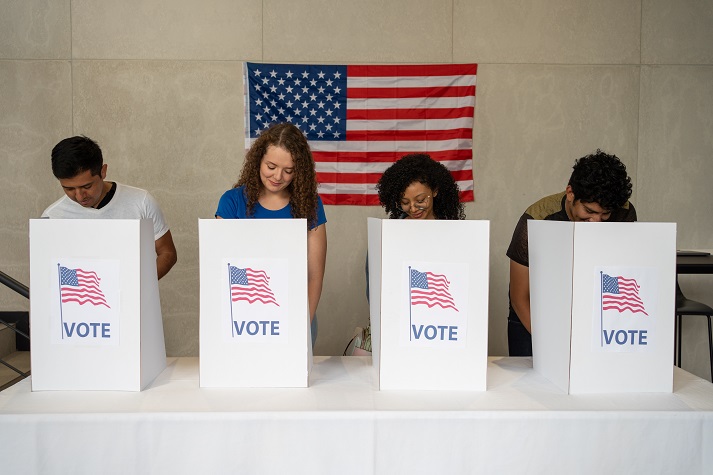
To vote in an election means to make an official choice between candidates or issues, usually by casting a ballot. In the United States, this fundamental right is how citizens help shape their government and future.
The nation’s founders considered voting essential to liberty. As the Declaration of Independence states:
“Governments are instituted among Men, deriving their just powers from the consent of the governed.”
This means leaders in the U.S. government are granted power by the people through voting. But while the idea was foundational, the right to vote was not always guaranteed to everyone.

A History of the Right to Vote
Early Voting Laws
When the United States was formed, only white men who owned property could vote. Slowly, property requirements were dropped, allowing most white men to vote by the mid-1800s.
However, many others—African Americans, women, Native Americans, and young people—had to fight long and hard for this same right.
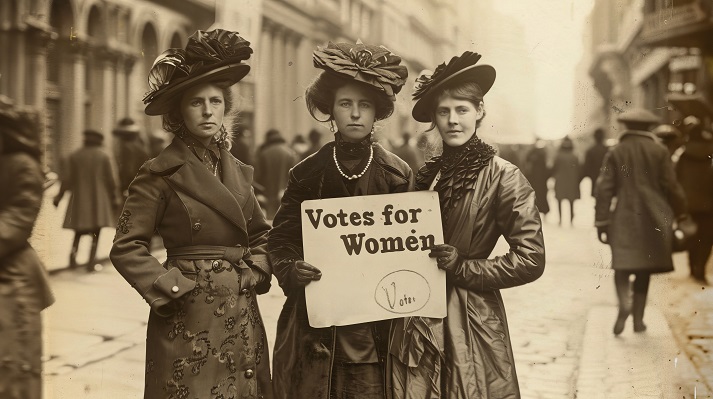
Fighting for Women's Suffrage
In 1848, the Seneca Falls Convention marked the beginning of the women’s suffrage movement. Leaders like Elizabeth Cady Stanton and Susan B. Anthony organized marches, gave speeches, and demanded change.
After more than 70 years of activism, the 19th Amendment was passed in 1920, granting women the constitutional right to vote
The African American Struggle
The 14th and 15th Amendments (passed after the Civil War) granted citizenship and voting rights to African American men. However, state laws, literacy tests, poll taxes, and intimidation were used to prevent many Black Americans from voting.
It wasn’t until the Voting Rights Act of 1965 that many of these unfair practices were outlawed
Native American Voting Rights
Although Native Americans were the first self-governing peoples in North America, they were not recognized as U.S. citizens until 1924. Even after that, many states continued to deny them the vote using discriminatory laws, especially against those living on reservations
Lowering the Voting Age
During the Vietnam War era, Americans questioned why 18-year-olds were old enough to be drafted for war but not to vote. In 1971, the 26th Amendment lowered the voting age from 21 to 18 nationwide
Who Can Vote Today?
Today, any U.S. citizen age 18 or older has the right to vote in elections. However, some states have rules that can limit that right.
For example, individuals with felony convictions may lose their voting rights temporarily or permanently, depending on the state. And U.S. territories like Puerto Rico and Guam don’t have voting representation in Congress and can't vote in presidential elections
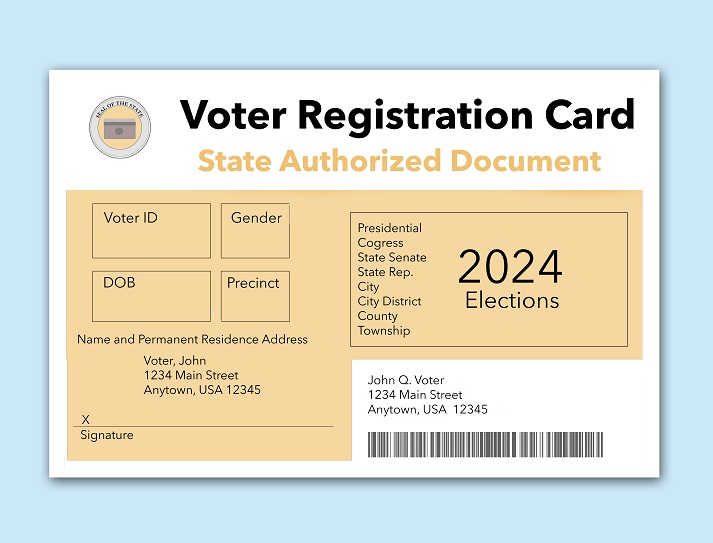
Voter ID laws also vary by state. Some states require government-issued photo IDs, while others allow alternative forms of identification like utility bills or student IDs.
How to Vote: Step-by-Step
Before you cast your ballot, make sure you're ready. Here's what you need to do.
Mark the election date on your calendar and verify that you’re registered to vote. You should also confirm the location of your polling place and its hours of operation.
If you’ll be voting during school or work hours, inform your teacher or employer in advance. Voting can take time, so planning ahead can help avoid stress.
Requirements vary by state. You may need a driver's license, passport, voter registration card, or even documents like a utility bill. Be sure to check your state’s rules before election day.
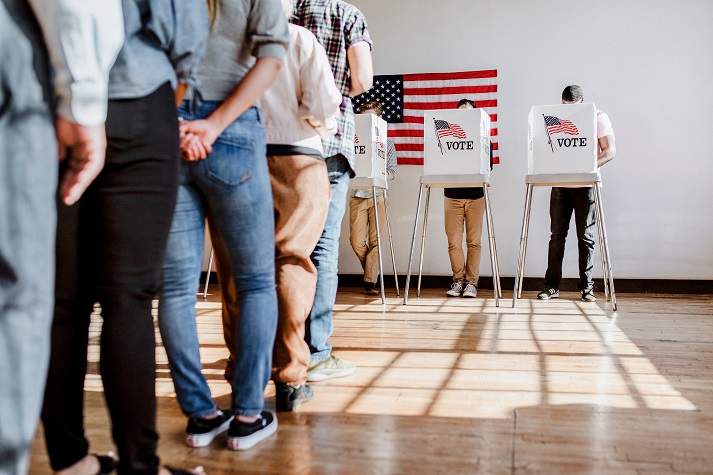
Lines can be long—especially early in the morning or at the end of the day. Bring a book, a playlist, or anything to help pass the time.
Voting methods differ. You might use a paper ballot, an electronic machine, or something else. If you're unsure how it works, ask a volunteer—they’re there to help.
Once you're checked in, step into the booth, fill out your ballot, and submit it. That’s it—you’ve officially made your voice heard!
Fun Fact: In the 2000 presidential election, only 55% of eligible Americans voted. Every vote truly does count!
Now that you know who can vote, how they vote, and what it took to earn that right, head to the Got It? section to practice!

Supplies


 FAVORITE
 Like
Like