Sign Up
School Account Sign Up

Lesson ID: 10802
Travel through Panama, the bridge of the Americas! Explore its canal, wildlife, and vibrant culture.




The Crossroads of the World
Imagine standing in a place where you can watch the sun rise over the Pacific Ocean and set over the Atlantic Ocean in the same day.
Welcome to Panama, the slim, S-shaped country that bridges North and South America.
Though it’s about the size of South Carolina. Panama has played a huge role in history, trade, and nature. It’s more than just a canal—it’s a crossroads of the world.
The Land Between Two Seas
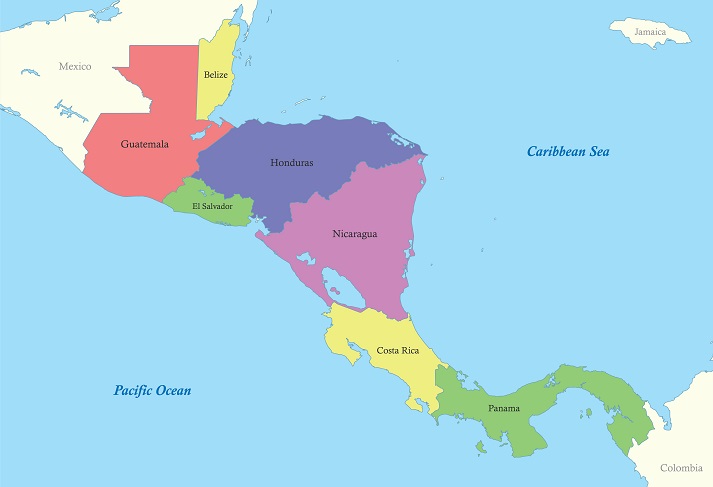
Panama is an isthmus, which means a narrow strip of land connecting two larger landmasses.
It links North and South America and is bordered by Costa Rica to the west and Colombia to the east. To its north lies the Caribbean Sea, and to the south, the Pacific Ocean.
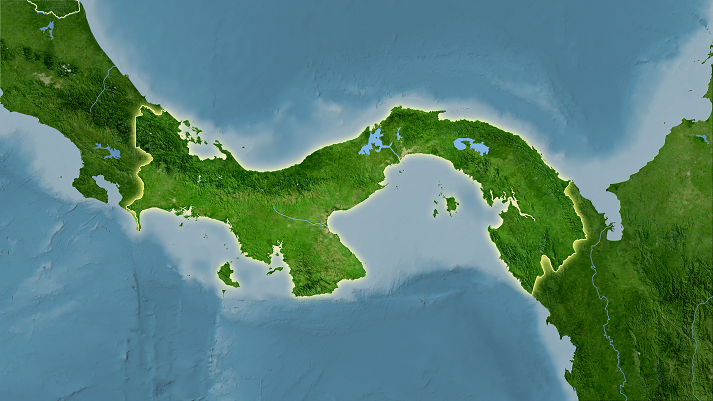
The country has mountains, rainforests, beaches, mangroves, and over 1,000 islands. Its tropical climate brings a wet season (May–November) and a dry season (December–April).
About 4 million people live here, with Spanish as the official language.
The Panama Canal: A Shortcut That Changed the World
If you’ve heard of Panama, you’ve probably heard of the Panama Canal.
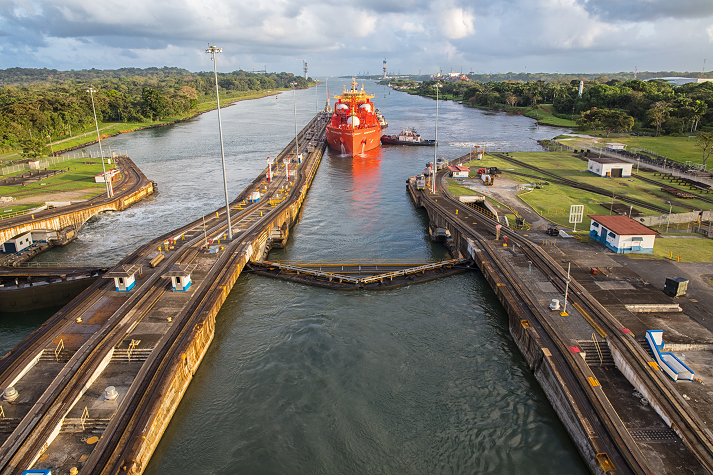
Built by the U.S. between 1904 and 1914, this man-made waterway cut across the isthmus, letting ships travel between the Atlantic and Pacific without sailing all the way around South America.
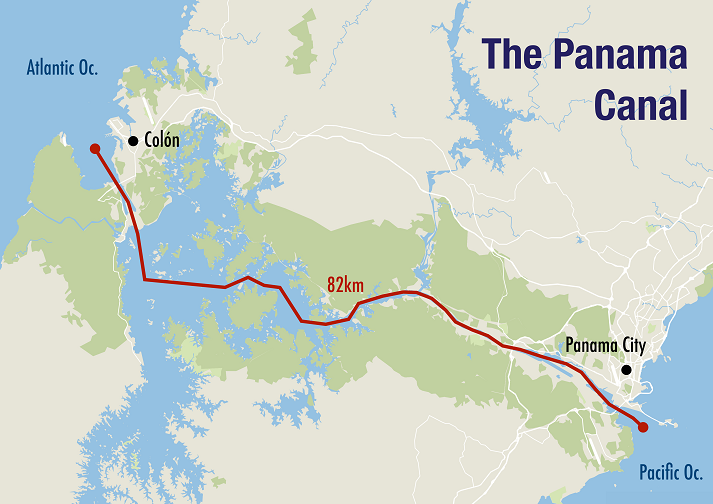
The canal is 82 kilometers (51 miles) long and uses a system of locks that raise and lower ships like an aquatic elevator. It saves ships about 13,000 miles of travel.
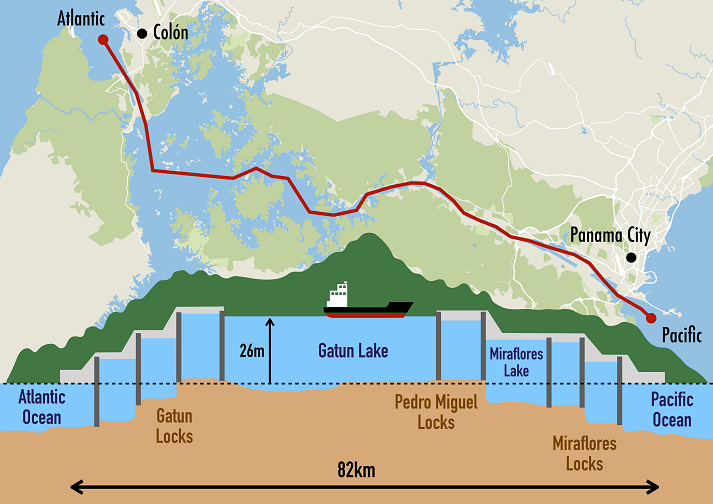
Today, about 35–40 ships pass through daily. Panama took full control of the canal in 1999, and an expansion in 2016 made it possible for giant ships to pass.
People and Culture
Panama is a melting pot of cultures.
Its people come from Spanish, African, indigenous, and immigrant roots. Three major indigenous groups—the Guna, Emberá, and Ngöbe-Buglé—still live in traditional communities.
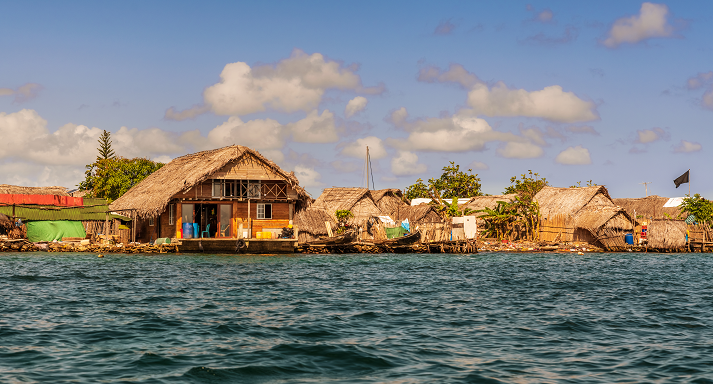
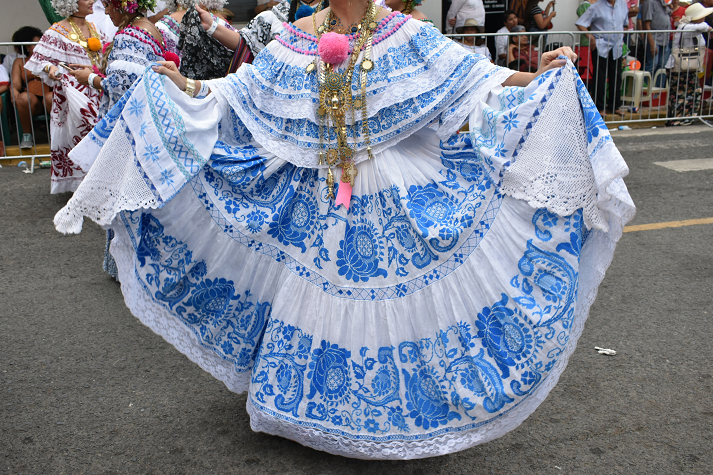
Colorful clothing like the pollera, a hand-embroidered dress, and the mola, a layered fabric art made by Guna women, reflect Panama’s creativity.
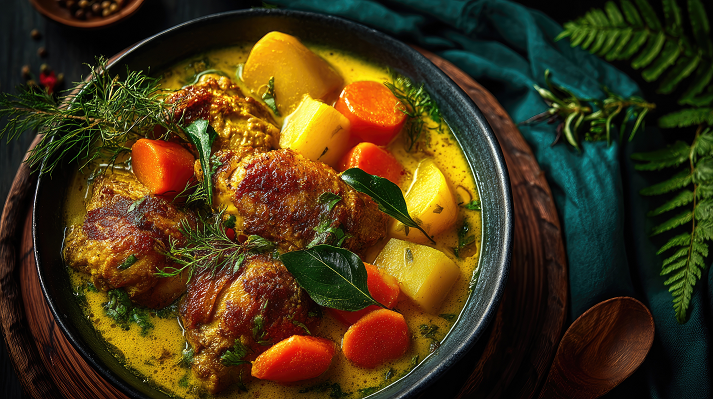
Baseball is the most popular sport, and traditional foods include sancocho, a chicken and cassava soup, often enjoyed with rice.
Nature in the Crossroads
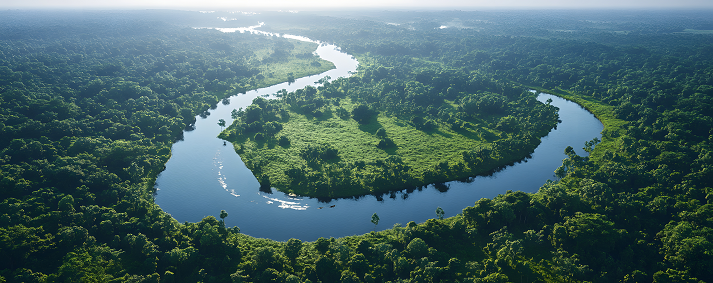
Panama is one of the most biodiverse countries on the planet. The Darién rainforest is thick with wildlife, although it is remote and difficult to cross.
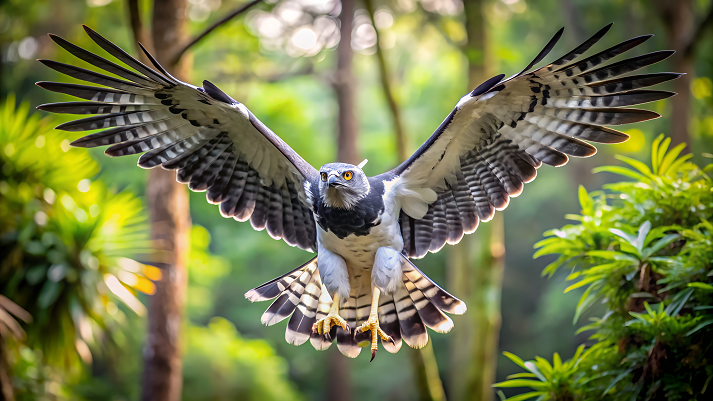
Panama has over 986 bird species, more than the continental U.S.! The harpy eagle, one of the largest and most powerful eagles in the world, is the national bird.
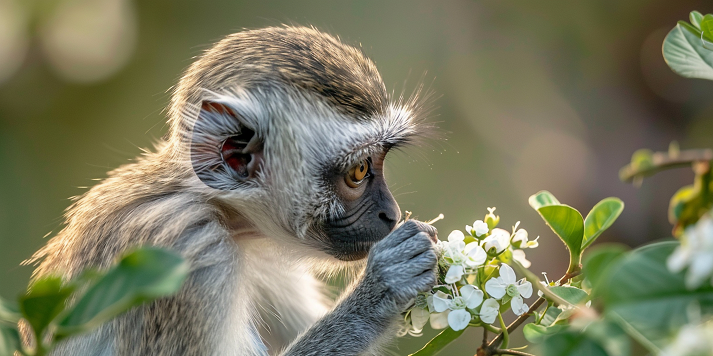
Jaguars, sloths, monkeys, iguanas, and unique golden frogs also call Panama home.
Fascinating Facts
Panama is the only place where you can see the Pacific sunrise and Atlantic sunset from one spot—Volcán Barú.
A stamp once convinced U.S. senators to choose Panama, not Nicaragua, as the site for the canal.
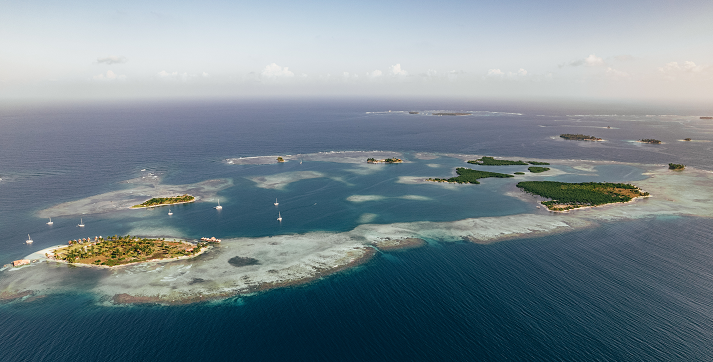
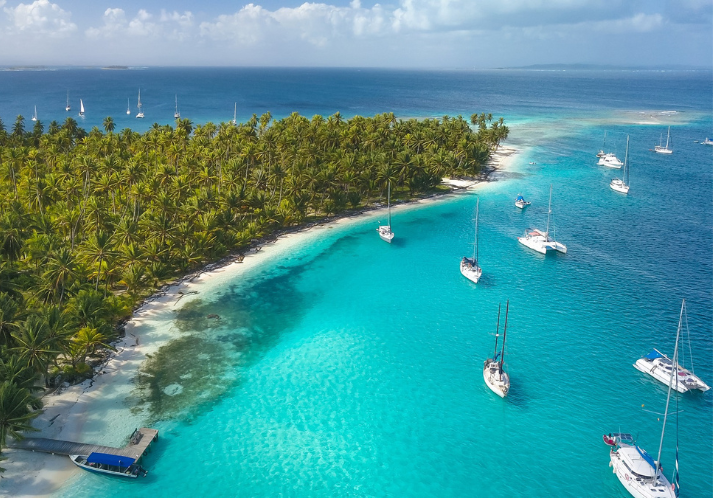
The San Blas Islands have 365 islands—one for every day of the year.
Panama’s currency, the balboa, is tied to the U.S. dollar, and both are used.
A Country That Connects the World
Panama may be small, but it has global importance. Its land connects continents, its canal connects oceans, and its people connect traditions from around the world.
From ancient indigenous communities to international trade, Panama proves that even a narrow strip of land can shape history.
Next Stop: Practice Time!
Now that you’ve explored Panama’s geography, history, culture, and natural wonders, it’s time to check what you’ve learned.
Head to the Got It? section for review, quizzes, and activities to bring Panama even closer to you.

Supplies




 FAVORITE
 Like
Like