Sign Up
School Account Sign Up

Lesson ID: 13071
Seasons change throughout the year, but not everywhere at the same time! Discover why it’s winter in July for some and summer in December for others.





Where you live in the world determines in which months you experience summer and winter. There are even places in the world where the seasons are not very different from each other and don't really change much at all!
In this lesson, you'll learn about why this happens. Let's go!
What’s Going On With the Seasons?
But here's the fun twist: In some parts of the world, winter happens in July, and summer happens in December!
Find out!
Hemispheres and Seasons
Our planet is split in half by an invisible line called the equator. This creates the Northern Hemisphere (top half) and the Southern Hemisphere (bottom half).
When it’s summer in the Northern Hemisphere, it’s winter in the Southern Hemisphere. And when it’s winter in the Northern Hemisphere, it’s summer down south.
Now, play detective! Think about a place like Australia.
Click on the correct hemisphere below.

What Actually Causes the Seasons?
Some people think we have summer when the earth is closer to the sun and winter when we’re farther away. But that’s not true!
In fact, the earth is closest to the sun in January, when it's winter in the Northern Hemisphere. Weird, right?
It’s all about the earth’s tilt.
Long ago, something big bumped into the earth and knocked it a bit sideways. Now, the earth spins around a tilted line called an axis as it orbits the Sun once every year.
That tilt makes all the difference.
When your hemisphere is tilted toward the sun, you get more direct sunlight. That makes it summer—hotter and with longer days.
When your hemisphere is tilted away from the sun, you get less direct sunlight. That makes it winter—cooler and with shorter days.

Try a flashlight trick.
Shine a flashlight straight down onto your desk. See the bright, focused circle? That’s like direct sunlight in summer.
Now tilt the flashlight. The light gets dimmer and spread out. That’s like indirect sunlight in winter.
What About Spring and Fall?
During spring and fall, the earth isn’t tilted toward or away from the sun. Both hemispheres get equal sunlight, so the temperatures are more even—not too hot, not too cold.
Places With No "Real" Seasons?
Now, think about a country like Kenya in Africa. It’s close to the equator.
In Kenya...
there’s no snow in winter.
leaves don’t change in fall.
they have rainy seasons and dry seasons, instead.
it stays pretty warm all year!
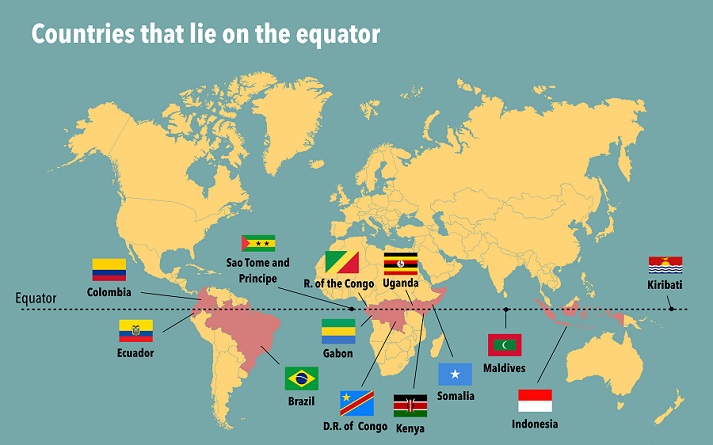
Because the sun shines on the equator almost the same way all year long. That means no big seasonal changes like in other places.
Quick Review Questions
If it’s summer in December, which hemisphere are you in?
Why do you think Kenya doesn’t have big seasonal changes?
What part of the earth gets the most direct sunlight all year long?
Now, that you’re a season sleuth, you’re ready for the Got it? section.
Let’s go!

Supplies





 FAVORITE
 Like
Like