Sign Up
School Account Sign Up

Lesson ID: 11650
Learn how viruses and bacteria cause disease, how to treat them, and what happens when microbes fight back.




Germ Wars: Who’s Winning?
You wake up with a sore throat, a fever, and chills.
Your doctor isn’t guessing. Behind every diagnosis is a hidden battle: not just between you and the germs, but between science and mutation, medicine and resistance. And the stakes are getting higher.
Every day, people around the world face illnesses caused by bacteria and viruses, but the more we fight back, the more they adapt.
In this lesson, you’ll become the detective: identifying the culprits, understanding the treatments, and staying one step ahead of microscopic enemies that never stop evolving.
What's Making You Sick?
Both bacteria and viruses are tiny, but the diseases they cause are anything but small. They spread differently, respond to different treatments, and affect the body in unique ways.
Break down how they work, how to fight them, and how the fight is changing.
Bacteria vs. Viruses: The Basics
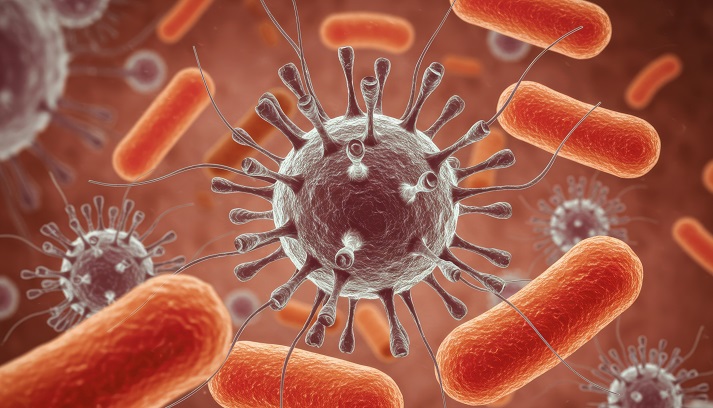
Bacteria are living, single-celled organisms. Some are harmless—or even helpful. Others cause diseases like strep throat, tuberculosis, and food poisoning.
Viruses are not alive in the traditional sense. They invade your cells and hijack them to make more viruses. Think of illnesses like the flu, COVID-19, or chickenpox.
How To Fight Back
Antibiotics can kill or stop the growth of bacteria. They target bacterial structures or processes, but they don't work on viruses.
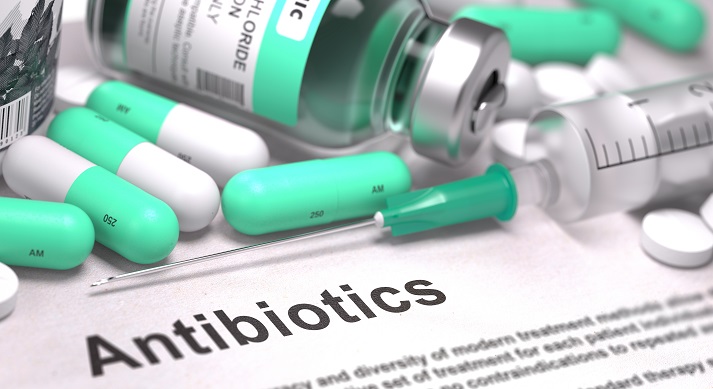
Antiviral medications can slow or block viruses in specific ways (e.g., stopping them from entering cells or copying themselves).
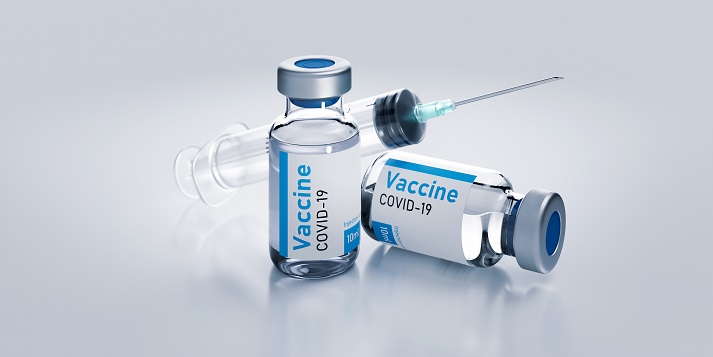
Vaccines prepare your immune system to fight specific bacteria or viruses before you get infected. They don't cure illness—they prevent it.
Mutation and Resistance
Bacteria and viruses mutate over time. This means their DNA or RNA changes, often at random.
Bacterial resistance happens when bacteria adapt to survive antibiotic treatment. The overuse or misuse of antibiotics exacerbates this issue.
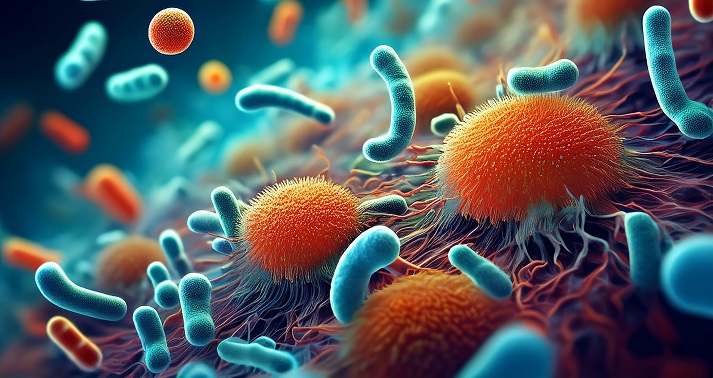
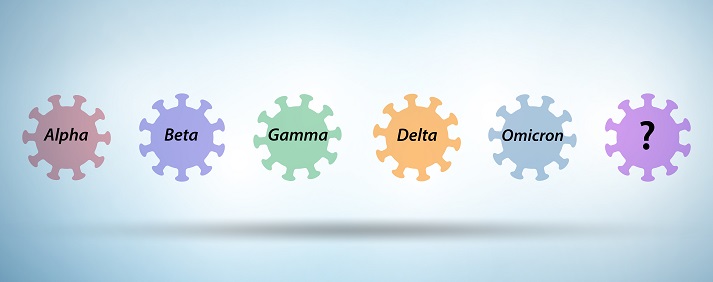
Viral mutations can lead to new strains—like the variants of the flu or COVID-19—making vaccines or treatments less effective.
Why It Matters
Diseases that were once treatable are becoming increasingly difficult to manage.
Doctors now have to think carefully before prescribing medication. Scientists are racing to develop new drugs. And everyday people—you included—have a role to play in using medicine wisely.
Head to the Got It? section to review what you've learned and see if you can tell the difference between helpful medicine, harmful misuse, and unstoppable mutation.

Supplies
Additional Resources


 FAVORITE
 Like
Like