Sign Up
School Account Sign Up

Lesson ID: 12815
Discover the tiny living things all around you! Learn how bacteria and fungi help our world stay clean, healthy, and full of life.




Tiny Worlds, Big Surprises
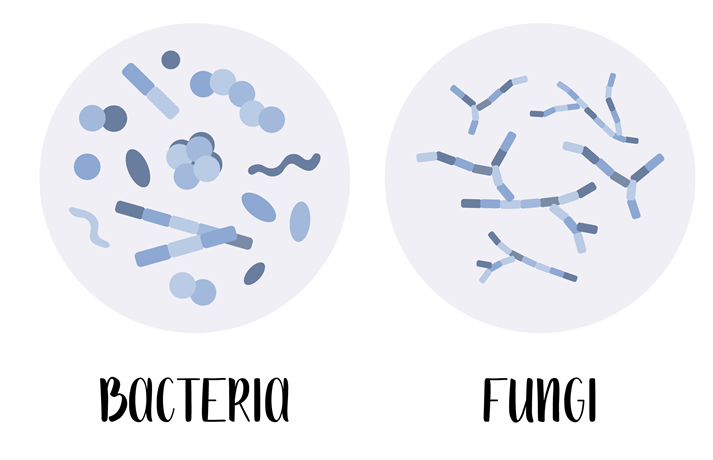
They’re called microorganisms, and two of the most common kinds are bacteria and fungi.
Don’t worry—they aren’t all bad! Some of them help us live, grow, and even make yummy foods.
Others are a little less friendly, so we have to stay clean and careful.
Meet the Micro-Helpers
Bacteria are tiny living things found almost everywhere—on your desk, your toothbrush, your skin, and even inside your body. There are good bacteria and bad bacteria.
Good bacteria help your body digest food and keep you healthy.
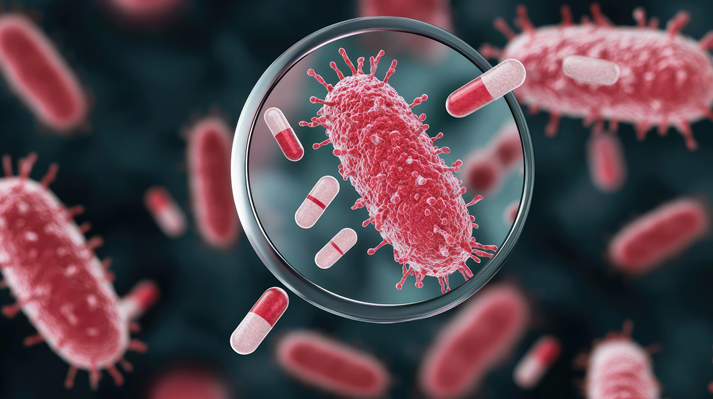
Bad bacteria can make you sick, which is why washing your hands and brushing your teeth are so important!
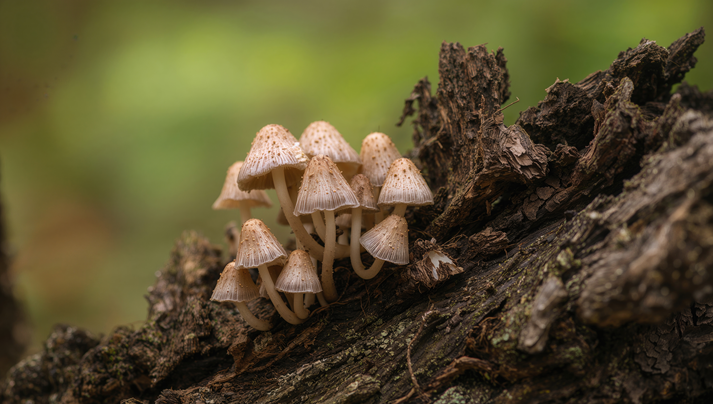
Fungi (say it like “fun-guy”) are another type of living thing that can be big—like mushrooms—or tiny, like mold.
They help break down old, dead things and turn them into nutrients for new life. Without fungi, the world would be a mess of old leaves and leftovers!
Where Are They Hiding?
Here’s the wild part: bacteria and fungi can live almost anywhere.
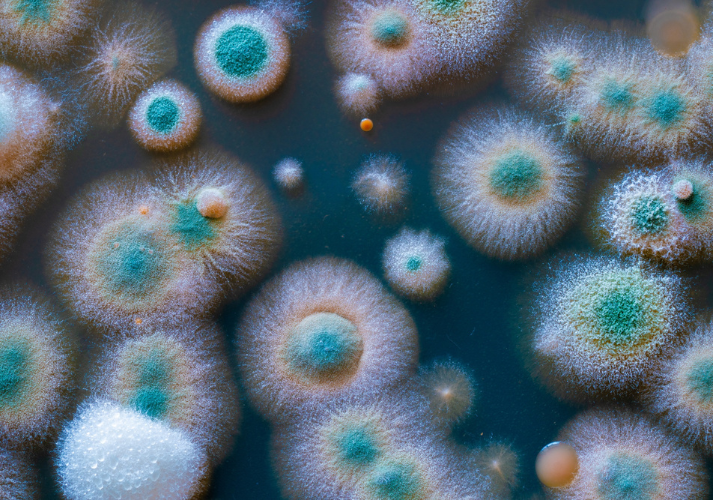
They like warm, damp places—like your kitchen sponge, your bathroom sink, or even inside your mouth! You can’t see them, but under a microscope, they look like colorful dots, blobs, and strings.
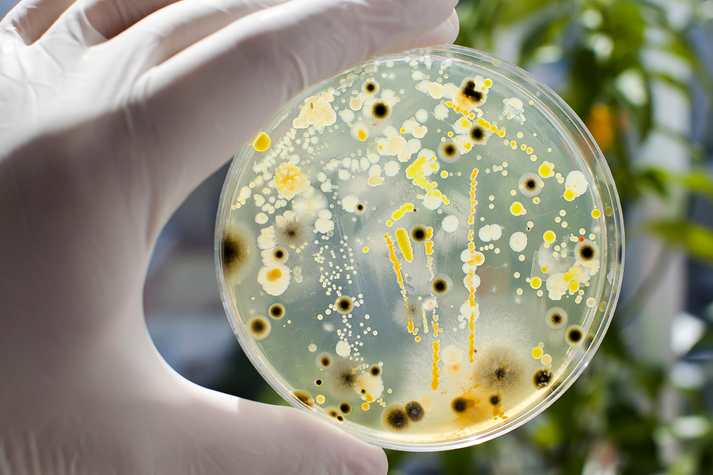
Scientists study bacteria and fungi to understand how they grow and how they help or harm us. Sometimes, scientists grow them in small round containers called petri dishes.
A petri dish holds a special gel called agar, which provides the microorganisms with food, allowing them to grow into visible colonies (tiny clumps of growth).
Experiment Time with Dr. Jo!
In the following video, Dr. Jo shows how to test for bacteria using a petri dish. She collects saliva from herself and a family member, then spreads each sample onto different halves of the dish using a clean stick.
After sealing it up and leaving it in a warm spot for a few days, she checks for growth.
Watch to find out!

Bacteria grew on her sample, but not as much on his sister Flo’s! This shows that bacteria live in many places—even inside your mouth.
It might sound gross, but it’s also amazing. These colonies prove how tiny life forms can live and multiply in places we’d never expect.
Why Scientists Study Bacteria and Fungi
Scientists who study microorganisms are called microbiologists. They help doctors understand how diseases spread and find ways to stop them.
They also discover how bacteria can clean water, help plants grow, and even make medicine like antibiotics.
Without these tiny life forms, many living things—including you—couldn’t survive!
Stay Clean, Stay Curious
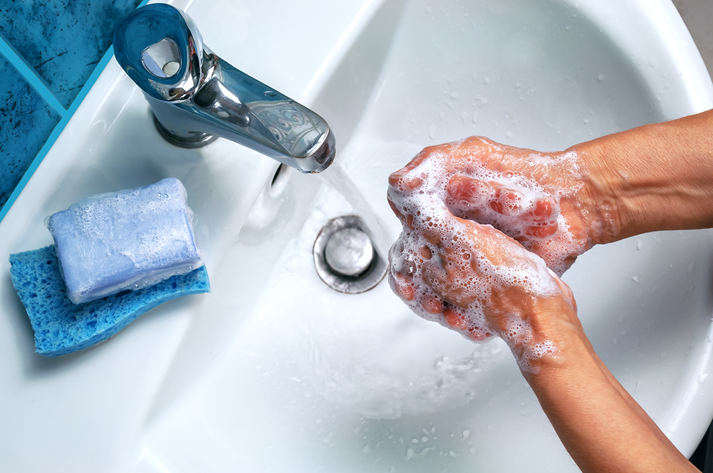
Even though bacteria and fungi can be found everywhere, most of them are harmless. Still, it’s smart to keep your hands clean before eating and after playing with pets or going outside.
Soap and water don’t just wash away dirt—they help remove unwanted bacteria, too!
From “Ew!” to “Wow!”
Tiny life might seem gross, but it’s also wonderful. These small organisms keep the earth clean, help your body stay strong, and make the world full of hidden surprises waiting to be explored.
Now It’s Your Turn!
You’ve learned that bacteria and fungi are everywhere—on you, around you, and helping the world in amazing ways.
In the Got It? section, you’ll get to explore where these tiny creatures might be hiding and test your knowledge with some fun science challenges!

Supplies


 FAVORITE
 Like
Like