Sign Up
School Account Sign Up

Lesson ID: 10909
Discover why bees matter, what’s hurting them, and how you can help—through songs, posters, and even silly bee dances!




What’s the Buzz About?
You can thank a bee for that!
These tiny insects may be small, but they’re mighty. They help grow many of the foods you love, from apples and almonds to watermelon and chocolate.
But bees are in trouble—and that could mean big trouble for us, too.
Dive into the hive!
Meet the Bee MVPs
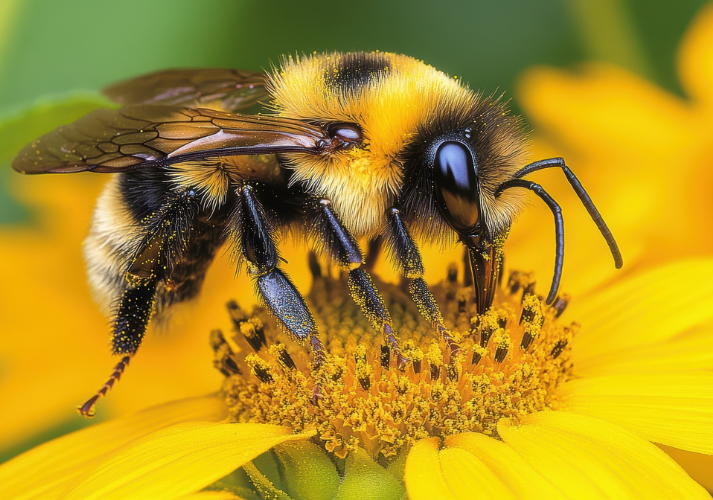
Bees do a lot more than buzz and sting. In fact, they’re some of the hardest-working creatures on the planet!
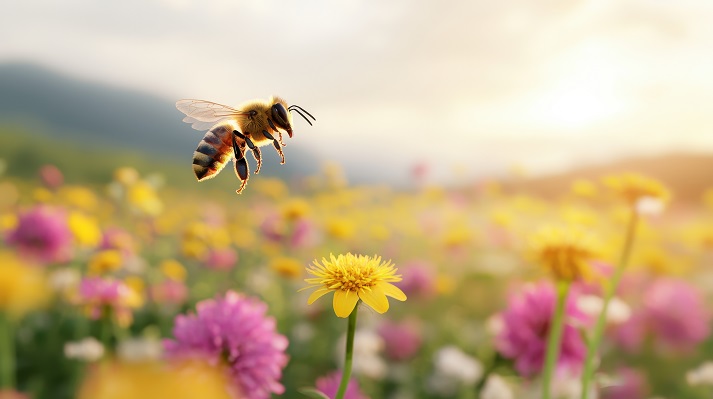
A single honey bee weighs just a tenth of a gram—less than a paperclip!
But all together, bees help pollinate 75% of the fruits, veggies, and nuts we eat.
They even help grow coffee. (Adults really love that one!)
In the United States alone, bees are worth over $24 billion to farmers.
Some scientists think bees might just have the most important job on the earth. Without them, our plates—and our planet—would look very different.
Trouble in the Hive
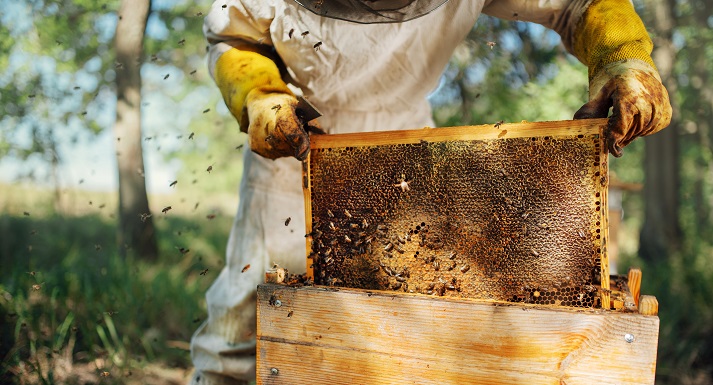
When people talk about “saving the bees,” they’re often talking about the European honey bee. These bees live in hives and are raised by beekeepers, like farm animals.
But something strange has been happening.
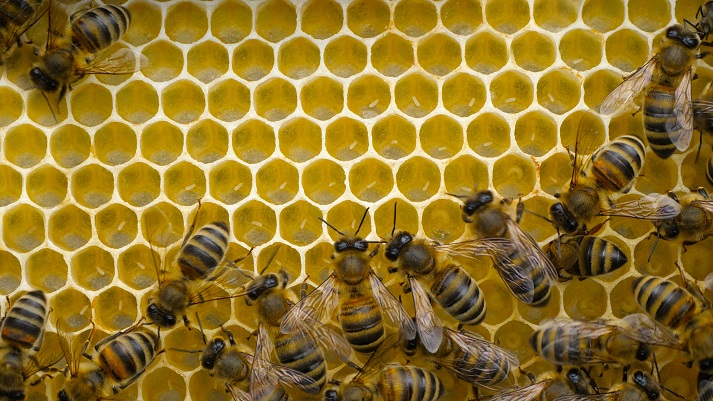
Beekeepers noticed that more and more bees were disappearing. It wasn’t just a few—it was millions. In some cases, 90% of the bees in a hive vanished!
This mystery got a name: Colony Collapse Disorder (CCD).
A hive with CCD looks like a ghost town. The queen bee is there, but all the worker bees are gone, and the baby bees are left behind.
What’s Hurting the Bees?
It’s not just honey bees that are in danger. Wild bees are struggling too.
Over the past 100 years, half of all wild bee species may have gone extinct.
Scientists think it’s a mix of problems.
Pesticides: These are chemicals used on farms to kill bugs—but they can hurt bees, too.
Not enough flowers: Bees need a variety of flowers to stay healthy. But with less wild space, they have fewer places to find food.
Diseases and parasites: Some pests suck bees’ blood, turn baby bees into goo, or even lay eggs inside their breathing tubes!
Can We Help the Bees?
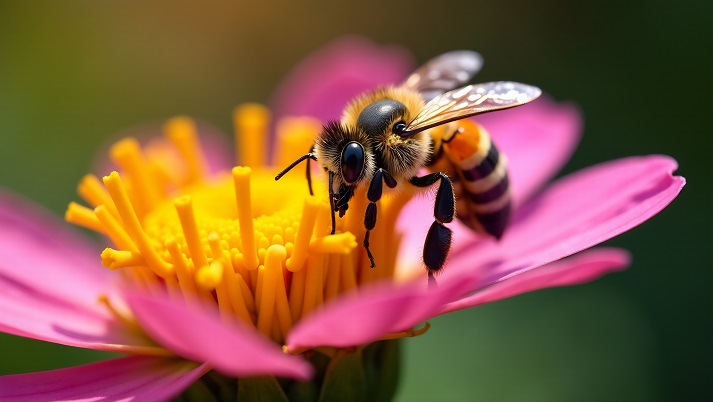
Yes! Scientists are trying to breed bees that are stronger and can fight off sickness. But you can help, too!
Plant more flowers.
Avoid using harmful chemicals in gardens.
Protect wild bees and their homes.
Buzz over to the Got It? section to test what you’ve learned so far—and find out how much you really know about bees!

Supplies
Suggested Reading


 FAVORITE
 Like
Like