Sign Up
School Account Sign Up

Lesson ID: 12696
Did you know your body has an army that fights off germs 24/7? Meet your immune system and see how it keeps you healthy!




You vs. The Invaders
Imagine waking up to find your house surrounded by tiny intruders trying to break in through every crack and crevice. Scary, right? Now imagine those invaders are microscopic—so small you can't see them—and they're trying to sneak into your body every single second of every single day.
Good news: you have a built-in army that never sleeps!

Your immune system is always on patrol, defending you from invisible invaders such as bacteria, viruses, fungi, and other harmful substances known as pathogens. You might not see this battle, but it's happening constantly—and it's incredible.
Explore the ultimate defense team within your body and discover how it works together to keep you alive and well.
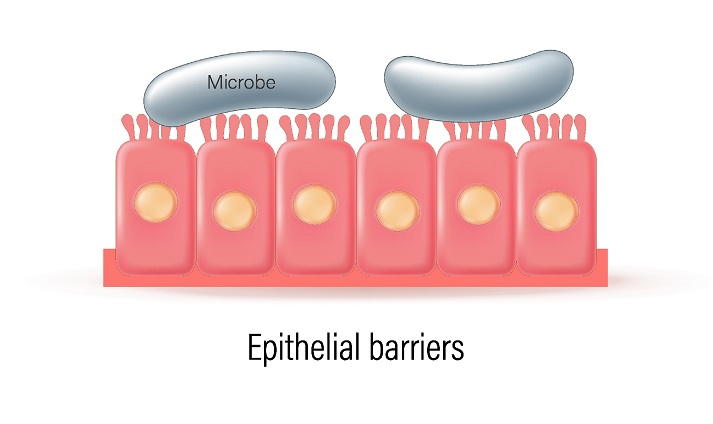
First Line of Defense: The Wall Around the Castle
Your first defense is your skin—yes, your skin! It's your body's armor, blocking most invaders from getting in. But it’s not alone.
Nasal hairs and cilia (tiny hair-like structures inside your nose) trap and push out harmful particles like dust and germs.
Mucus in your nose and throat traps bacteria and other particles, helping to move them out of your body.
Stomach acid destroys many germs that get swallowed.
Even your tears and saliva have chemicals that can break down invaders.
Together, these physical and chemical barriers work to stop trouble before it starts.
Second Line of Defense: Firefighters on the Scene
Sometimes, pathogens still manage to sneak in, such as through a cut or scrape. That’s when your inflammatory response jumps into action.
Here’s what happens.
Phagocytes (like macrophages) rush to the scene. These are white blood cells that “eat” harmful invaders.
The area may swell, get red, and feel warm—that’s inflammation. It means your body is sending a signal for help!
If the battle becomes intense, other fighters, such as neutrophils, arrive. They're powerful but reckless, attacking everything in sight—including healthy cells.
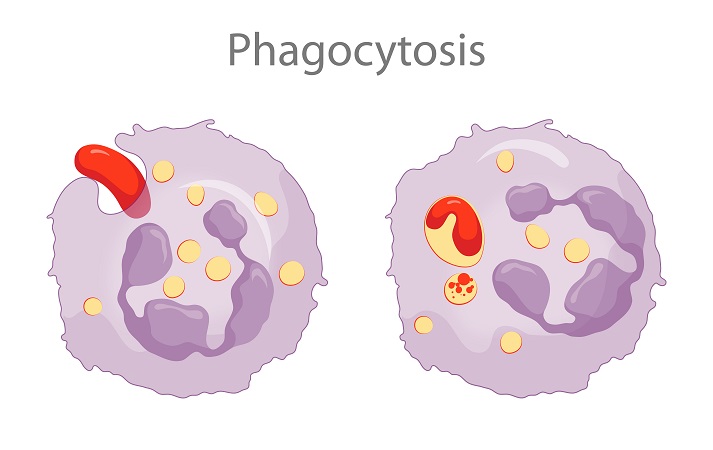
Inflammation isn’t always fun, but it means your body is fighting hard to protect you.
Third Line of Defense: The Elite Forces
When basic defenses can’t handle the invasion, your body calls in specialists: the immune response.
This part of your immune system is highly trained and super specific. It uses cells called lymphocytes—including T cells and B cells—to identify and destroy the invader.
Here’s how the mission works.
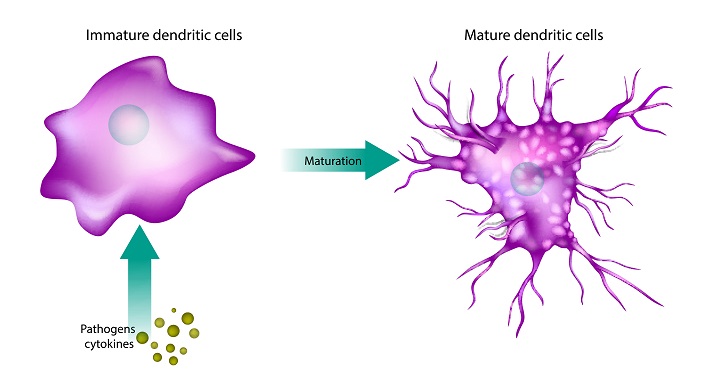
Meet the Scouts: Dendritic Cells
These cells gather pieces of the invader (called antigens) and travel to the nearest lymph node, like a strategy meeting room for immune cells.
Meet the Commanders: Helper T Cells
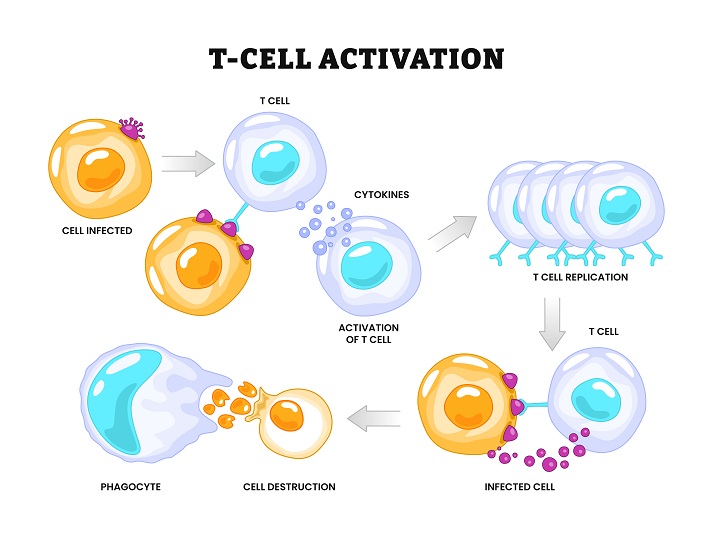
Helper T cells examine the antigen and, if they recognize it, they start a chain reaction.
They multiply.
Some go to the battlefield.
Others become memory T cells, storing info about the invader in case it returns.
Meet the Factories: B Cells
When a B cell meets a Helper T cell with matching antigen data, they get to work.
The B cell multiplies and becomes a plasma cell.
It produces antibodies—tiny proteins that stick to the invader like glowing “kick me” signs, making it easier for other immune cells to attack.
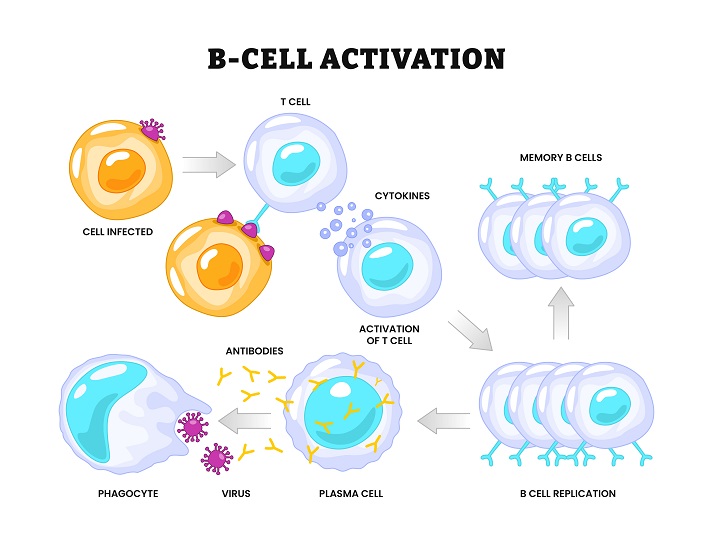
Antibodies can do a lot.
Disable the invader.
Attract more immune cells to the scene.
Help macrophages clean up the mess.
Meet the Memory Cells
After the battle, some B and T cells become memory cells. If the same invader comes back, your immune system will recognize it—and stop it—before you even feel sick.
A Never-Ending Team Effort
Each time you scrape a knee or catch a cold, your immune system is training, adapting, and getting better. It’s always learning, always working, and always protecting you, day and night.
From your skin to your lymph nodes, your body has a multi-layered system of barriers, warriors, and strategists working together to keep you safe.
Now that you’ve learned all about this internal superhero squad, it’s time to put your knowledge into action.
Head to the Got It? section to practice what you’ve learned and test your immune system smarts!

Supplies
Additional Resources



 FAVORITE
 Like
Like