Sign Up
School Account Sign Up

Lesson ID: 12492
What is nuclear radiation, and how does it affect people and the planet? Learn the science behind this powerful force and how to stay safe.




It’s Not Just Science Fiction
You’ve probably seen movies where glowing green waste barrels leak dangerous radiation, or where characters suddenly develop powers—or illnesses—after exposure to mysterious energy.
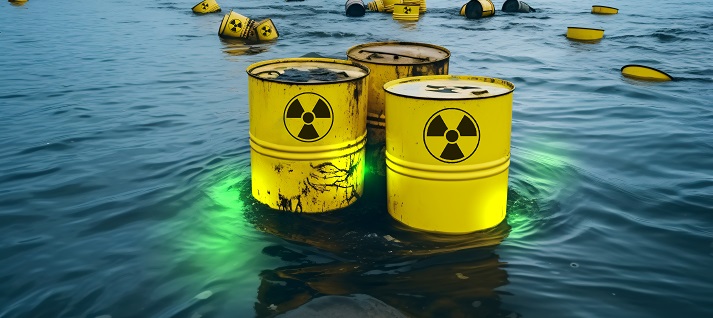
But nuclear radiation isn’t just a dramatic special effect. It’s real, invisible, and powerful.
Nuclear radiation can treat diseases, fuel space probes, generate electricity, and—when misused or mishandled—cause lasting damage to people and the environment.
Take a closer look.
What Is Nuclear Radiation?
Nuclear radiation is the energy released from an unstable atomic nucleus. It happens naturally in radioactive elements like uranium or can be generated artificially, like in nuclear power plants or weapons.
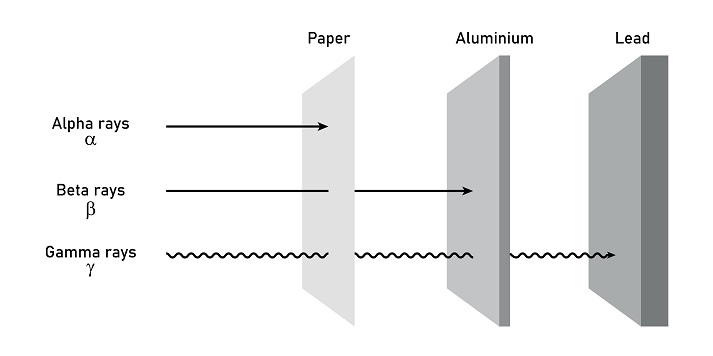
There are three common types of nuclear radiation.
Alpha particles – heavy, highly ionizing, but easily blocked (e.g., by skin or paper)
Beta particles – smaller and faster; can penetrate skin but are blocked by materials like aluminum
Gamma rays – pure energy with no mass; deeply penetrating and hard to block without thick shielding like lead or concrete
Radiation can come from many sources.
Space (cosmic rays)
Earth (natural radioactive rocks)
Technology (medical equipment, nuclear power, weapons)
How Radiation Affects the Body
Radiation is measured in units called rads, which tell you how much energy has been absorbed by the body. The more rads absorbed, the more damage can occur.
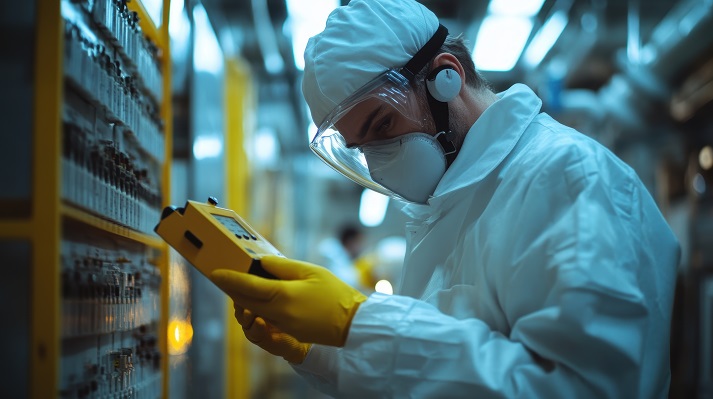
Low doses may cause the following.
Hair loss
Nausea or flu-like symptoms
Moderate doses can lead to the following.
Vomiting, fatigue, and diarrhea
Radiation sickness caused by a loss of white blood cells, which weakens the immune system
High doses can cause the following.
Internal bleeding (hemorrhage)
Organ failure or death
Long-term effects may include cancer, DNA mutations, and infertility.
Radiation and the Environment
Radiation doesn’t just affect humans. It can also harm the following.
Plants – Radiation can mutate plant DNA, prevent growth, or kill crops altogether.
Animals – Radiation can cause cancer and reproductive issues in animals and marine life.
Ecosystems – Areas near nuclear accidents (like Chernobyl) can remain uninhabitable for decades due to lingering radiation.
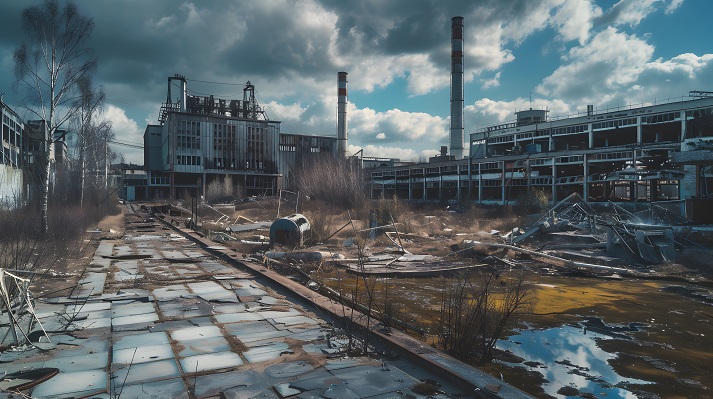
Radiation exposure can spread through air, water, and soil. That’s why preventing and responding to nuclear emergencies is so important.
Nuclear Accidents and Emergencies
Radiation emergencies can happen in many ways:
A nuclear power plant accident
An accidental spill during transport of radioactive materials
An occupational exposure in a lab or hospital
A nuclear weapon detonation—the most dangerous scenario, releasing energy and radioactive fallout
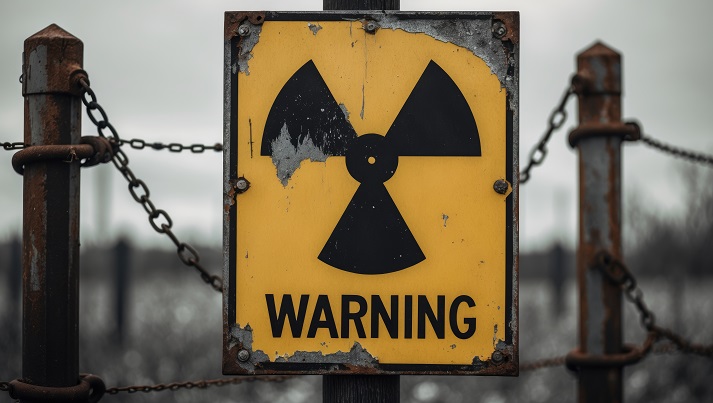
In a nuclear emergency, the three rules of protection are as follows.
Time – Spend as little time near radiation as possible.
Distance – Stay as far away as possible from the source.
Shielding – Put thick barriers (walls, concrete, lead) between you and the radiation.
If you're outside when a radiation event occurs, do the following.
Get inside a sturdy building quickly.
Stay away from windows and go to the center or basement.
Turn off fans or vents that bring in outside air.
Stay indoors for at least 24 hours unless told otherwise.
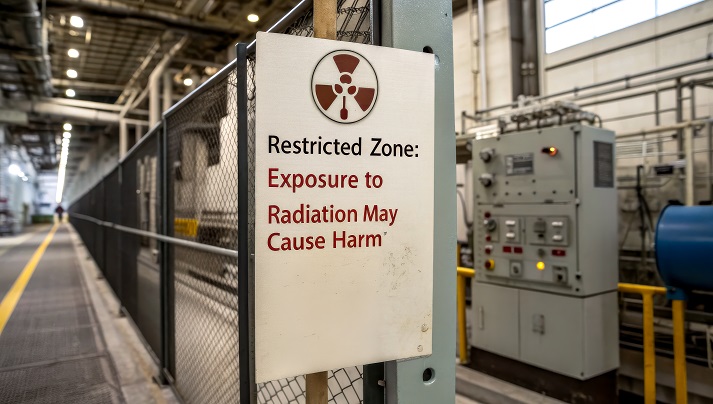
Staying Safe After Exposure
If you’ve been exposed to radiation, follow these steps.
Remove contaminated clothing. (It can get rid of up to 90% of radioactive material.)
Wash your body thoroughly with soap and water.
Clean your pets if they were outside.
Eat only sealed or indoor-stored food until safety is confirmed.
Listen to local emergency broadcasts for instructions before evacuating or returning to your home.
You now have a solid understanding of what nuclear radiation is, where it comes from, and why it must be handled with care.
See how much you remember in the Got It? section and how well you can apply what you’ve learned!

Supplies
Additional Resources



 FAVORITE
 Like
Like