Sign Up
School Account Sign Up

Lesson ID: 12814
Learn how to put out fire with a fizzy gas you can make at home—just like real firefighters do!




Firefighters to the Rescue!
Imagine hearing sirens, seeing flashing lights, and watching firefighters jump out of a big red truck. They grab a hose, and whoosh!—a white foam sprays out and covers the fire. In seconds, the flames are gone.
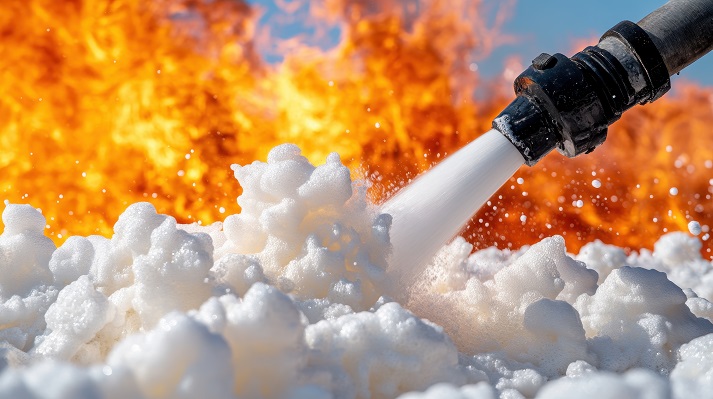
It’s not just water or magic foam—it’s science!
And believe it or not, you can learn how to make something that works like a real fire extinguisher right in your own home (no flames needed!).
Fire Needs More Than Heat
You may already know that fire needs oxygen from the air to burn. Take away the oxygen, and the fire will go out.
But here’s something new: there’s another gas that can help stop a fire—and it’s one you can make!
That gas is called carbon dioxide (say it like this: car-bun dye-ox-ide). You can’t see it, but it’s all around you. And it’s really good at pushing oxygen out of the way.
Make It Foam, Make It Safe
When firefighters spray their foam, they’re really spraying carbon dioxide gas.
This gas is heavier than air, so it sinks down and pushes oxygen away. Without oxygen, the fire can’t keep burning.
You can make carbon dioxide gas with something you might already have in your kitchen: baking soda and vinegar!
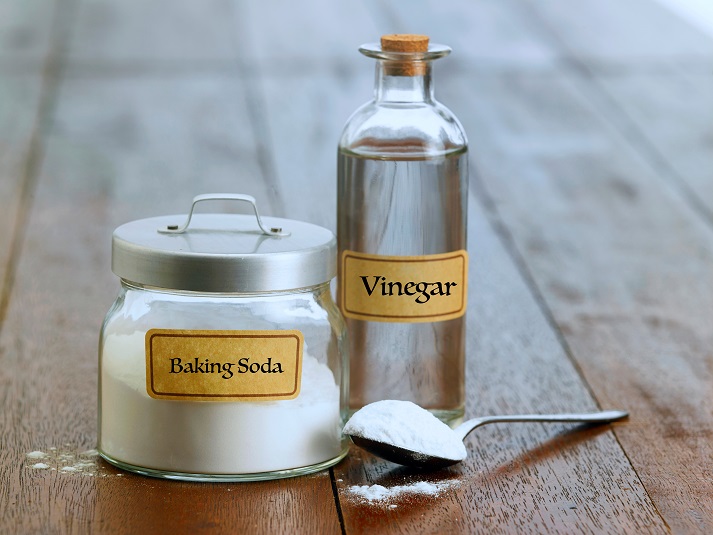
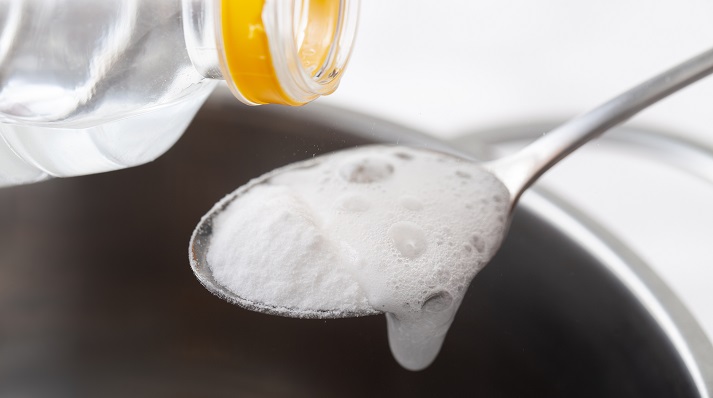
When you mix those two things, a fizzy reaction happens, and bubbles of carbon dioxide gas are released. You can’t see the gas very well, but it’s there—and it’s powerful!
The Sneaky Gas Trick
If you light a candle and carefully pour the gas (not the liquid!) over it, something cool happens. The flame goes out—even though nothing wet touched it!
That’s because the invisible carbon dioxide gas covered the flame and blocked the oxygen, just like foam from a firefighter’s hose.
It’s science in action—right in your own home.
Why This Is Awesome
Firefighters, scientists, and even chefs use carbon dioxide to control fire safely.
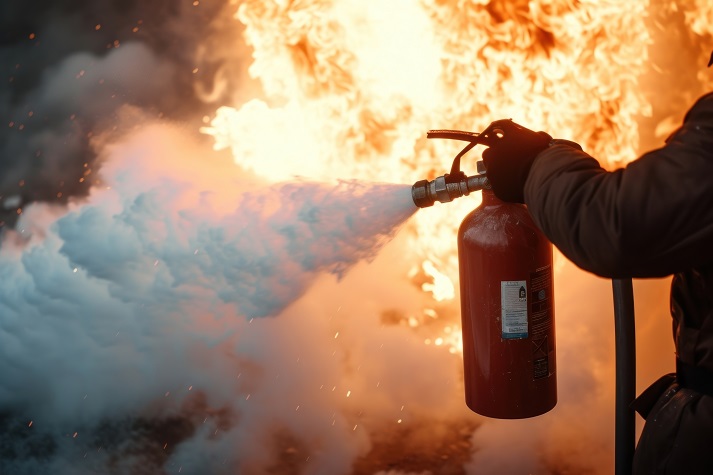
Knowing how gases work helps keep people safe and shows you how powerful everyday things—like baking soda and vinegar—can be.
On to the Got It? section!

Supplies


 FAVORITE
 Like
Like