Sign Up
School Account Sign Up

Lesson ID: 11955
Step inside the secrets of an Egyptian tomb and uncover how these ancient wonders were built, booby-trapped, and packed with surprises.




Tomb With a View: Welcome to the Afterlife
Imagine spending decades building something you’ll never live in—but that everyone will remember you for. That’s exactly what ancient Egyptians did.
The most powerful rulers of their time didn’t just plan their lives—they planned their afterlives in stunning detail.
You’ve probably seen photos of pyramids before. They’re huge, pointy, and dramatic.
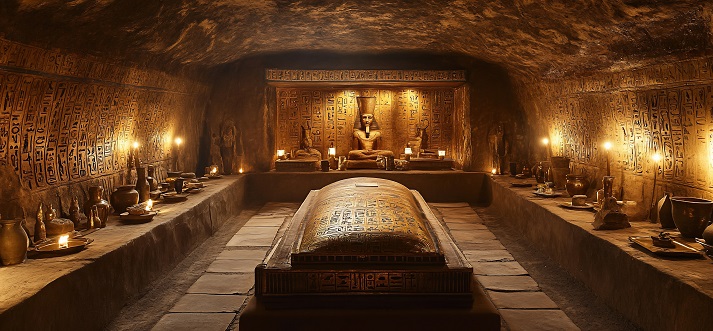
In ancient Egypt, tombs weren’t dark and spooky places. They were grand homes for the dead, built to launch the pharaoh into the next world in style.
And it wasn’t just about stacking stone blocks. These tombs were packed with everything a ruler might need after death—furniture, clothes, food, games, jewelry, even boats.
Because Egyptians believed the afterlife was real and required serious preparation. A pharaoh didn’t just die; he became a god. His tomb had to be worthy of that transformation.
Building the Impossible
Let’s get one thing straight: these tombs weren’t slapped together with mud and a prayer.
Building something like the Great Pyramid of Giza, which once stood 481 feet tall, took about 20 years and millions of heavy stone blocks, some weighing as much as 80 elephants.
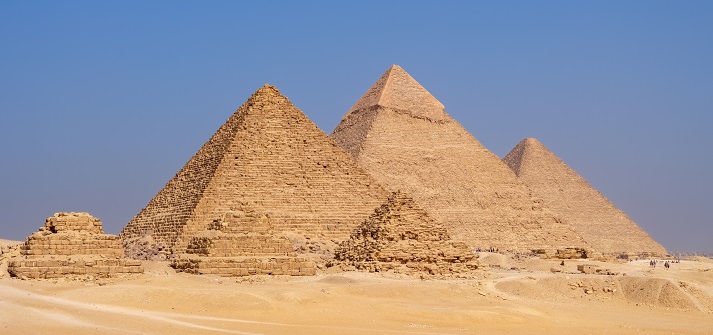
It was all done without the use of cranes, bulldozers, or steel tools. Just manpower, simple tools, and incredible math.
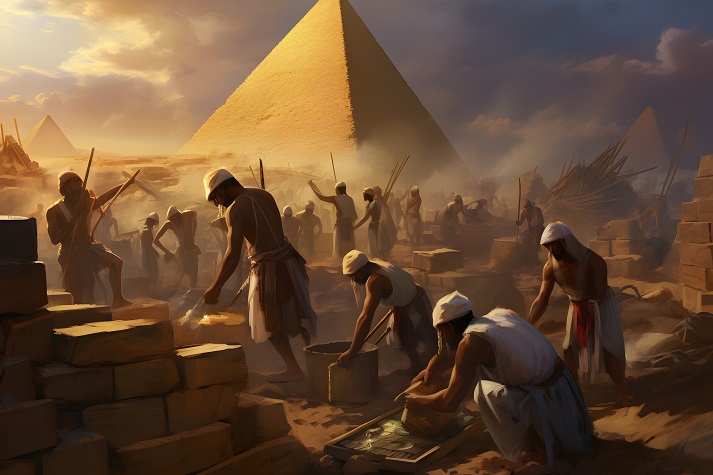
Most experts agree that the Egyptians used giant ramps made of mudbrick or limestone chippings. Workers dragged stones up the ramps using wooden sledges.
Some ramps may have gone straight up, others might have spiraled around the pyramid like a giant snail shell.
Logs, levers, and copper chisels helped shape and move blocks.
To smooth the surfaces, builders used flint scrapers, sandstone rubbers, and string with rods to detect high spots and imperfections.
Red ochre paint marked areas that needed more work.
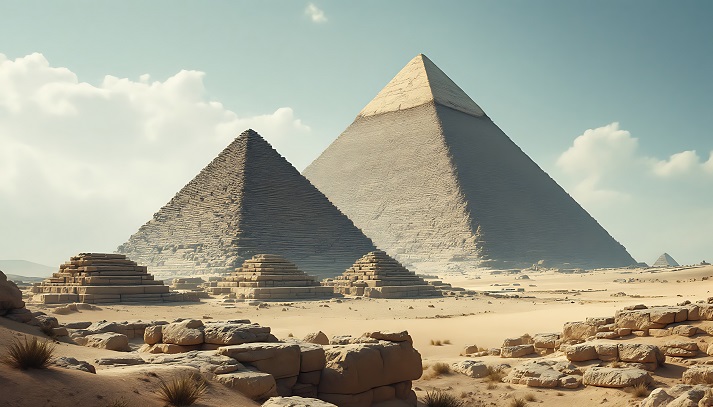
Once the blocks were perfectly cut and smoothed, they were stacked in precise layers, sealed with mortar, and covered in shining white casing stones made of polished limestone.
These stones made the pyramid glow in the sun like a beacon from the gods.
Tomb Sweet Tomb
But these tombs weren’t just empty stone pyramids. They were treasure houses and spiritual launchpads.
Inside, you’d find burial chambers, hidden rooms, and complex passageways.
The pharaoh’s mummified body would rest in a stone sarcophagus, surrounded by canopic jars, jewelry, weapons, statues, and even board games!
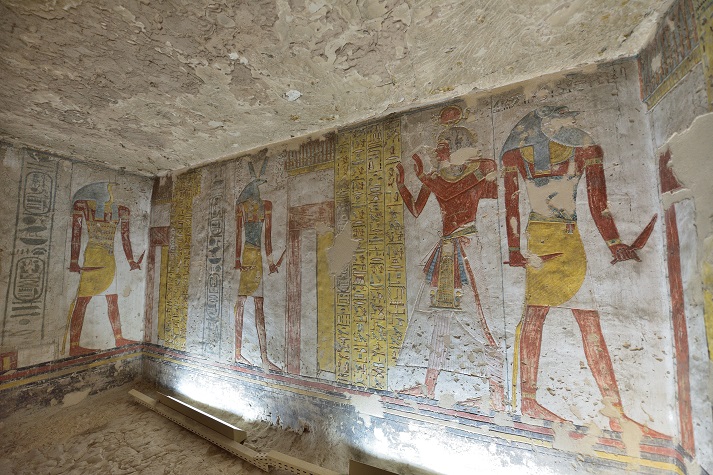
Protective spells and prayers were carved into the walls to guide and defend the pharaoh’s spirit on its journey.
To keep robbers out, architects added false doors, dead-end passages, and even traps.
All tombs were built on the west side of the Nile, where the sun sets, because that symbolized the journey into the afterlife.
Believe it or not, pyramid building wasn’t limited to pharaohs.
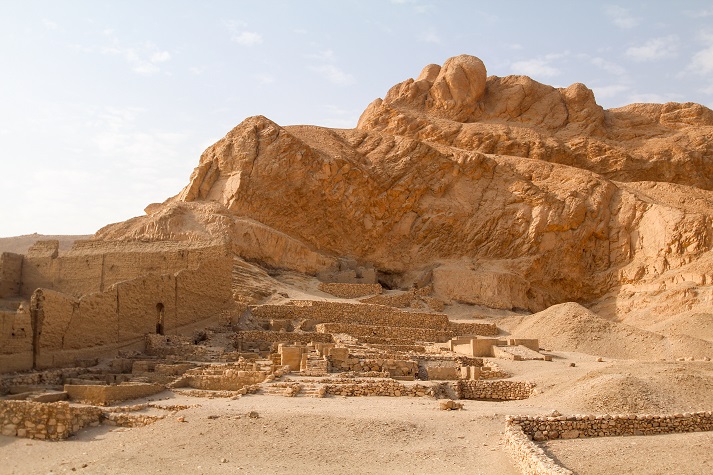
Later tombs for nobles and priests were often carved into cliffs or built underground, but they shared the same purpose: to protect the dead and prepare them for eternity.
What’s Next?
Now that you’ve uncovered the engineering, beliefs, and secrets of Egyptian tombs, it’s time to test your tomb knowledge.
Get ready to match, build, sort, and solve as you move on to the Got It? section and put your pharaoh-level brainpower to work!

Supplies





 FAVORITE
 Like
Like