Sign Up
School Account Sign Up

Lesson ID: 11058
Step into a time of fear and debate as you explore the Red Scare, test your thinking, and take a stand on justice and rights.




When Fear Takes Over: Inside the Red Scare
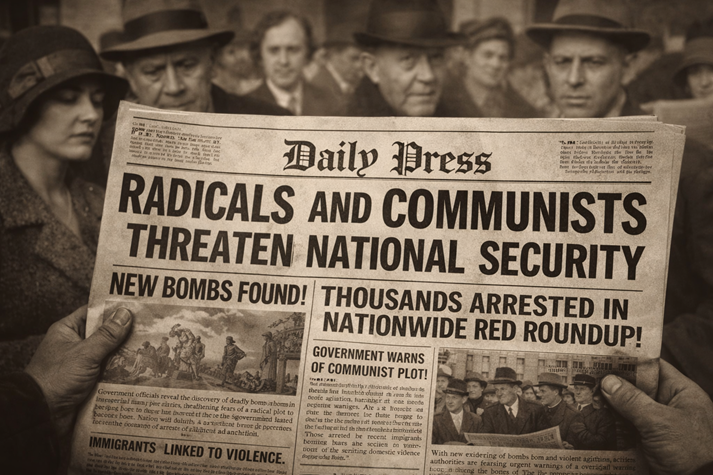
Imagine scrolling your feed and seeing headlines like:
“Government warns of secret plots to overthrow the country.”
“Thousands arrested for suspected radical beliefs.”
“Immigrants blamed for rising violence.”
Now imagine this isn’t social media—it’s real life in the United States after World War I.
That moment in history is called the Red Scare.
Why Was America So Afraid?
After World War I ended in 1918, the world felt unstable. Countries had lost millions of people, economies were struggling, and governments were shaky.
Then something dramatic happened in Russia.
In 1917, a revolution overthrew the Russian government. A group called the Bolsheviks, led by Vladimir Lenin, seized power and established a communist system.
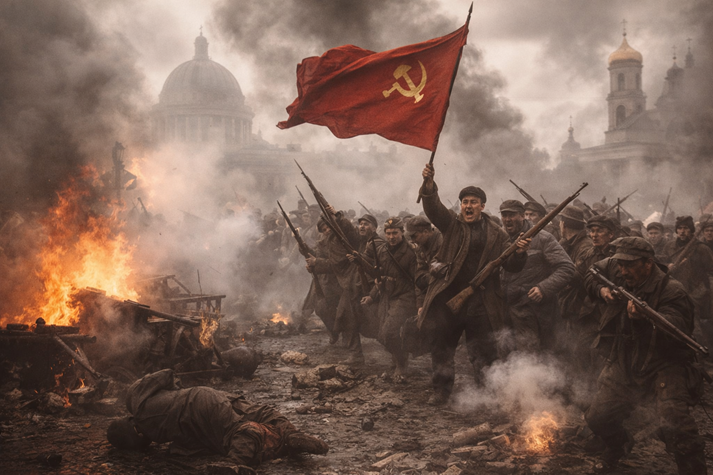
Communism is an economic and political system in which major industries and resources are collectively owned rather than by individuals, and wealth is meant to be shared among the people.
To many Americans at the time, this felt like a direct threat. The United States was built on capitalism, where individuals and businesses own property and compete for profit. The idea of replacing that system caused serious concern.
At the same time, another belief system added to the fear.
Anarchism rejected government authority altogether and argued that society could function without a formal state.
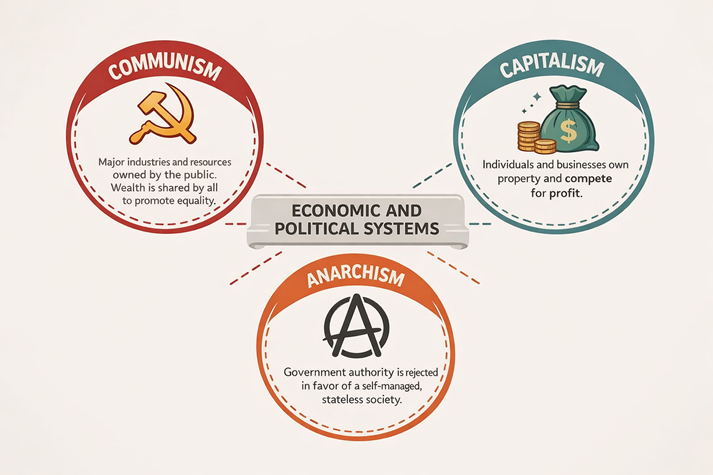
To many Americans, both communism and anarchism sounded like chaos, instability, or even violence.
Fear Spreads at Home
Back in the United States, things were already tense.
Workers were going on strike for better pay and conditions. Inflation was rising. Thousands of returning soldiers were looking for jobs. Over 3,000 strikes broke out across the country.
Some people began to link these problems to radical political ideas—even when there was no clear evidence.
Small groups of activists formed communist organizations in the U.S., which increased suspicion.
At the same time, a series of bombings and violent incidents—some linked to anarchists—intensified public fear.
Many Americans started to believe that a revolution like Russia’s could happen in the United States.
The Government Takes Action
Fear quickly turned into action.
Attorney General A. Mitchell Palmer led a campaign to find and stop suspected radicals. In what became known as the Palmer Raids, thousands of people were arrested—many without strong evidence.
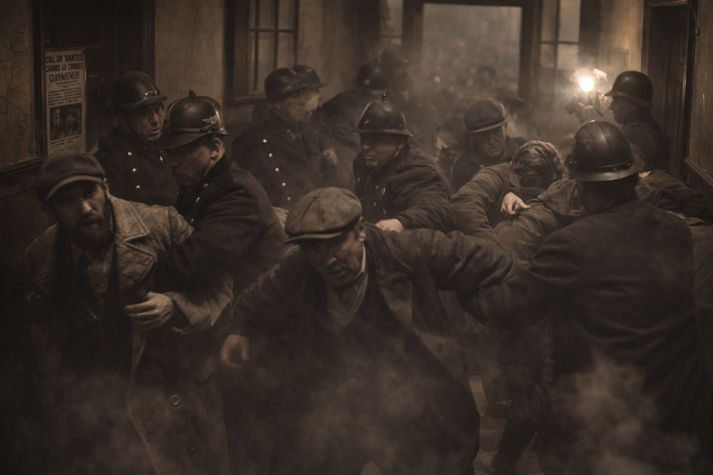
In one wave alone, over 10,000 suspected communists and anarchists were arrested.
Many of those arrested were immigrants. Some were deported without ever being formally charged with a crime.
Supporters of these actions argued they were protecting national security.
Critics argued that they violated basic rights such as freedom of speech and due process.
This tension between safety and civil liberties is still debated today.
When Fear Shapes Justice: The Sacco and Vanzetti Case
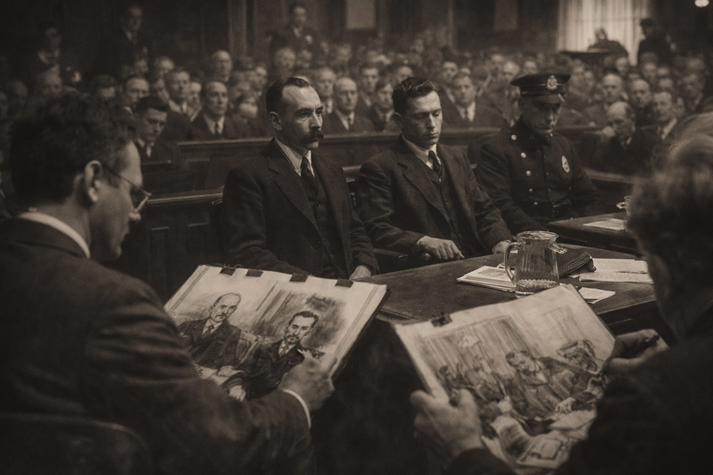
One of the most famous examples of Red Scare fear influencing society involved two Italian immigrants: Nicola Sacco and Bartolomeo Vanzetti.
They were arrested and tried for murder in 1921. Both men were known anarchists.
Their trial quickly became controversial.
Some people believed they were guilty.
Others believed they were unfairly targeted because of their political beliefs and immigrant background—especially during a time of widespread fear.
Protests spread across the United States and even internationally. The case divided the nation and remains debated today.
What Was the Red Scare, Really?
The Red Scare was not just about politics—it was about fear.
Sometimes those fears were based on real events. Other times, they were exaggerated or misunderstood.
The result was a period where suspicion spread quickly, and people’s rights were sometimes pushed aside in the name of security.
Ready to Put This Into Action?
You’ve learned how fear, politics, and social tension collided during the Red Scare—and how those forces shaped real decisions and real lives.
Now it’s time to step into that moment and examine it more closely.
Next, you will analyze key ideas, events, and decisions from this era to test your understanding and sharpen your thinking.

Supplies




 FAVORITE
 Like
Like