Sign Up
School Account Sign Up

Lesson ID: 11645
Discover how bacteria are classified and what makes each group unique—from their shapes to how they survive and thrive.




Small but Mighty
You can’t see them, but they’re everywhere. On your skin. In your food. Inside your body. Some are harmful, some are helpful—and all of them are fascinating.
Bacteria are some of the simplest organisms on the planet, but they’re also some of the most successful. They’ve been around since the beginning of life on the earth—and they’re not going anywhere.
To understand how life works (and how sickness happens), you need to understand bacteria first.
Meet the Bacteria
Bacteria are tiny, single-celled organisms called prokaryotes—which means they have no nucleus and no membrane-bound organelles.
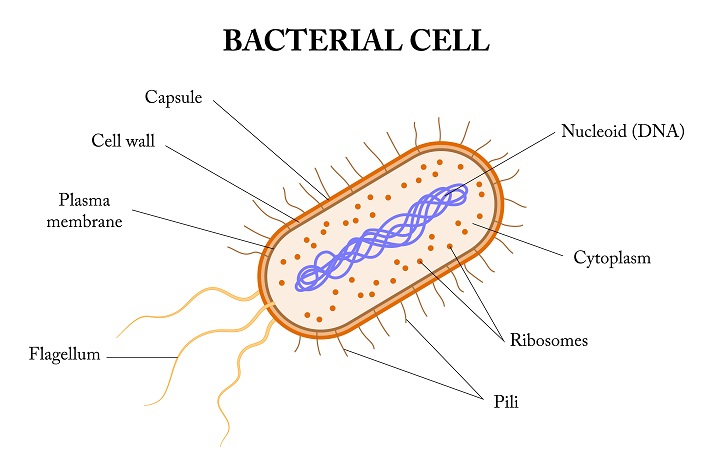
Although they’re often associated with disease, most bacteria aren’t harmful at all. In fact, many are essential for digestion, decomposition, and even food production.
Some bacteria help make cheese and yogurt. Others help digest your food. Still others cause illnesses like strep throat, tuberculosis, or whooping cough.
The key is knowing how to tell the good guys from the bad ones—and how to stop them when needed.
Classifying Bacteria
Unlike animals, bacteria don’t have arms, legs, or faces to tell them apart. Scientists classify them in several other creative ways, starting with their shape.
Shape and Structure
Most bacteria fall into three main shapes.
Coccus: circular (round)
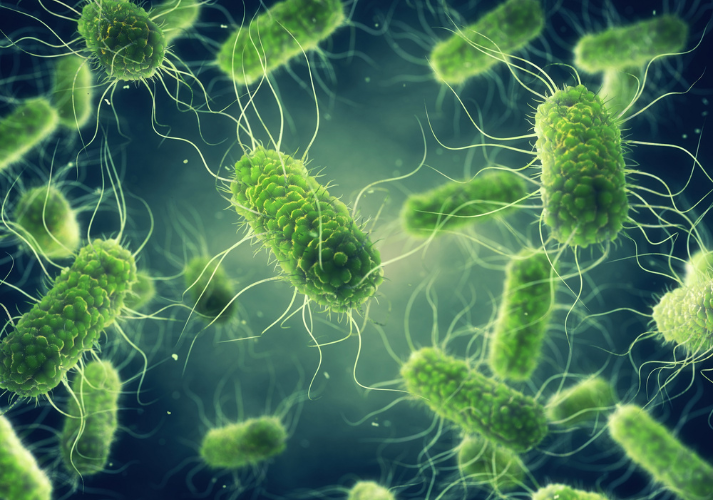
Bacillus: rod-shaped
Spirillum: spiral or corkscrew
You may also see variations like vibrio (curved rods), helical, or filamentous shapes. Some bacteria exist alone, while others group into pairs (diplo-), chains (strepto-), or clusters (staphylo-).

Energy Source
Autotrophs make their own food.
Photoautotrophs use sunlight (like cyanobacteria).
Chemoautotrophs use chemicals from their environment (often in deep-sea vents).
Heterotrophs get energy by consuming other organisms or materials.
Oxygen Use
Bacteria are also classified by how they interact with oxygen.
Obligate aerobes need oxygen to survive.
Obligate anaerobes are poisoned by oxygen.
Facultative anaerobes can survive with or without it.
Cell Wall Structure: Gram Staining
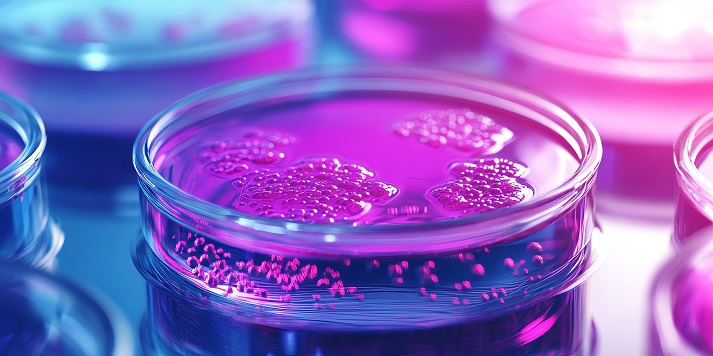
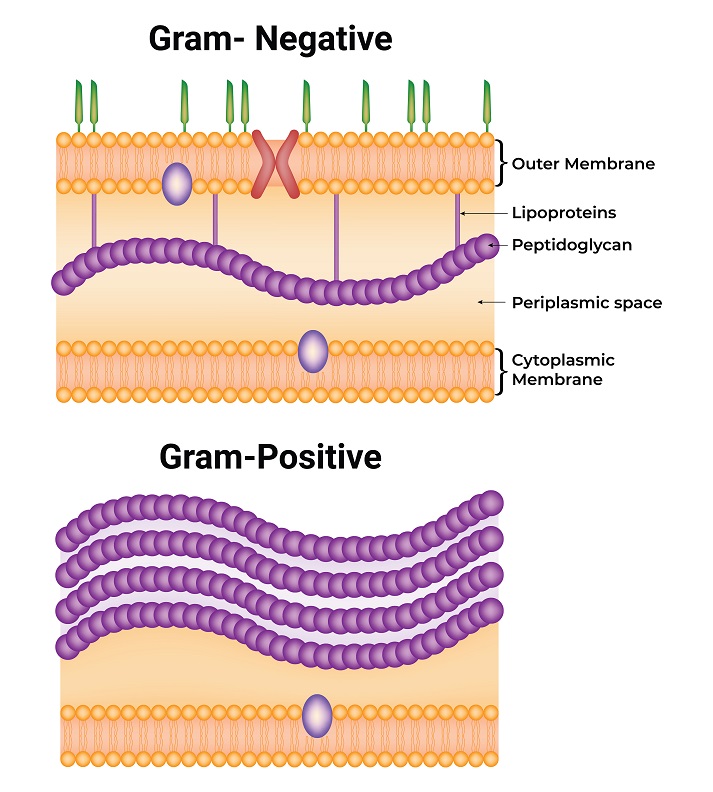
Bacteria are grouped as Gram-positive or Gram-negative based on how they react to a stain that sticks to their cell wall.
Gram-positive bacteria have a thick peptidoglycan layer and stain purple/blue.
Gram-negative bacteria have a thinner wall with an outer membrane and stain pink/red.
What’s Peptidoglycan?
It’s a tough, net-like material made of sugars and proteins that gives the bacterium its shape and keeps it from bursting. It’s like a pressure-resistant armor—and depending on its thickness, it can help doctors decide how to treat an infection.
This difference isn’t just cosmetic—Gram-negative bacteria are often harder to treat with antibiotics and may release toxins that affect the host.
What About Archaebacteria?
Not all bacteria belong to the same domain. A special group called Archaebacteria, or Archaea, are so different from other bacteria that they’re considered a separate domain of life entirely.
These organisms live in extreme environments—like boiling springs, salt lakes, or deep-sea vents—and have unique chemistry and genetics.
They include the following.
Thermophiles (heat lovers)
Halophiles (salt lovers)
Methanogens (produce methane)
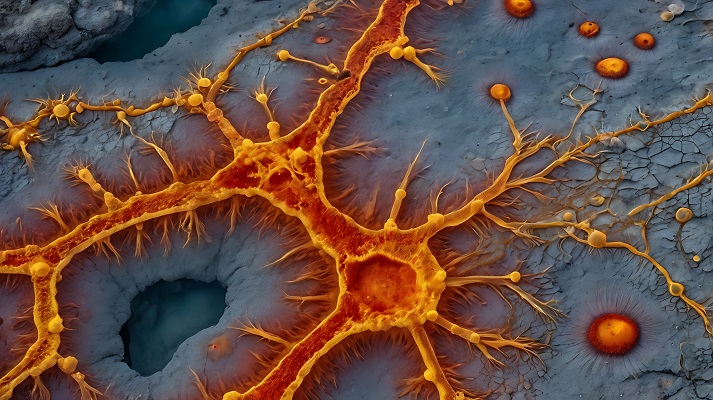
Despite their differences, archaebacteria are also single-celled prokaryotes, and their discovery helped rewrite the tree of life.
A Final Connection
These invisible organisms shape your daily life more than you realize—sometimes helping, sometimes hurting.
Where Does This Leave You?
Bacteria are everywhere, but they’re not all the same. Understanding their structure, behavior, and classification is the first step toward understanding how they help you, how they hurt you, and how you can fight back.
Next up: Review what you’ve learned and apply your knowledge in the Got It? section.

Supplies
Additional Resources


 FAVORITE
 Like
Like