Sign Up
School Account Sign Up

Lesson ID: 11382
Explore how living things group together in populations and discover how those groups grow, shrink, and interact!



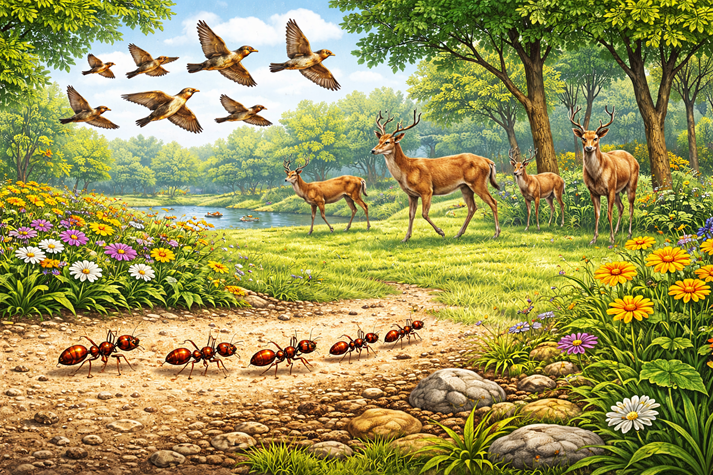
Picture this.
You walk into a park and see:
That’s not just a bunch of animals.
That’s a population.
What Is a Population?
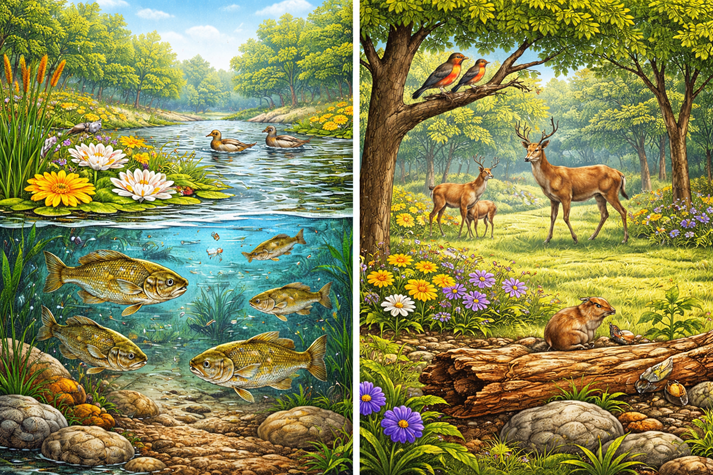
A population is a group of the same kind of living thing living in the same place.
That means two important things.
They are the same species.
They live in the same area.
A species is a group of living things that can have babies together.
For example:
All the squirrels in one park = a population
All the fish in one pond = a population
All the oak trees in one forest = a population
But this would NOT be a population:
squirrels and birds together (different species)
fish in two different lakes far apart (different places)
Same Species, Same Place
Here’s where it gets interesting.
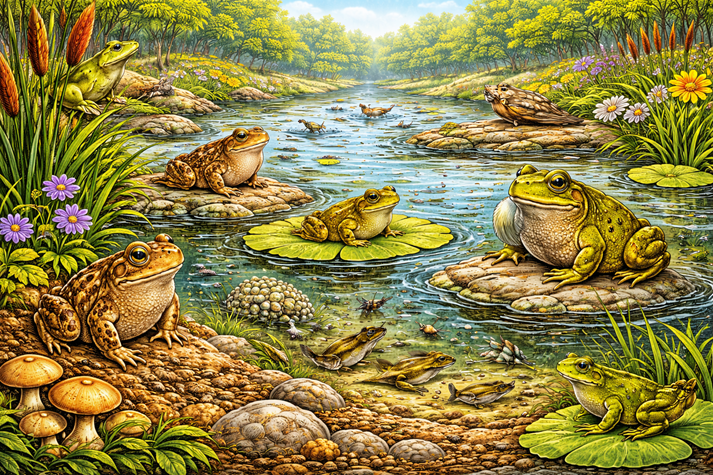
Sometimes animals look similar, but they are actually different species.
For example:
small frogs that live in trees
larger frogs that live in ponds
Even if they live near each other, they are different populations because they are different species.
They cannot form one population because they cannot produce offspring together.
Population Size Matters
Not all populations are the same size.
Some are large:
thousands of ants in a colony
huge schools of fish in the ocean
Some are small:
a few foxes in a forest
a small group of flowers in a field
Population size can change over time.
If a population gets too small:
it may be harder to find food
it may be harder to find a mate
If a population gets too large:
there may not be enough food or space
disease can spread more easily
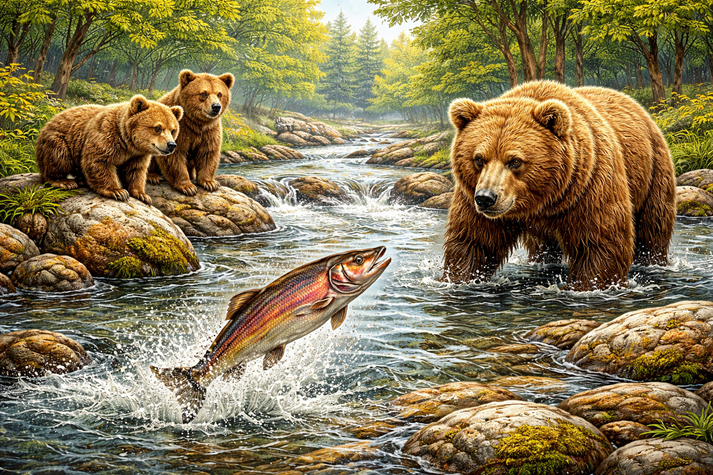
How Populations Affect Each Other
Populations do not live alone.
They interact with other populations in their environment.
For example:
If there are fewer birds, insects might increase.
If a new species moves in, it might crowd out others.
If plants grow well, the number of animals that eat them may increase.
Even small changes in one population can affect many others.
Populations and Their Needs
Every population depends on its habitat and its niche.
The habitat gives it a place to live.
The niche gives it a job to do.
For example:
a tree population needs sunlight and space
a fish population needs clean water and food
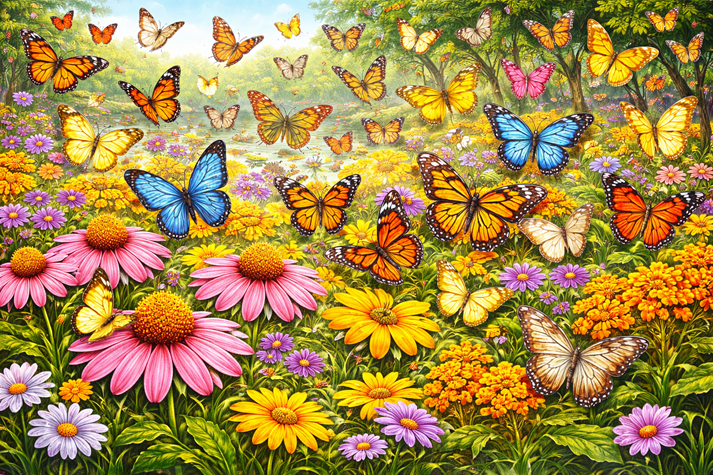
a butterfly population needs enough flowers to survive
If these needs are not met, the population can shrink.
Big Idea to Remember
A population is not just a group—it is a group that:
belongs to the same species
lives in the same place
depends on the environment to survive
You just learned how living things form groups and how those groups change and interact.
Next, it’s time to practice identifying populations and see how they work in the real world.

Supplies
Additional Resources



 FAVORITE
 Like
Like