Sign Up
School Account Sign Up

Lesson ID: 11270
Explore the wild world of forest plants! Discover how trees, flowers, and mosses survive through every season.




Where the Leaves Fall and Forest Floors Bloom!
If trees could talk, they’d have wild stories about growing, glowing, and letting go.
In one amazing forest, plants live in a place that changes with every season—like a living calendar of color and survival. Welcome to the temperate deciduous forest, where plants don’t just grow—they adapt, rest, and return again in a never-ending cycle of change!

Meet the leafy stars of the show and the tiny green heroes hiding underfoot.
What Makes These Forests Deciduous?
The word deciduous means “to fall off.” So, in a deciduous forest, the trees lose their leaves each fall.
Because dropping leaves helps the trees survive cold winters. Without leaves, they lose less water and don’t risk icy leaves snapping branches. It’s nature’s way of preparing for a chilly nap.
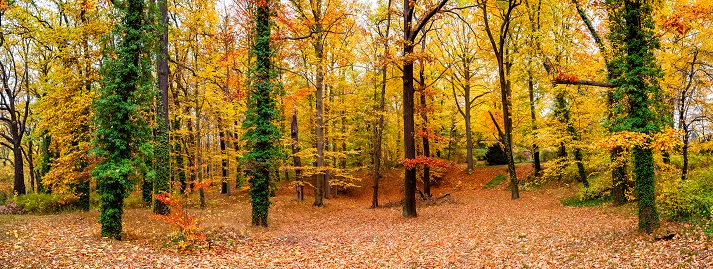
But these forests aren’t just about leaf-dropping trees. They’re part of the temperate biome, meaning the climate has warm, wet summers and cool to cold winters—perfect for plants that like both sun and snow.
Towering Trees of the Temperate Deciduous Forest
These forests are famous for their colorful tree canopies that light up with red, gold, and orange every fall. Some common trees include the following.
Red Oak – Known for its strong wood and brilliant red fall leaves
Maple – A fan favorite for syrup and vibrant color
Beech – Keeps its smooth gray bark and golden-brown leaves into winter
Elm – Once widespread, now rarer due to disease
White Birch – With papery bark and bright green leaves
These trees shed their leaves in fall, grow new buds in spring, and soak up sun in summer. They're not just pretty—they're smart survivors!
Small but Mighty: Shrubs, Mosses, and More
Look beneath the trees and you'll find lots of plant life!
Wildflowers like trillium and violets, which bloom early in spring before trees block out the light
Shrubs such as hazel and witch hazel, which offer berries and shelter for animals
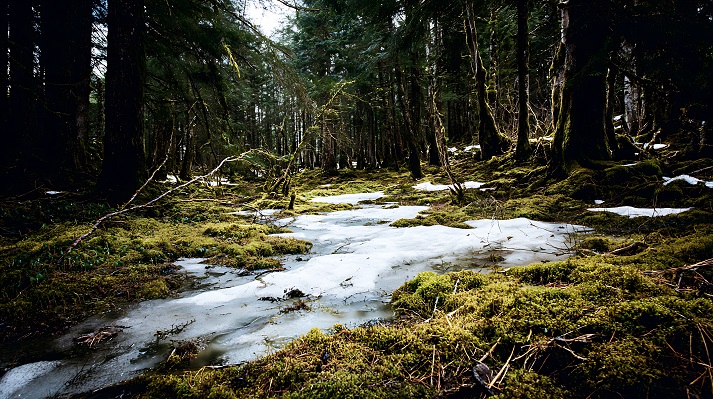
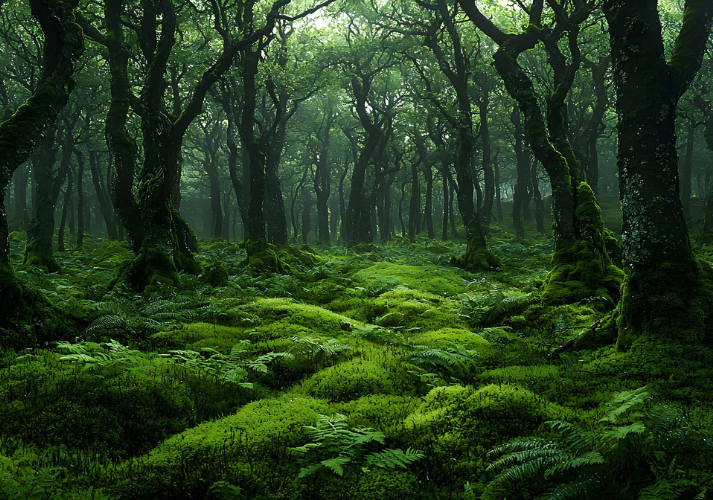
Moss and lichens that grow low to the ground or on rocks and tree trunks
Ferns with feather-like fronds that love shady forest floors
Many of these smaller plants die back in late fall, then return from roots or seeds in spring. They’re seasonal pros at hiding and reappearing when the time is right.
How Do the Seasons Affect Plant Life?
In this biome, seasons control everything.
Spring: Trees bud and small plants bloom quickly to grab sunlight before the canopy fills in.
Summer: The forest is lush and full; trees photosynthesize, and plants grow rapidly.
Fall: Leaves change color, plants store energy, and seeds scatter.
Winter: Most plants go dormant—like a deep sleep—until warmer weather returns.
This cycle helps keep the soil rich, the ecosystem balanced, and the forest full of surprises all year long.
Why These Plants Matter
The plants in this biome do more than just look nice—they create shelter, food, and oxygen for the entire forest.
From the tiniest moss to the tallest tree, each one is part of a living puzzle that supports animals, insects, and even people nearby. These plants adapt to change and help everything else thrive around them.
Dig Deeper!
It’s time to test your knowledge and try out some creative ways to show what you’ve learned. Head to the Got It? section to practice being a forest plant expert!

Supplies
Additional Resources






 FAVORITE
 Like
Like