Sign Up
School Account Sign Up

Lesson ID: 10753
Discover the wonders of Central America, from volcanoes and rainforests to the Panama Canal, and see how this region connects the world.




Welcome to the Land Bridge of the Americas
Imagine standing on a strip of land where two mighty continents almost shake hands. That’s Central America—an isthmus, a narrow stretch of land that connects North and South America.
This small region packs in an incredible variety of landscapes, cultures, and wildlife, making it one of the most fascinating places on the planet.
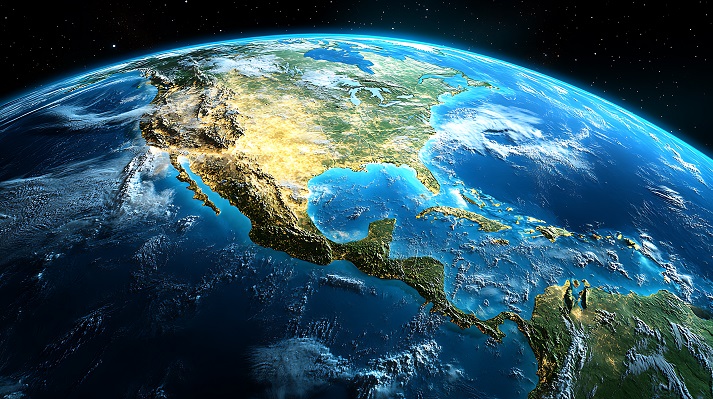
Seven Countries, One Bridge
Central America is made up of seven countries: Belize, Guatemala, Honduras, El Salvador, Nicaragua, Costa Rica, and Panama
Together, they form a natural land bridge. To the east is the warm Caribbean Sea, and to the west, the powerful Pacific Ocean
No point in this region is farther than 125 miles from the sea!
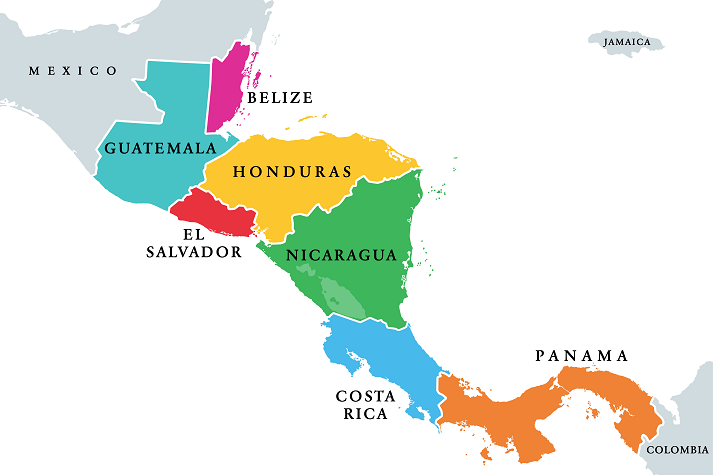
Northern edge: Belize and Guatemala border Mexico.
Southern edge: Panama connects with Colombia in South America.
Smallest country: El Salvador, about the size of New Jersey.
Largest country: Nicaragua, bigger than Pennsylvania
A Landscape on Fire and Water
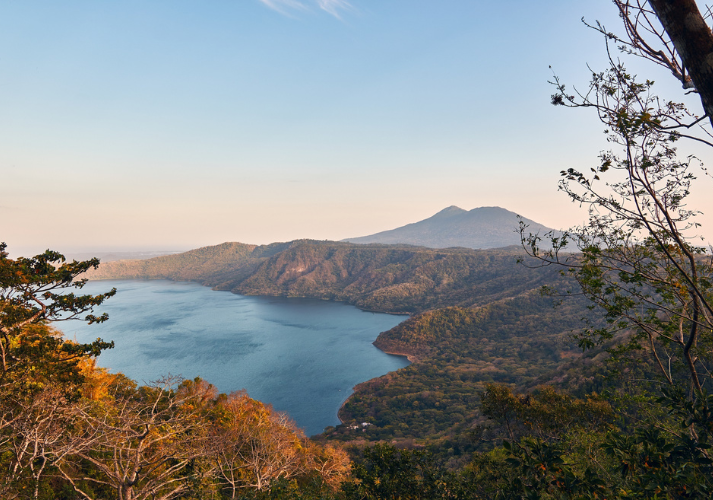
Beneath Central America lies the Ring of Fire, a chain of volcanoes stretching across the Pacific.
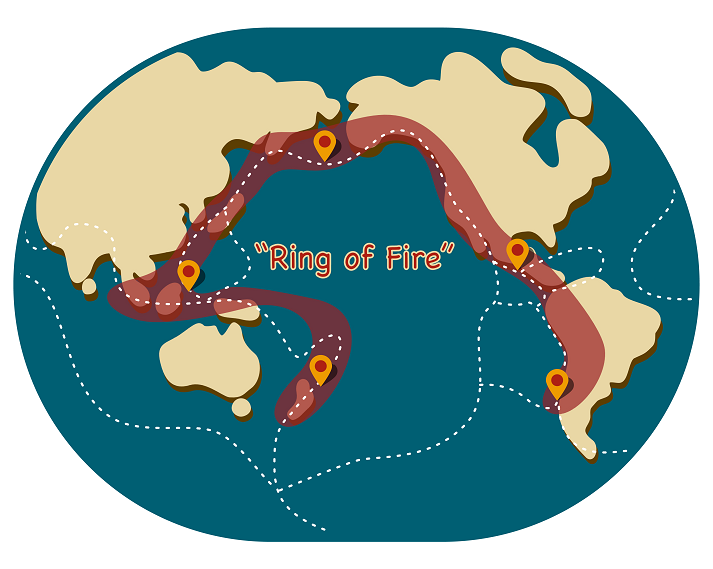
More than 200 volcanic eruptions have occurred here in the past 30 years. The tallest peak is Volcán Tajumulco in Guatemala, rising to 13,845 feet—the “roof” of Central America.
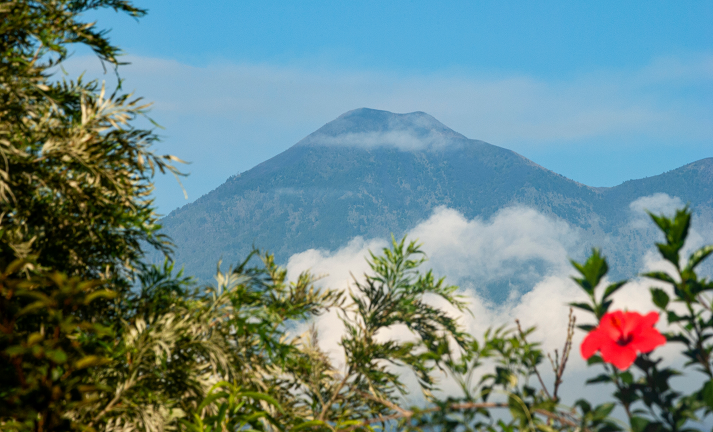
These volcanoes make the soil extremely fertile, perfect for growing coffee, bananas, and beans
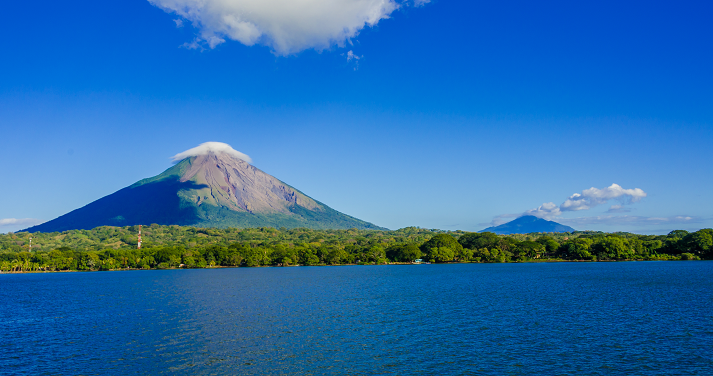
Alongside volcanoes are shimmering lakes like Lake Nicaragua, the largest in Central America, and Isla de Ometepe, a freshwater island formed by two volcanoes.
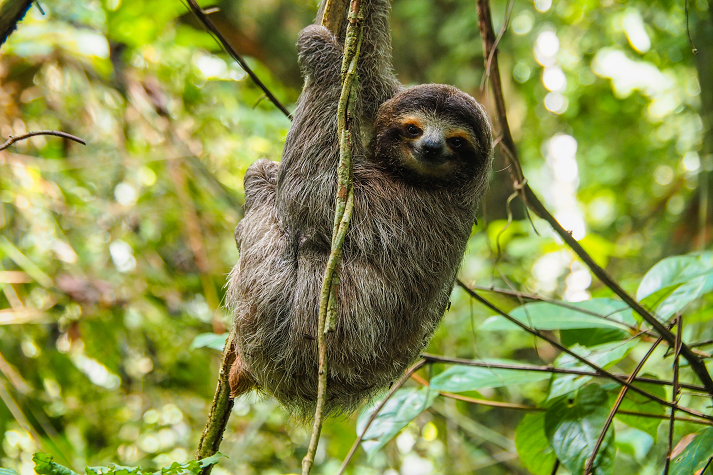
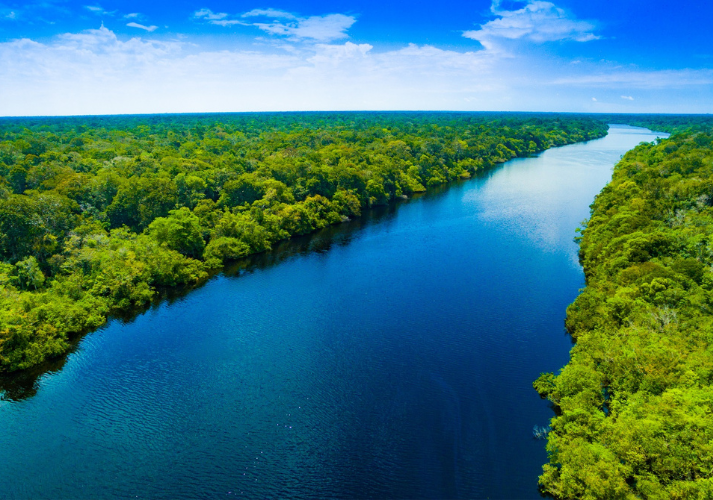
Dense rainforests, especially in Panama’s Darién region, shelter animals like sloths, ocelots, and toucans.
People and Culture
Central America is home to about 48 million people. Most speak Spanish, though Belize’s official language is English.
Indigenous peoples like the Maya, Lenca, and Kuna still carry on traditions, languages, and crafts
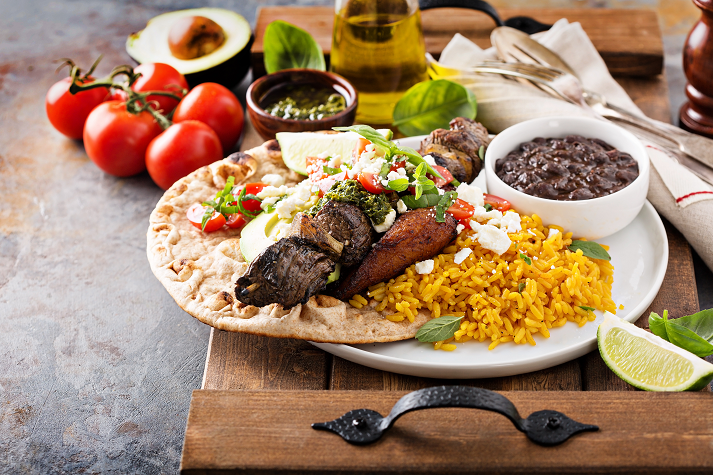
Religion is mostly Christian, but local traditions often blend with Spanish influences. Music, dance, and food—tortillas, rice, beans, and tropical fruits—are central to daily life.
A Human-Made Shortcut
Perhaps the most famous feature of Central America is the Panama Canal. Opened in 1914, this 51-mile waterway allows ships to pass between the Atlantic and Pacific without sailing all the way around South America.
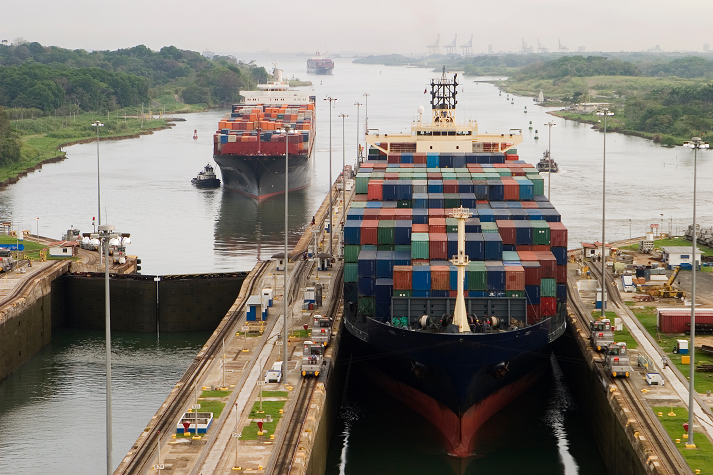
Massive locks lift and lower ships through the canal, making it one of the greatest engineering achievements in history.
Nature Under Pressure
As incredible as its ecosystems are, Central America faces challenges. Deforestation from farming and logging threatens rainforests, while urban growth pressures wildlife habitats.
At the same time, conservation efforts—such as national parks in Costa Rica and marine protection in Belize—help preserve rare species and unique ecosystems.
Why Central America Matters
Central America may appear small on a map, but it plays a significant role in connecting the world—geographically, culturally, and economically.
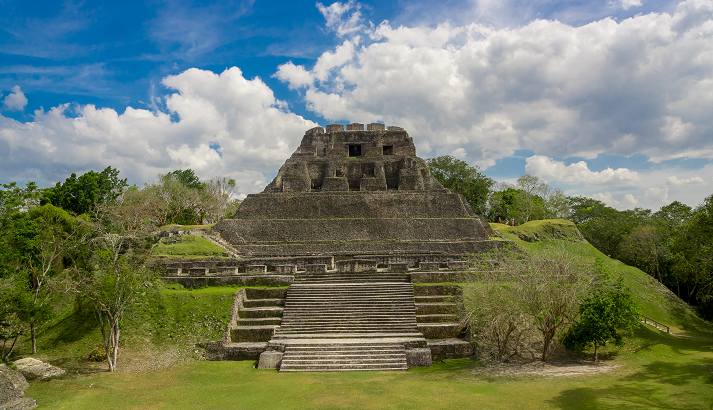
From volcanoes and rainforests to ancient Maya ruins and modern trade routes, this region shows how land and people can bridge continents.
Now that you’ve explored the geography, people, and wonders of Central America, it’s time to test what you’ve learned.
Get ready to map, identify, and challenge yourself with activities that bring this region to life in the Got It? section.

Supplies




 FAVORITE
 Like
Like