Sign Up
School Account Sign Up




The Man Who Helped Win a War… Without Fighting
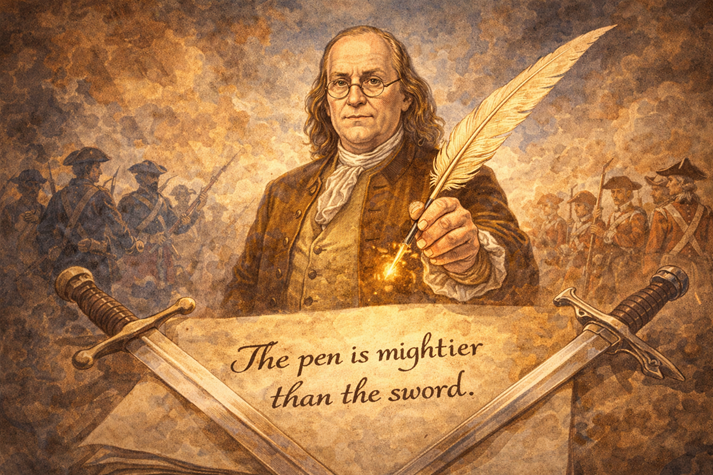
When you think about the American Revolution, you probably picture soldiers, battles, and leaders like George Washington.
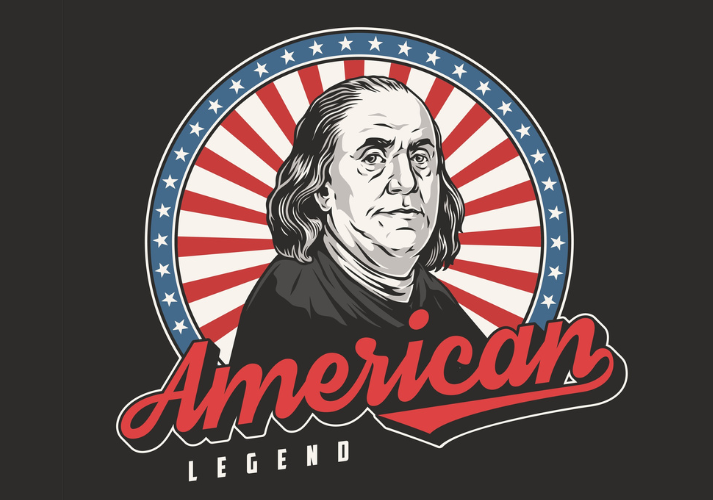
That person was Benjamin Franklin.
He didn’t fight on the battlefield—but without him, the United States might not exist today.
Let’s find out how.
From Peacekeeper to Patriot
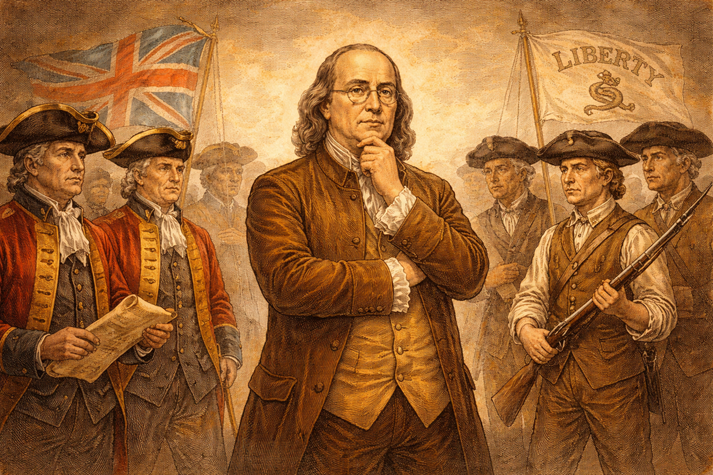
Before the American Revolution began, tensions between the American colonies and Great Britain were rising fast. Many people were angry about taxes and unfair treatment.
But Benjamin Franklin didn’t want a war.
He spent years in England as a representative for several colonies. His job was to speak with British leaders and try to solve problems peacefully. He understood both sides and worked hard to keep things calm.
He tried to:
explain colonial concerns to British leaders
encourage compromise after events like the Boston Massacre
prevent conflict before it turned into war
But things didn’t improve.
Eventually, Franklin realized that war could not be avoided.
So he made a difficult decision.
He chose to support independence.
Signing the Future
Once Franklin returned to America, he quickly became involved in shaping the new nation.
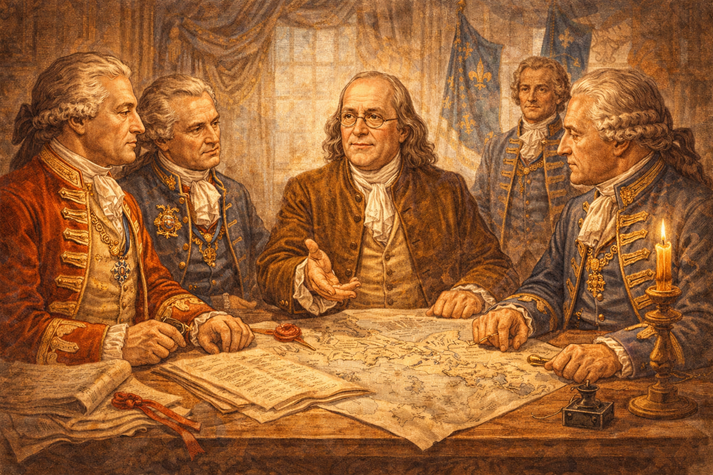
In 1776, he helped write one of the most important documents in history: the Declaration of Independence. This document announced that the colonies were breaking away from British rule.
Franklin was part of a small group that worked on the document. His experience, wisdom, and ability to compromise helped shape its final form.
He didn’t stop there.
Franklin also signed several key documents that helped create and protect the United States:
the Declaration of Independence
the Treaty of Alliance with France
the Treaty of Paris (which ended the war)
the United States Constitution
That’s four major documents connected to the birth of a nation.
The Secret Weapon: Diplomacy
Now here’s where Franklin made one of his biggest impacts.
The American colonies were up against a powerful country with a strong army and navy. They needed help.
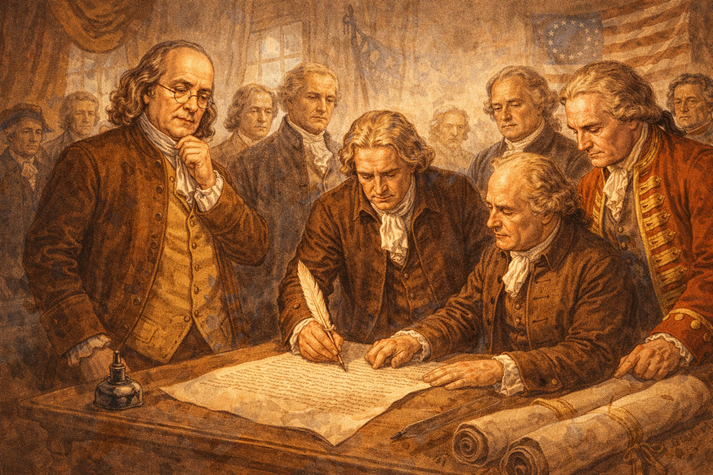
Franklin became an ambassador to France.
That means he was sent to represent the colonies and convince France to support them.
This was not easy.
He had to:
build trust with French leaders
explain why the colonies deserved support
persuade them to provide money, supplies, and military help
Franklin’s personality played a huge role. He was known for being intelligent, calm, and likable. He also had a reputation as a scientist and thinker, which made him famous in Europe.
People in France admired him.
And that helped.
Eventually, Franklin successfully secured French support. France provided money, troops, and ships—resources the colonies desperately needed.
Without that support, the colonies may not have won the war.
More Than a Messenger
Franklin didn’t just deliver messages—he shaped decisions.
He worked behind the scenes to:
keep alliances strong
communicate with leaders across countries
negotiate agreements that helped the colonies succeed
In 1783, he helped negotiate and sign the Treaty of Paris, which officially ended the American Revolution.
This treaty recognized the United States as an independent country.
That’s a pretty big outcome for someone who never led an army.
A Different Kind of Hero
Benjamin Franklin shows that not all heroes fight with weapons.
Some use:
ideas
communication
problem-solving
relationships
His work reminds you that leadership can look different—and that influence doesn’t always happen on the front lines.
Now that you’ve learned how Benjamin Franklin helped shape the American Revolution without fighting in battle, it’s time to test your understanding and explore his role more closely.

Supplies
Additional Resources
Suggested Reading


 FAVORITE
 Like
Like