Sign Up
School Account Sign Up




Could You Rise to Power Like Napoleon?
Imagine you're 24 years old, not rich, not famous, and from a small island most people forget exists. Suddenly, you're in charge of an army, and you win. Again. And again.
Then people start whispering, “Maybe this person should run the whole country.”
Napoleon didn’t just imagine it. He made it happen.
Napoleon’s Rise to Power—and What He Did With It
Early Life: From Outsider to Officer
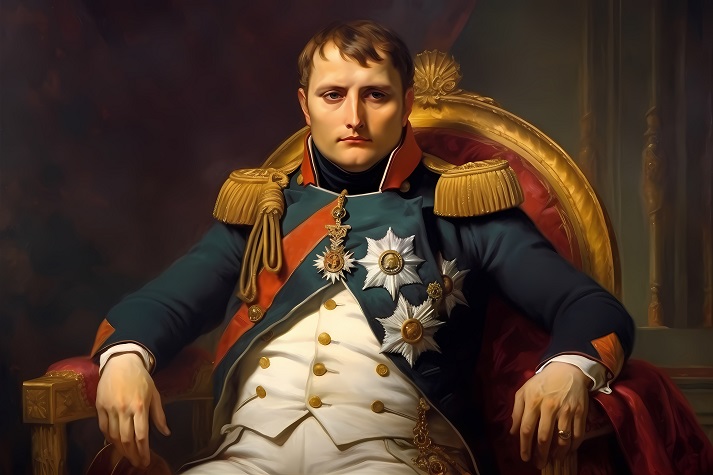
Napoleon Bonaparte was born in 1769 on Corsica, a small island in the Mediterranean Sea.
His family wasn’t wealthy, and when he moved to France to attend military school, his accent and background made him an outsider. But Napoleon didn’t let that stop him.
He studied hard, especially in math, history, and military tactics. He was determined to make a name for himself.
First Big Break: The Siege of Toulon
At age 24, Napoleon got his first chance to prove himself. During the Siege of Toulon in 1793, French forces were struggling against the British.
Napoleon devised a clever plan that led to a major victory. That success earned him a promotion to general—and it got people’s attention.
From there, he led a powerful campaign through Italy, winning battles that shocked the world. Soldiers respected his quick thinking and brave leadership.
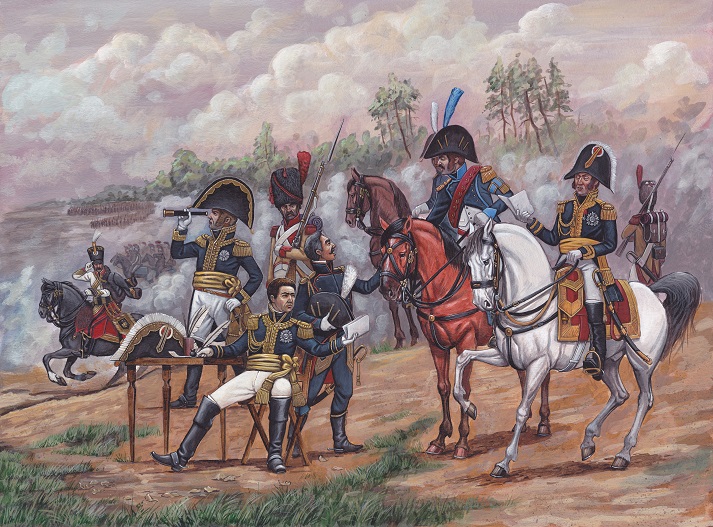
France was still recovering from the chaos of the French Revolution, and Napoleon seemed like a new kind of hero—smart, strong, and full of ambition.
Bold Moves: The Egyptian Campaign
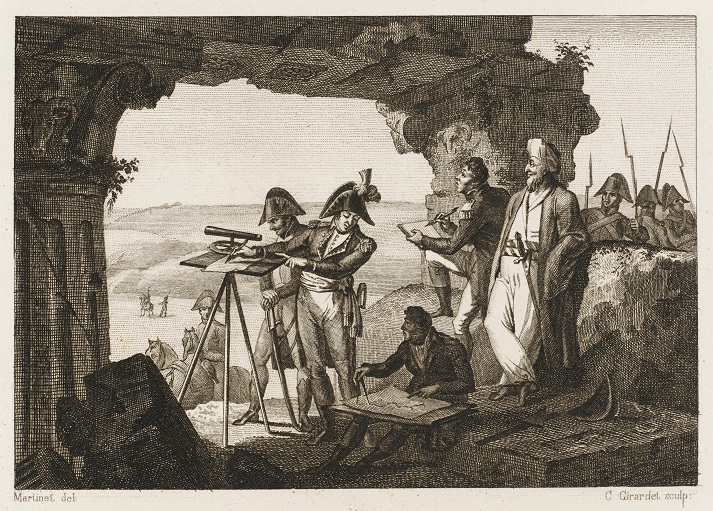
In 1798, Napoleon set out to expand France’s influence in the Middle East by invading Egypt. He brought not just soldiers, but also artists and scientists.
While he won early battles like the Battle of the Pyramids, the campaign didn’t go perfectly—he lost control of the sea to the British. But back in France, people still saw him as a brilliant leader.
Taking Control: From General to Emperor
By 1799, France’s government was falling apart. Napoleon returned home and staged a coup—a sudden takeover of power. He established a new government and appointed himself First Consul, effectively the top leader of France.
Then, in 1804, Napoleon did something bold: he crowned himself Emperor of the French. Usually, that’s the pope’s job, but Napoleon placed the crown on his own head. It was a powerful message: I answer to no one.
Ruling an Empire: What Napoleon Changed
Once in charge, Napoleon got to work. He didn’t just want to win battles—he wanted to fix France. He made significant changes that affected nearly every aspect of daily life.
The Napoleonic Code
Napoleon believed in strong laws and equal rules for everyone. He created a system of laws called the Napoleonic Code, which...
protected property rights
said all men (not women) were equal under the law
made laws clear and organized
This code influenced legal systems around the world—even in places like Latin America and the United States!
Other Reforms
Napoleon also...
reorganized the tax system to make it fairer
set up public schools to educate future leaders
rebuilt roads and improved the economy
Many people in France were happy to have order and success again.
The Warrior Emperor
Napoleon didn’t just stay in France—he wanted to expand his empire. He led campaigns across Europe, and his armies were hard to stop.
Here are ome key battles.
Battle of Austerlitz (1805): A stunning victory over Russian and Austrian forces. Many say it was his greatest win.
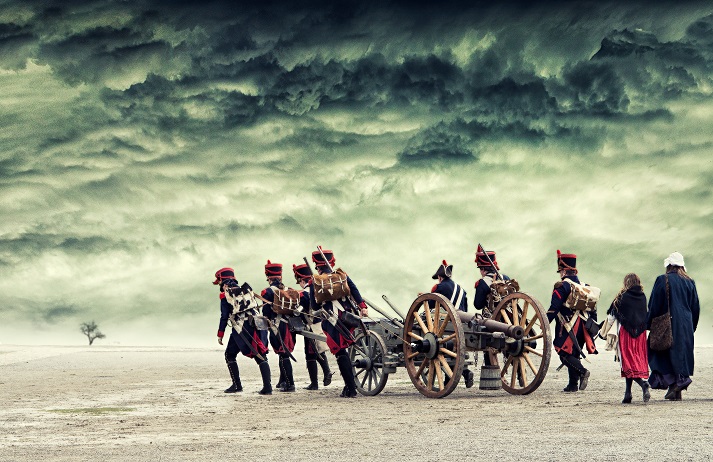
Peninsular War (1808–1814): A long, messy war in Spain. Locals fought back with surprise attacks. It hurt Napoleon’s image.
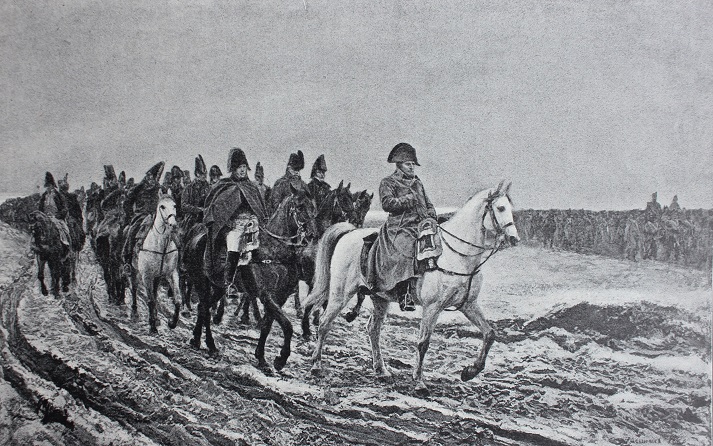
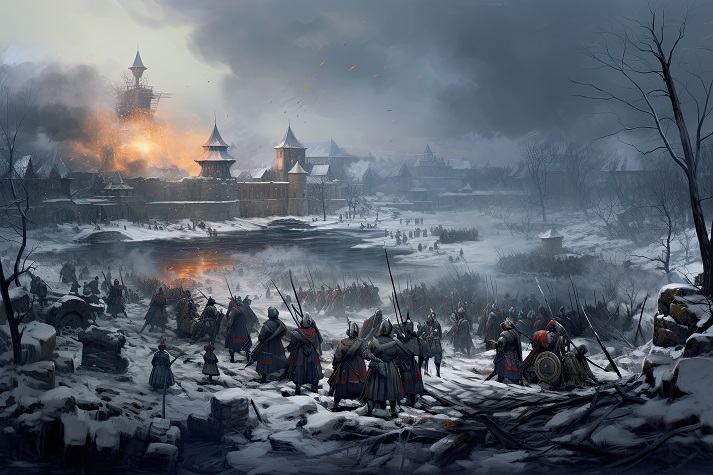
Invasion of Russia (1812): A disaster. His army faced freezing weather, hunger, and fierce resistance. Most didn’t make it home.
At first, he seemed unstoppable. However, over time, the wars took a toll on people. Other countries formed alliances to fight him. France was running out of money and support.
Lasting Impact: The Good, the Bad, and the Complicated
Napoleon’s reign had powerful effects across Europe.
Positives
He spread ideas from the French Revolution, like equality and secular government.
His Napoleonic Code became a model for the laws of other countries.
He modernized education, government, and the economy.
Negatives
His wars caused millions of deaths.
He ruled as a dictator, limiting freedom of speech and the press.
He placed family members on thrones in other countries, acting more like a king than a revolutionary.
So… How Did It All End?
In 1814, after years of war, Napoleon was forced to give up the throne. He was sent into exile—banished to an island.
However, he escaped and returned for a short time, called the “Hundred Days.” After his final defeat at the Battle of Waterloo in 1815, he was exiled again, this time to the island of Saint Helena. He died there in 1821.
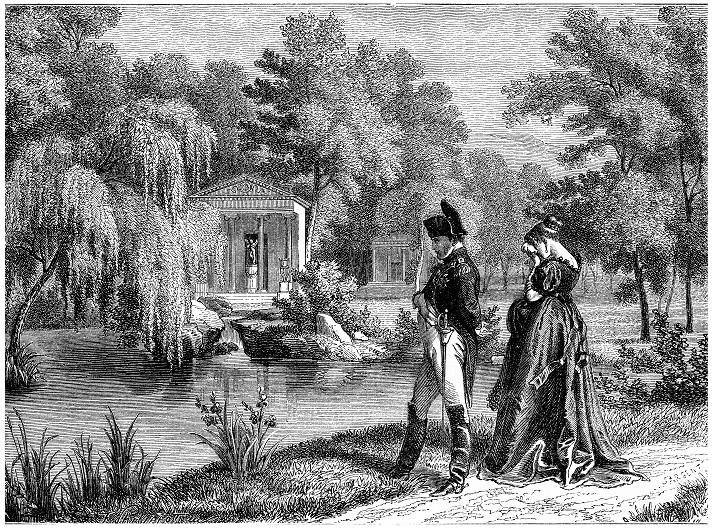
Napoleon started as a soldier and ended as an emperor who changed the world. Some people still argue about him today.
One thing’s for sure: he made history impossible to ignore.
Head to the Got It? section to examine both sides of the story and decide for yourself: Was Napoleon a hero or a tyrant?

Supplies


 FAVORITE
 Like
Like