Sign Up
School Account Sign Up

Lesson ID: 14280
Have you ever used the speed of a waterfall to determine what season you are in? If so, you probably know about Shoshone Falls in Idaho! Come explore the most beautiful waterfalls Idaho has to offer.




Idaho, of course, at the Shoshone Falls. In Twin Falls, a city in southern Idaho, you can catch a shot of the most stunning waterfalls in the United States.
Come and take a journey to Shoshone Falls and witness the unique landscape that Idaho has to offer.

Where Is Shoshone Falls?
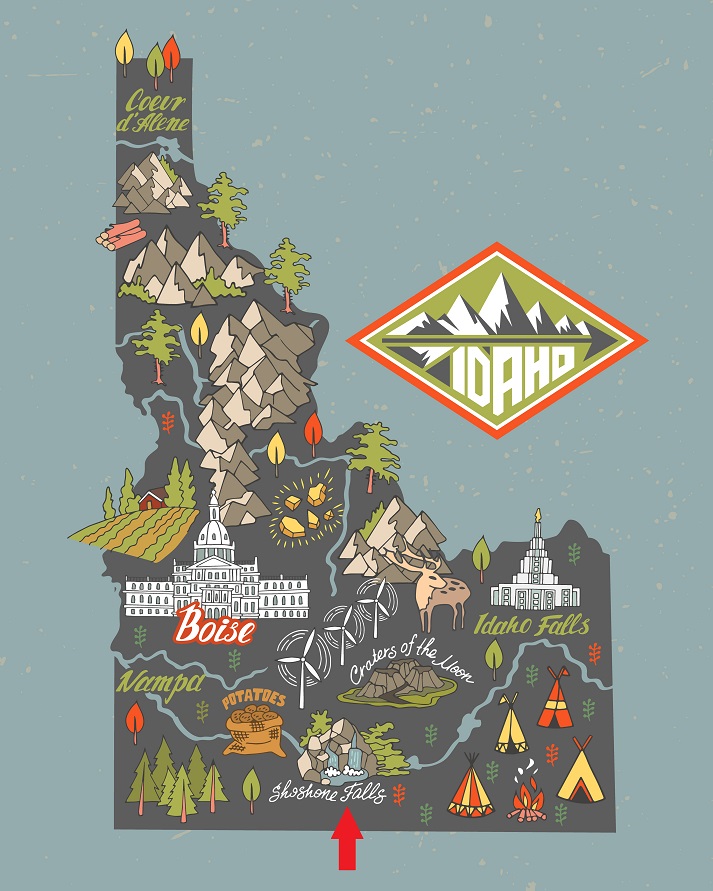
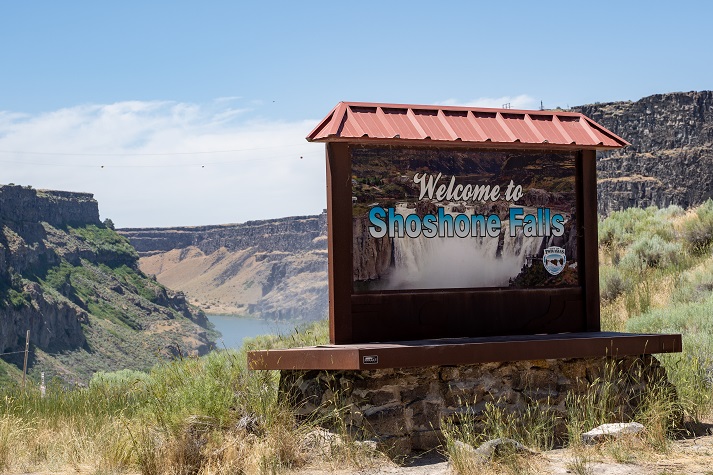
You will find Shoshone Falls in Twin Falls, a town in southern Idaho. It is one of the largest natural waterfalls in the United States. Many know of Niagara Falls, but Shoshone Falls is actually even taller!
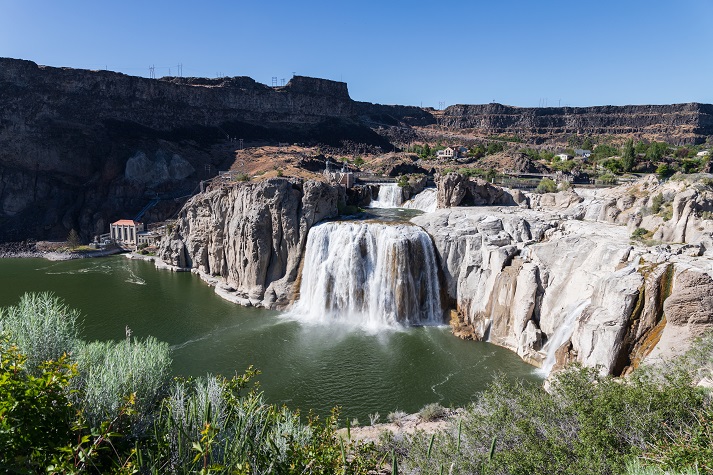
Located on the Snake River, Shoshone Falls drops 212 feet, giving way to the waterfall captured here.
When Is the Best Time To Visit Shoshone Falls?
Anytime is a good time, but the falls flow fastest in the spring because the winter snow melts and runs off. It makes the waterfall that much more beautiful to view.
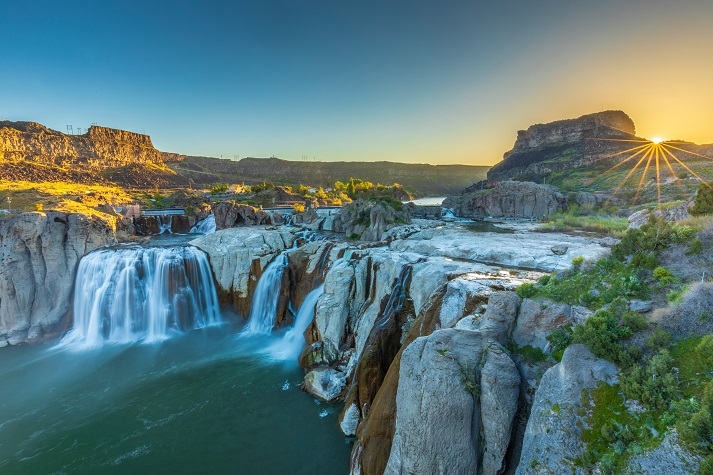
During the summer, some of the river is used for irrigation purposes, so the flow of the falls is not as strong.
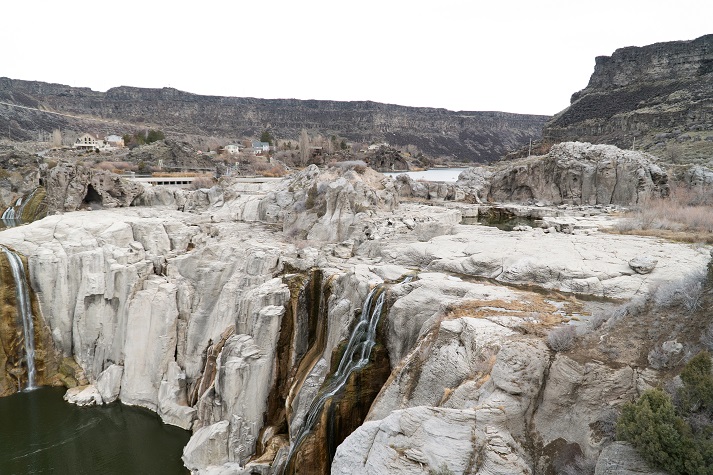
In the autumn, the falls can be dry with very minimal flow.
The Snake River is so important to this region. It must be recharged during autumn, so the falls are not as epic.
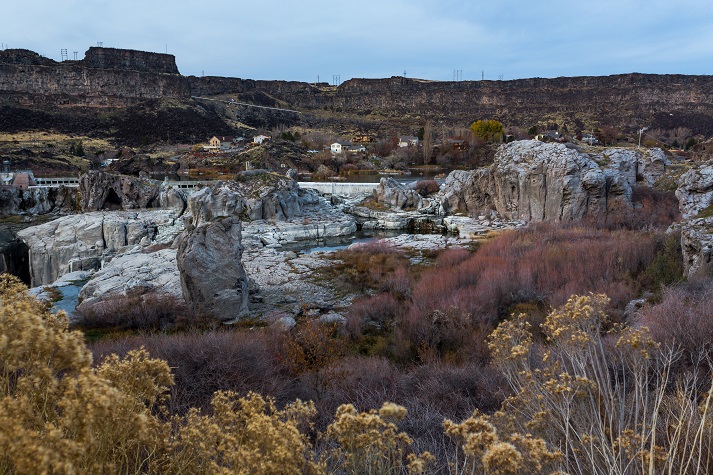
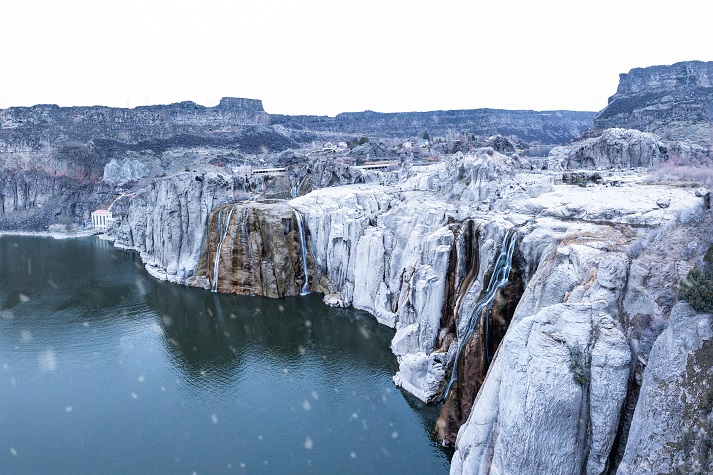
Wintertime can result in frozen or dry falls. Depending on the weather, it may not be on view to visitors.
How Long Have People Been Visiting Shoshone Falls?
It has been an important fishing and trading place for Indigenous people for thousands of years, but it has not always been a tourist attraction. In fact, the name "Shoshone" comes from the Shoshone Indigenous tribe.
As long as people have been traveling out west, there have been people going out of their way to see the Shoshone Falls. Travelers in the 1800s along the Oregon Trail would take a brief detour to visit the Shoshone Falls.
After several attempts, the Shoshone Falls were marked as a public park in 1932.
Why Is Shoshone Falls So Crucial to Idaho and the United States?
The Falls help supply water to farms, homes, and businesses, and they are part of a unique ecosystem.
The water from Shoshone Falls is used to help generate electricity through hydroelectric power. As a nation, we have come to rely on this power.
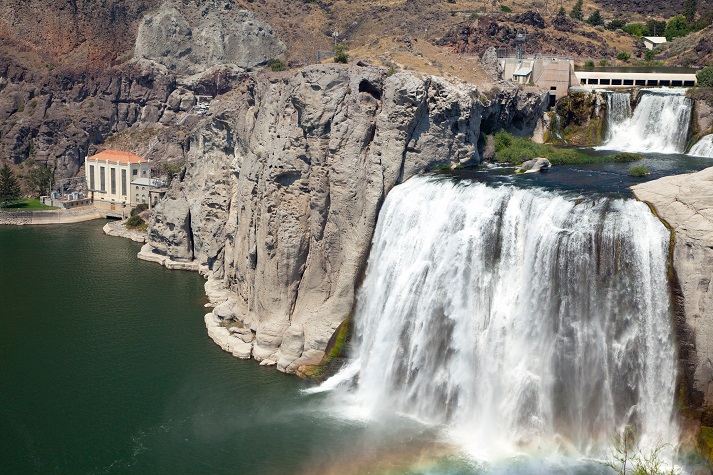
The energy of the running water of the river can be converted into electricity. The power station can harness the energy from the falls and use it to power the community.
The area around the falls is filled with lush green plants, vibrant wildflowers, and a diverse array of wildlife, making it a special place for both nature lovers and visitors. It has become a popular destination for outdoor activities such as hiking and fishing.
In fact, this river ecosystem of the falls is full of many species of fish, such as trout, bass, and sturgeon. The many fish support a variety of migratory birds and other mammals that rely on fish for food, including bears, marmots, and otters.

The moist environment of the falls also allows many plants like willows, cottonwoods, and shrubs to grow. The Shoshone Falls serve as an ecological hub, providing food, shelter, and breeding grounds for numerous wildlife species.
Understanding Shoshone Falls helps us appreciate the importance of water, nature, and conservation in maintaining Idaho's landscape and community strength.
Head to the Got It? section for fun activities and games to learn more about Shoshone Falls.

Supplies



 FAVORITE
 Like
Like