Sign Up
School Account Sign Up

Lesson ID: 11192
Discover how people turn one of the earth’s toughest environments into home! Learn how humans build smart shelters, find and save water, and invent creative ways to thrive in the desert.




Welcome to the World of the Heat Masters
Imagine living where the ground can melt your shoes by day and freeze your toes by night. Water is a treasure, shade is a luxury, and every drop counts.
For most people, the desert might sound impossible—but for many cultures and communities, it’s home.
From ancient civilizations to modern engineers, people have learned how to survive—and even thrive—in the planet’s driest places. Their secret? Creativity, cooperation, and clever design.
Explore how humans beat the heat and make life flourish where the rain forgets to fall.
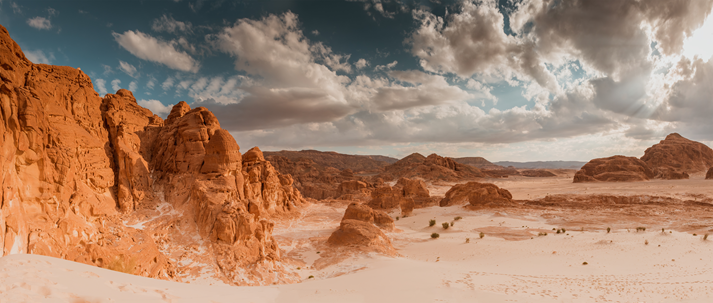
People of the Desert: Masters of Adaptation
Deserts cover about one-third of the earth’s land surface, and humans have lived in them for thousands of years.
Across the world, from the Sahara in Africa to the Sonoran in North America, people have adapted to these harsh environments in amazing ways.
Some rely on ancient wisdom, passed down through generations, while others use modern science to build cities that shimmer in the sun but keep their cool.
Here’s how humans do it.
Staying Cool Without Air Conditioning
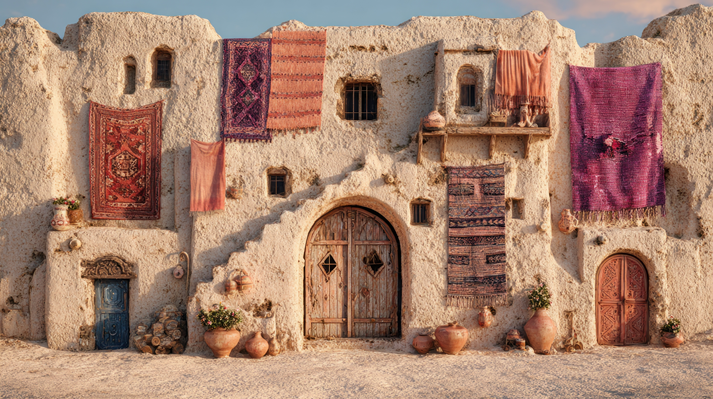
In hot deserts, shade is survival. Traditional desert homes are built to keep cool naturally.
Thick walls made of mud or clay—materials that soak up heat during the day and release it at night.
Small, high windows that block sunlight but allow air to move.
Light-colored roofs that reflect the sun instead of absorbing it.
In parts of the Middle East and North Africa, people built wind towers, tall structures that catch passing breezes and funnel them down into homes—ancient air conditioners that use no electricity!
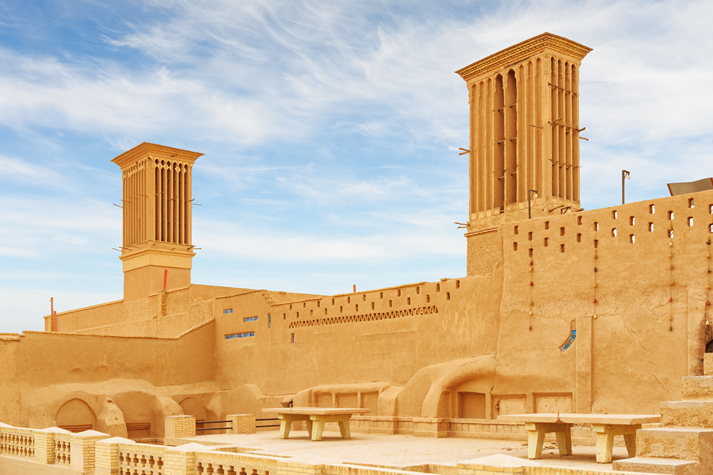
Today, architects still study these designs to create energy-efficient buildings in hot regions.
Finding and Saving Every Drop
Water is the biggest challenge in any desert. People have developed ingenious ways to find it and make it last.
Wells and underground channels: Ancient Persians dug qanats—sloping tunnels that carried cool groundwater from mountains to towns.
Rain collectors: In the Atacama Desert of Chile, people use fog nets—huge mesh panels that capture water droplets from fog.
Storage and sharing: Desert communities often store water in clay jars or community cisterns and share it carefully to make sure everyone gets what they need.
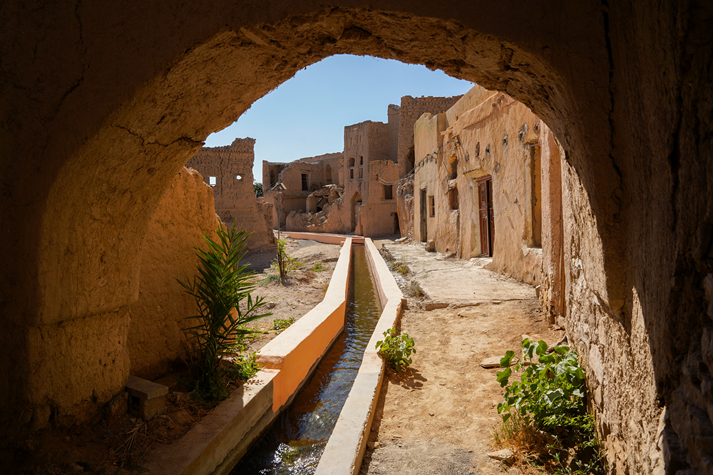
Modern cities like Dubai and Las Vegas now use technology such as desalination (turning ocean water into drinking water) and recycling systems to reuse water multiple times.
What to Wear in the Desert
Desert people don’t just survive—they’ve mastered the art of dressing smart.
Traditional desert clothing may look heavy, but it’s actually designed to protect the body from heat and sun.
Loose-fitting clothes let air flow and prevent sweat from evaporating too quickly.
Long sleeves and robes shield skin from sunburn and blowing sand.
Light-colored fabrics reflect sunlight, keeping the wearer cooler.
Head coverings, such as scarves or turbans, protect the face and eyes from glare.
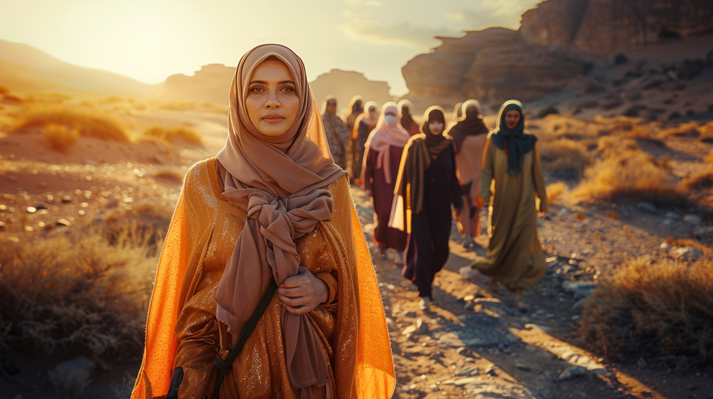
These traditions inspired modern desert gear for hikers and explorers today—proof that old ideas still work better than some new ones!
Food for the Heat
Finding food in the desert takes patience and resourcefulness. People living in arid regions have learned to use the plants and animals around them wisely.
In the American Southwest, Indigenous peoples used prickly pear cactus, mesquite beans, and agave for food and medicine.
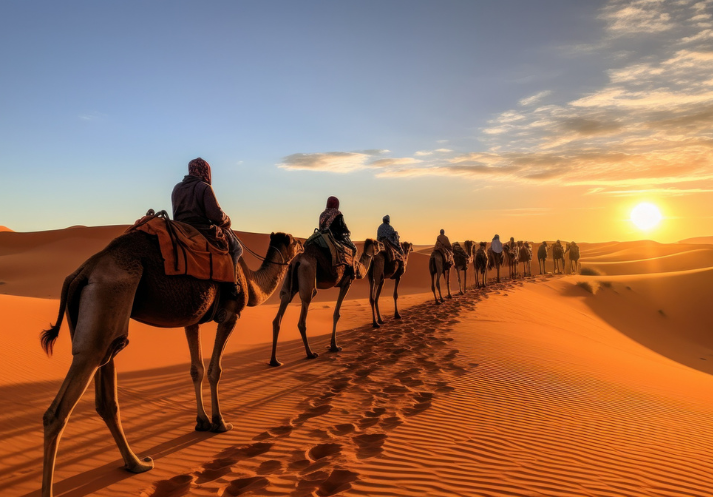
In the Sahara, nomadic tribes like the Tuareg raise camels and goats, drink camel milk, and trade dates—one of the desert’s most nutritious fruits.
Many desert plants, like cactus and aloe, store water and stay edible even when everything else dries up.
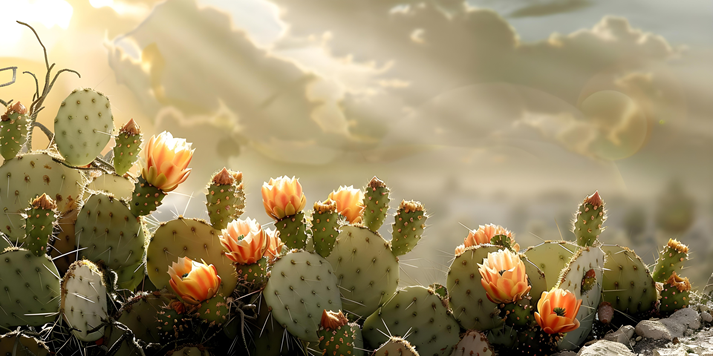
Cooking methods also conserve water—many dishes are steamed or roasted using minimal liquid and open heat.
Modern Desert Life: Technology Meets Tradition
Modern life in the desert combines ancient knowledge with high-tech innovation. Cities like Phoenix, Dubai, and Riyadh use solar power, smart irrigation, and cooling systems that mimic natural processes.
Some examples of desert technology include:
Solar panels that turn endless sunlight into clean energy.
Drip irrigation systems that deliver water directly to plant roots.
Desert greenhouses that grow vegetables using recycled water.
Engineers even study camel fur and cactus spines to design better cooling materials and water collectors!
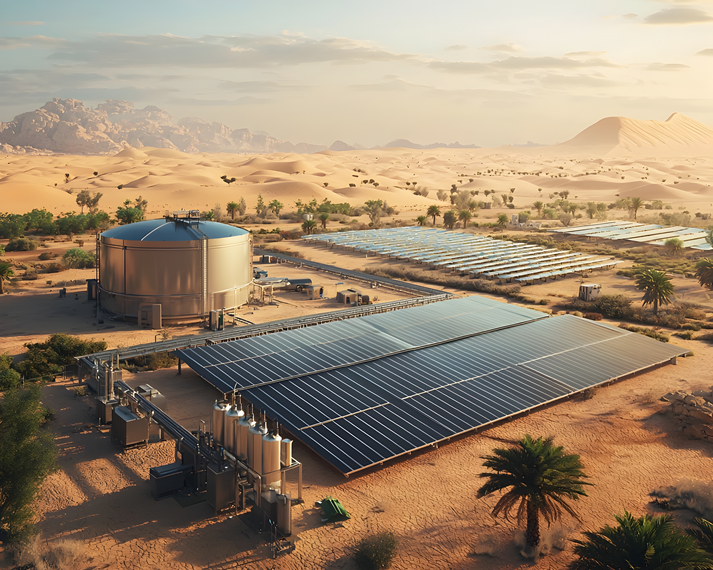
Living in Harmony With Nature
Surviving the desert isn’t about fighting it—it’s about working with it. Many desert cultures live sustainably, taking only what they need and respecting natural cycles.
The Bedouin of the Middle East move with the seasons to find grazing lands for their animals.
Indigenous peoples of the Sonoran Desert build homes near shade trees and harvest desert plants without harming them.
Modern conservationists study these traditions to protect fragile desert ecosystems today.
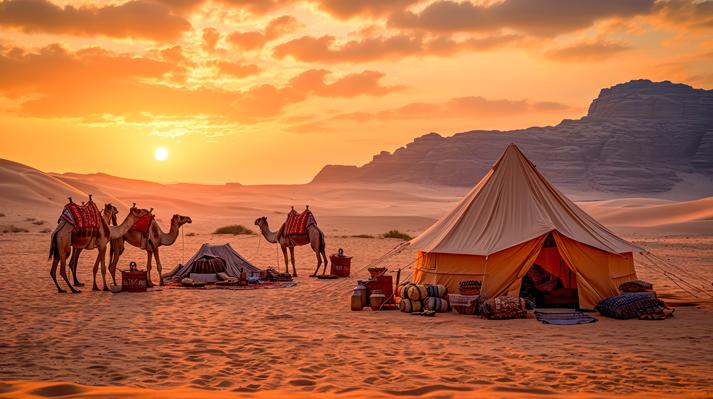
The desert may look empty, but it’s alive—and people have learned to be part of its rhythm, not its rival.
Could You Survive There?
Think about it: could you handle days of blistering heat, limited water, and sandstorms?
Desert life demands planning, creativity, and teamwork. Every shelter built, every drop saved, every clever tool invented shows how human ingenuity can turn challenge into opportunity.
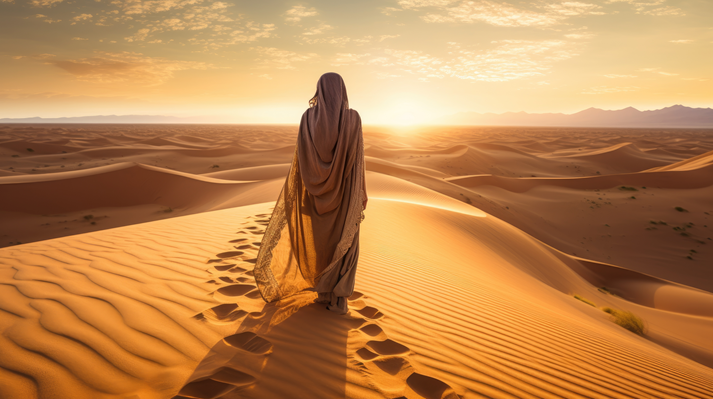
Now that you’ve explored how humans have learned to thrive in the desert, it’s time to see what you would do.
In the Got It? section, you’ll test your knowledge, solve survival challenges, and design your own ideas for living smart in the driest places on the earth.

Supplies
Additional Resources




 FAVORITE
 Like
Like