Sign Up
School Account Sign Up

Lesson ID: 13859
Explore how true stories can read like powerful narratives as you analyze speeches and write your own literary nonfiction.





Historical documents are important sources of information for verifying and understanding what happened in the past. They make up the historical record.
Sometimes, these documents include court transcripts or official forms like birth and death records.
Sometimes, they are more artistic, expressive, or even personal!
In this lesson, explore a type of historical text that combines important historical details with literary narrative.
Keep reading to find out more!
Literary nonfiction is a type of nonfiction, which means the information in it is true. What makes it different from traditional informational texts is how it is written.
Instead of reading like a textbook or reference source, literary nonfiction reads more like a story or a novel.
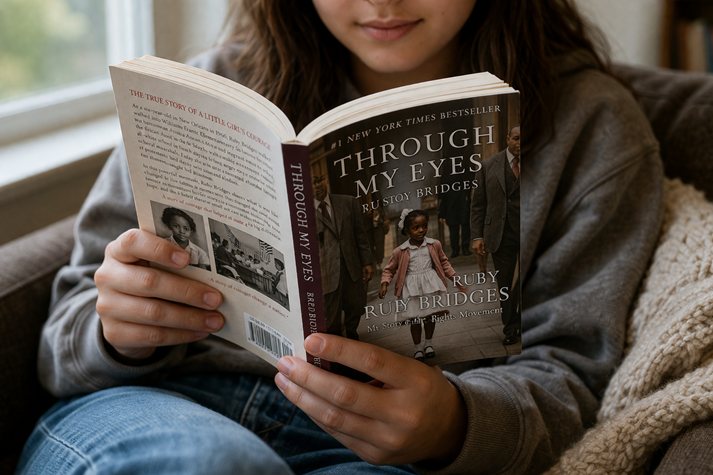
In literary nonfiction, events are often presented in chronological order, meaning they are told in the order they actually happened. This helps create a clear narrative that feels more engaging and story-like.
Unlike informational texts, literary nonfiction does not always include features such as glossaries, headings, sidebars, or visuals like maps, timelines, and diagrams.
While some texts may include photographs, many rely primarily on strong writing to convey meaning and draw the reader in.
There are several common types of literary nonfiction.
A biography tells the story of a person’s life, written by someone else.
An autobiography is also the story of a person’s life, but it is written by the person themselves.
A memoir focuses on a specific part or moment in a person’s life rather than covering their entire life.
Literary nonfiction can also focus on groups of people or important historical events. Even though the information is factual, these texts often include elements like description, suspense, and emotion, making them feel similar to fiction.
Compare and Contrast
As you read through this lesson, complete the Literary Nonfiction T-Chart found under the Downloadable Resources in the right-hand sidebar with the elements you notice that are similar to traditional fiction and nonfiction.
Tone and Theme
Two important elements that you'll be considering in your analysis of these texts are tone, the author's attitude (expressed in the way that they write), and the theme, which is the message the author wants the reader to receive.
Examples of tone words are:
Examples of themes could include:
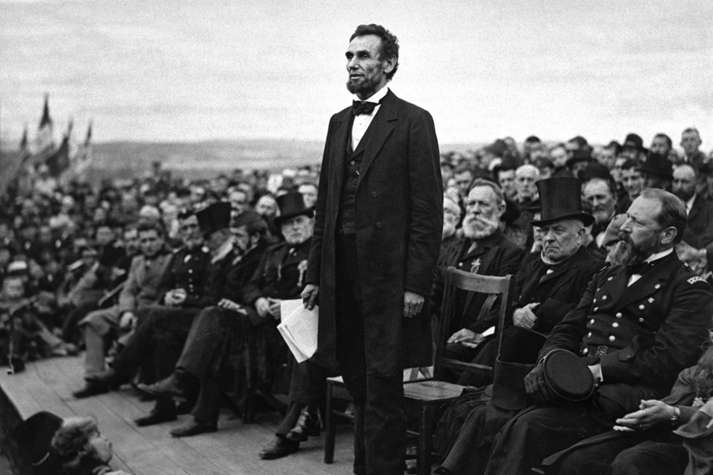
Read the following historical nonfiction excerpt and answer the questions that follow.

Continue examining literary nonfiction in the Got It? section.


 FAVORITE
 Like
Like