Sign Up
School Account Sign Up

Lesson ID: 13803
Dive into the dramatic lead-up to the American Revolution! Explore key events, understand both British and colonial perspectives, and debate the famous cry, "No Taxation Without Representation!"




Imagine living in a place where all the rules that govern your life are made by people thousands of miles away. You have no say in these rules, but you're expected to follow them and pay hefty taxes for the privilege.
That's how the American colonists felt under King George III and the British Parliament.
Every time the colonists turned around, a new law or tax existed. They were told to pay more for tea, paper, and even playing cards! And to top it all off, they had no representatives in Parliament to speak on their behalf.
It was like being grounded by your parents for no reason and not even being allowed to argue your case.

As the grumbling grew louder, a question began to echo through the colonies.
This growing unhappiness would soon light the spark that led to a revolution.
Get ready to explore the significant events and key players that set the stage for the birth of a new nation!
Parliament
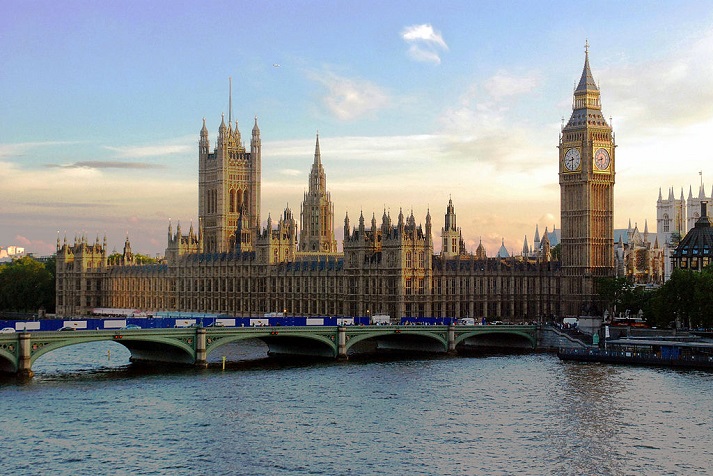
In the 1700s, England's government was unique compared to many other monarchies.
While the King of France could do whatever he wanted with the country's money and resources, the British monarch had much less power. Thanks to the Magna Carta, signed in 1215, the law bound the British monarch.
This meant that even the King had to follow the rules and could be held accountable for any crimes.
As the years passed, England's government became more limited and was increasingly controlled by Parliament rather than the King. But don't picture this Parliament as a democratic body like a modern-day Congress. Instead, it was more like an exclusive club comprised of wealthy British citizens from various parts of the country.
War Debts
The American Revolution didn't just pop out of nowhere. It was a long, slow build-up, with both the British and the colonists having their reasonable points of view.
Often, the British are painted as villains in movies and TV shows, but the reality is more complicated. The British began raising taxes on the colonists for a convenient reason: money.
They had just finished fighting the expensive Seven Years' War (also known as the French and Indian War) and were worried about future conflicts with Spain or Native American tribes. Protecting the colonies wasn't cheap!
To pay off these war debts and fund their military presence in the colonies, the British government introduced several new taxes on everyday items like tea, paper, and glass.
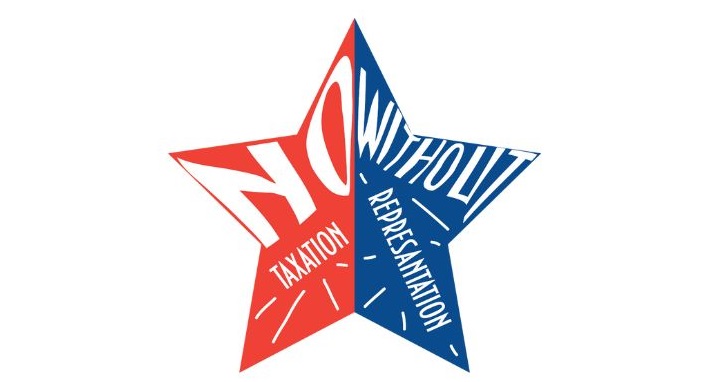
The colonists were furious. Since they had no say in these decisions, they had no representatives in Parliament. This led to the famous rallying cry, "No taxation without representation!"
They believed it was unfair to be taxed by a government in which they had no voice. This slogan became a powerful symbol of their fight for justice and self-governance.
Watch the following video for more context.

After fighting a brutal civil war in the 1600s, Parliament was cautious about expanding the number of representatives beyond the British Isles. They didn't want to risk losing their power by adding more voices.
Boston Massacre
Tensions were high in 1770 after the colonists boycotted British goods in response to the Townshend Act. The British reacted by sending troops to occupy Boston, showing they meant business.
But things took a dark turn on March 5, 1770, when British soldiers fired on a crowd, resulting in what became known as the Boston Massacre.
This tragic event was crucial because it dramatically escalated the conflict between the colonists and the British. The killing of five colonists by British soldiers shocked and angered people across the colonies.
It was widely publicized and used as powerful propaganda by leaders like Samuel Adams and Paul Revere, who depicted the British soldiers as ruthless killers.
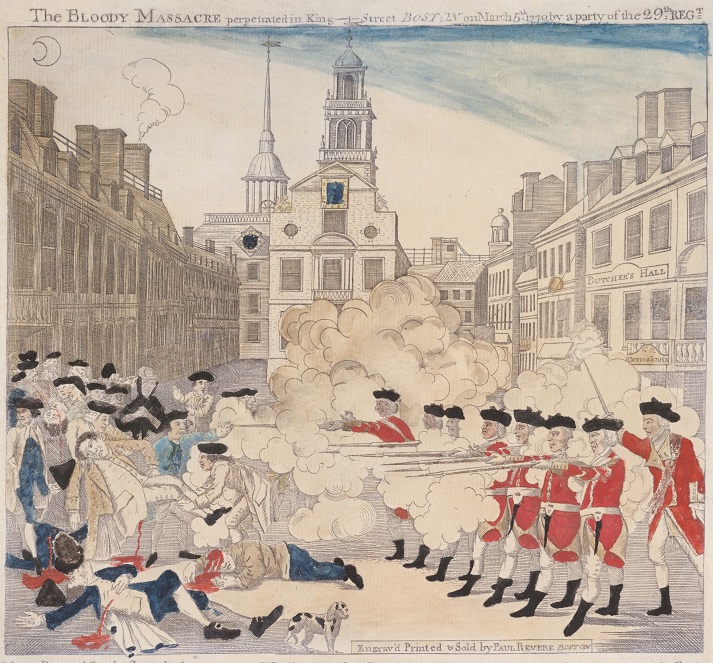
This portrayal helped to unite the colonists against what they saw as a violent and oppressive British regime.
The Boston Massacre highlighted the growing divide between the colonists and the British government, making it clear that tensions were reaching a boiling point. It fueled the colonists' desire for independence and set the stage for further revolutionary actions.
Tea Act
By 1773, the British East India Company was struggling financially and had a massive surplus of tea. The British government decided to help the company by passing the Tea Act.
This act allowed the East India Company to sell its tea directly to the colonies, bypassing colonial merchants and selling it at a lower price, even with the tax included.
The British thought this was smart because it would make tea cheaper for the colonists while helping the struggling company. However, the colonists saw the Tea Act as another example of British tyranny.
Even though the tea was cheaper, they were still taxed without representation. The act also threatened the business of colonial merchants, who had been cut out of the tea trade.
This led to widespread anger and resistance, culminating in the famous Boston Tea Party, where colonists dumped an entire shipment of tea into Boston Harbor as a protest.
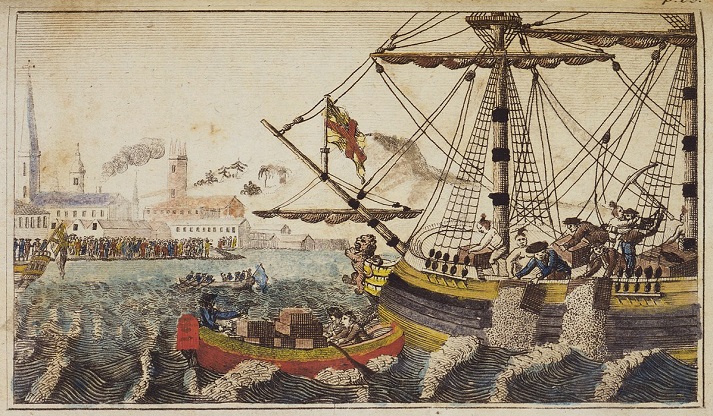
This act of defiance pushed the British government to impose the Intolerable Acts in 1774, which included harsh measures like martial law and troop quartering.
By 1774, the relationship between the colonists and the British government had reached a breaking point. The colonists felt their rights were being trampled, and the British were determined to keep control.
Watch the video below to review what you just learned quickly.
The relationship between the colonists and the British was complex, eventually leading to the revolutionary clash.
Continue exploring both perspectives in the Got It? section to understand why the road to the American Revolution was rocky and significant.

Supplies
Additional Resources





 FAVORITE
 Like
Like