Sign Up
School Account Sign Up

Lesson ID: 13313
Meet the only English king called “Great”—Alfred! He battled Vikings, saved his kingdom, loved books, and helped shape the England we know today.




Who Was Scolded Like a Servant… But Was Actually a King?
Imagine this: A woman storms into her kitchen and finds the oatcakes she left baking completely burnt.

Furious, she turns to the lazy man who was supposed to watch them and shouts, “You’ll be happy enough to eat them, but you can’t even watch them? Lazy dog!”
But here’s the twist—she had no idea the man she was yelling at was actually the King of England!
Meet Alfred the Great. Before he became a famous king, he was a boy who couldn’t read.
That changed the day his mother promised to give a beautiful book of poems to whichever of her sons learned to read first. Alfred raced to find a teacher and worked hard until he could claim the book as his prize.
Years later, after many battles with the fierce Viking invaders called Danes, Alfred had to hide in disguise in a poor man’s cottage. That’s where the cake-burning incident happened—and yes, it’s a true story told for generations!
Who Was Alfred the Great?
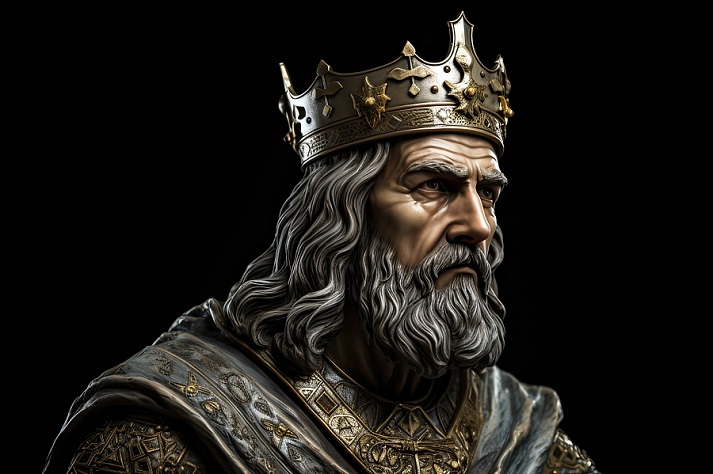
Alfred became King of Wessex in 871, a kingdom in the southwest of what we now call England. At the time, England wasn’t a single country—it was a collection of smaller Anglo-Saxon kingdoms.
Alfred didn’t start out expecting to be king. He was the youngest of six brothers, but after the deaths of his older siblings, he inherited the throne.
Alfred ruled Wessex from 871 to 899 and became known as Alfred the Great—the only English monarch with that title.
Because he wasn’t just a warrior or a ruler. He was a thinker, a reformer, a builder, and a champion of learning.
Explore what made him so great.
Saving Anglo-Saxon England
When Alfred became king, most of the Anglo-Saxon kingdoms had already fallen to a massive Viking army called the Great Heathen Army. Kingdoms like Northumbria, East Anglia, and Mercia were overrun. Only Wessex remained.
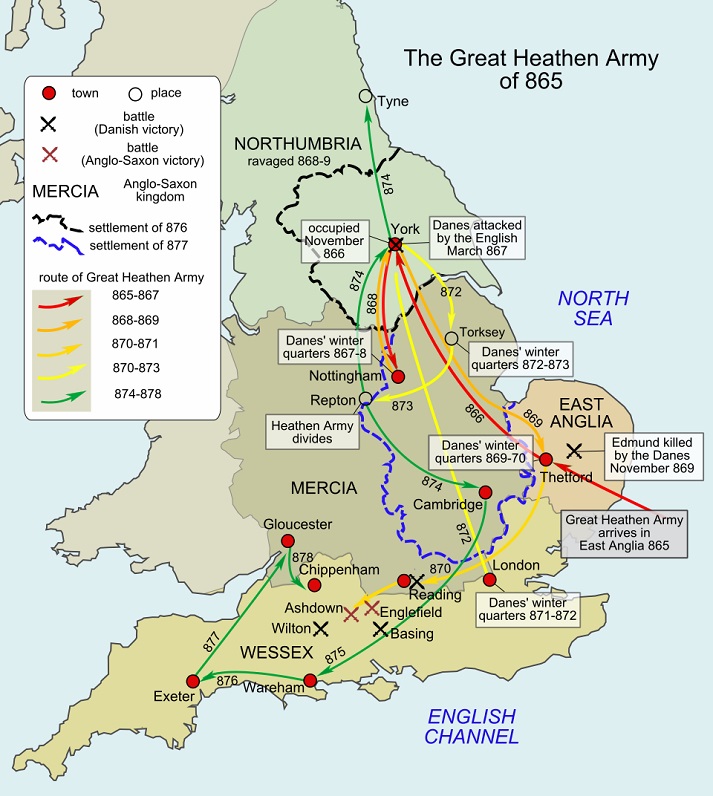
In 878, Alfred led a surprise attack against the Vikings at the Battle of Edington and won. This battle was a turning point—it stopped the Vikings from taking over all of England.
The Viking leader, Guthrum, agreed to a peace treaty and even converted to Christianity.
To protect his kingdom from future invasions, Alfred built a network of fortified towns, called burhs, and organized a navy—one of the earliest in English history. These strategies helped defend the people and land long after the battle ended.
Hiding in the Marshes
Before his great victory, Alfred had to go into hiding. The Vikings launched a surprise attack at Chippenham, and Alfred narrowly escaped. He spent the winter hiding in the marshes of Somerset, on a small island called the Isle of Athelney.
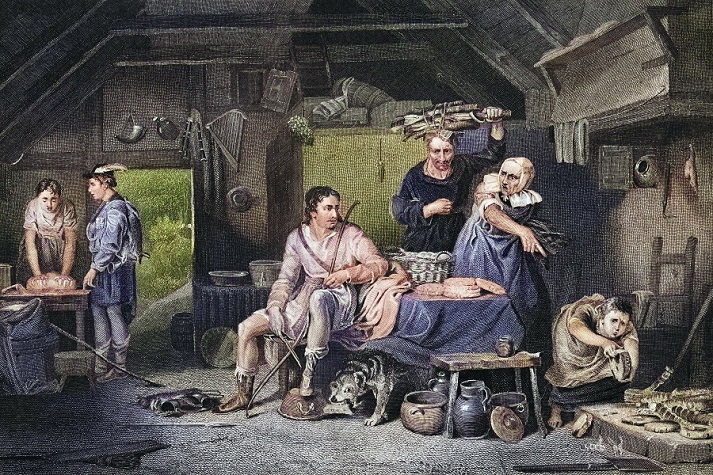
It was during this time that the famous story of the burnt cakes happened. Disguised as a poor traveler, Alfred stayed in a cowherd’s cottage.
While thinking deeply about how to save his kingdom, he let some cakes burn. The cowherd’s wife scolded him, not knowing she was yelling at the king!
Ruler of All the Anglo-Saxons
In 886, Alfred recaptured London from Viking control and declared himself King of the Anglo-Saxons.
He didn’t just rebuild the city—he restored law and order across the land. His leadership laid the foundation for a united England, which would come together fully under his descendants.
A King Who Loved to Learn
Even though Alfred didn’t learn to read until he was twelve, he became one of the most educated and thoughtful rulers in English history. He valued learning, reading, and wisdom, and he believed that education should be available to more than just priests and monks.
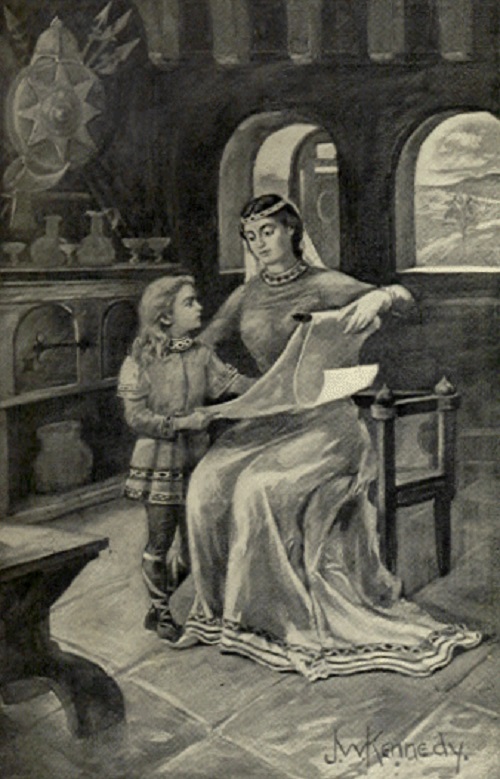
Alfred translated important books from Latin into Old English (the language spoken by his people) and invited scholars to his court. He encouraged the nobles and even ordinary free men to learn how to read and understand the laws.
One of the most important books of English history—the Anglo-Saxon Chronicle—was first written during Alfred’s reign.
Justice, Faith, and Reforms
Alfred didn’t just lead with swords and soldiers. He reformed laws, making them fairer and clearer for everyday people. He combined parts of older legal codes with Christian values to create a more just society.
His deep Christian faith guided his rule. He believed that a good king must care for the souls and lives of his people. He saw himself not only as a warrior king but as a servant of God and protector of the weak.
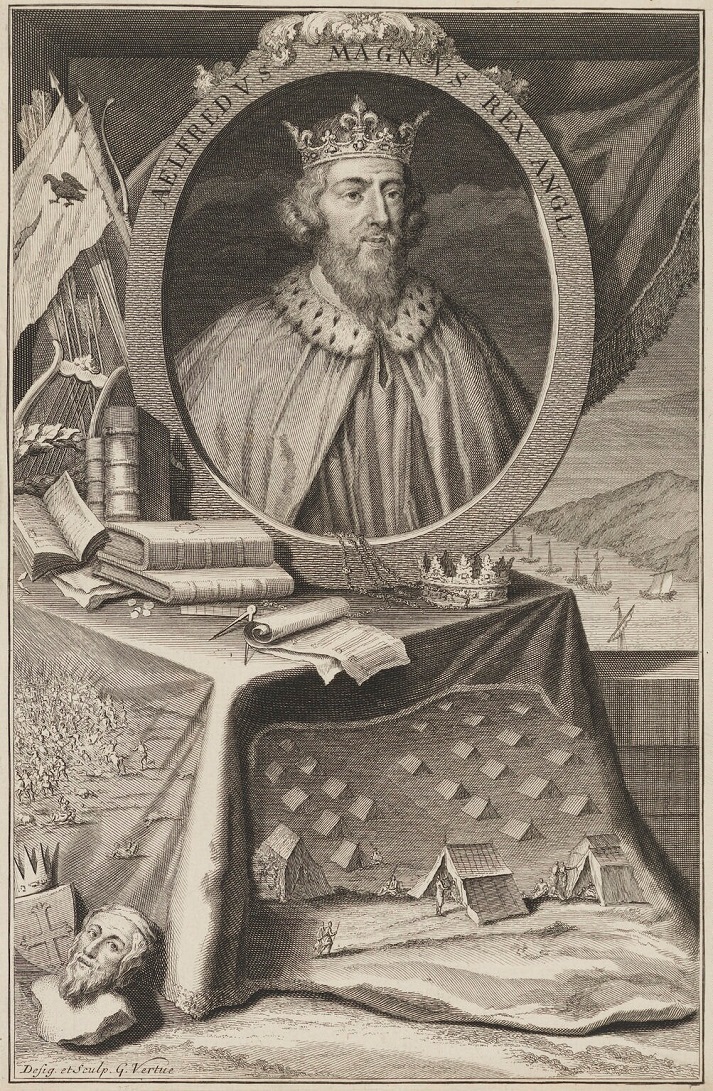
Why Is Alfred Called “The Great”?
Alfred earned the title “the Great” for several reasons.
He saved Wessex and eventually much of England from Viking conquest.
He rebuilt cities and organized a strong military defense.
He reformed laws and encouraged justice.
He promoted education, literacy, and scholarship.
He ruled with wisdom, humility, and faith.
He wasn’t just a fighter—he was a thinker, a builder, and a teacher.
Ready to See What You Remember?
Now that you’ve learned why Alfred is remembered as one of England’s greatest kings, it’s time to test your knowledge!
Head to the Got It? section to review, reflect, and explain what you’ve learned.

Supplies


 FAVORITE
 Like
Like