Sign Up
School Account Sign Up

Lesson ID: 13127
Run with messengers, fight in the shade with Spartans, and sail into battle as you discover the epic Greek wars!




A Race That Changed History
Picture yourself running across rocky hills, your legs burning, your lungs on fire. Every step matters because the fate of your city rests on your speed.
This was the reality in 490 BC for Phidippides, the Athenian runner sent to Sparta to beg for help against the invading Persian army. He ran for days, covering nearly 150 miles, only to return with crushing news: the Spartans couldn’t march until after the full moon.
But legend says that on his lonely return, Phidippides encountered the wild god Pan. Pan promised that Athens would win at Marathon if they honored him afterward.
True to the prophecy, the Athenians—though outnumbered—crushed the Persians at the Battle of Marathon. That victory not only inspired the modern marathon race but also lit the spark of Greek pride and determination.
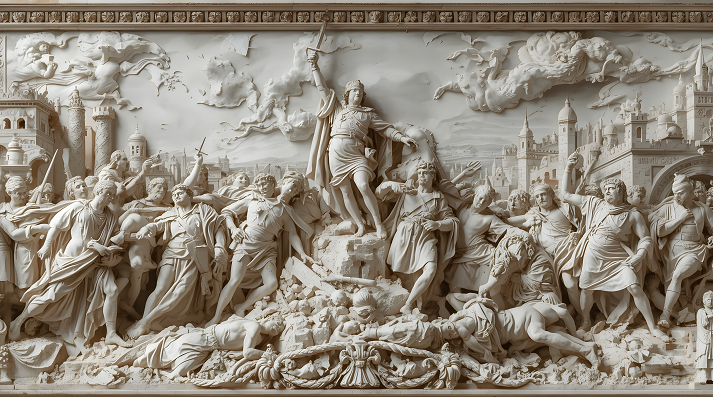
The “Hot Gates” of Thermopylae
Ten years later, King Xerxes of Persia stormed into Greece with an army so massive that ancient writers claimed their arrows could block out the sun.
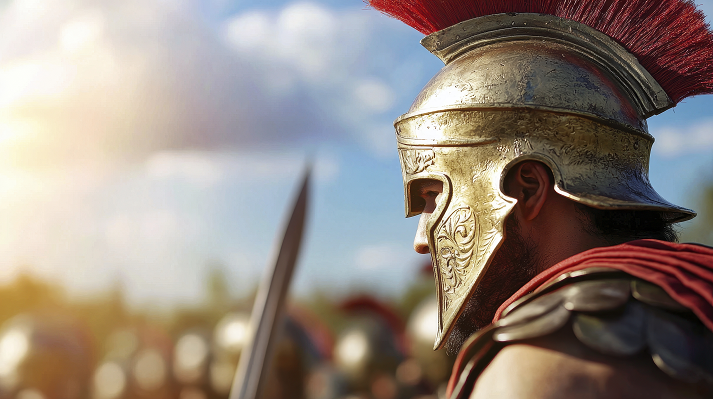
At the narrow mountain pass of Thermopylae—called the “Hot Gates” because of its steaming springs—King Leonidas of Sparta and about 7,000 Greek soldiers stood in their way. For days, the Greeks held off the Persian tide, their armor and close combat training proving superior.
When a Greek traitor revealed a hidden path that allowed the Persians to attack from behind, Leonidas dismissed most of his allies and prepared for the end.
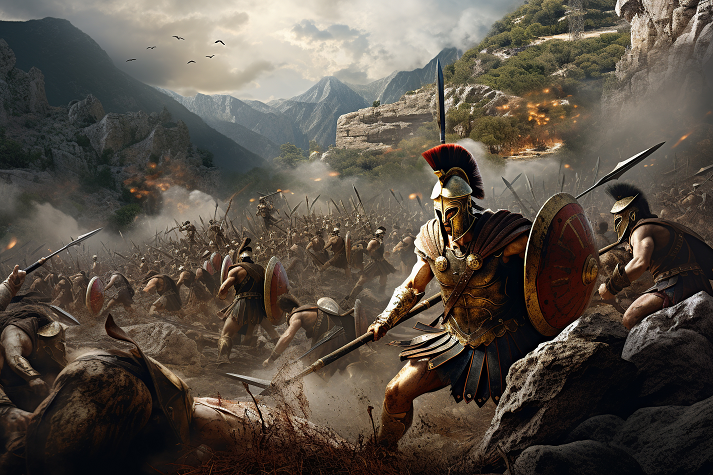
He and 300 Spartans fought to their deaths. One Spartan even joked, “If the Persians’ arrows blot out the sun, then we will fight in the shade.” Their defiance turned Thermopylae into a legend—not a victory, but a symbol of courage and sacrifice for freedom.
Fire and Ashes in Athens
After Thermopylae, Xerxes pushed on. Athens was evacuated, its people fleeing to safety, but the Persians burned the city to the ground.
Xerxes believed he had won. Yet one last card remained in Greece’s hand—the navy, commanded by the clever general Themistocles.
Clash at Sea: The Battle of Salamis
Themistocles tricked Xerxes into sending his massive fleet into the narrow straits of Salamis, where the Persians’ numbers counted for nothing.
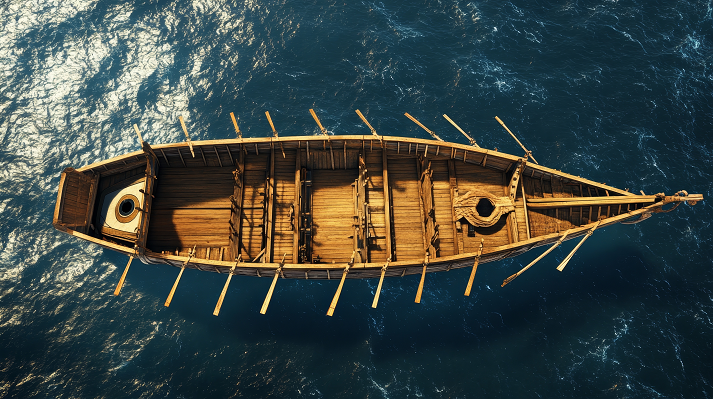
The smaller, faster Greek triremes—warships with three rows of oars—rammed into the Persians. Confusion and chaos spread as Persian ships crashed into one another. From his throne on a hillside, Xerxes watched in horror as his fleet was smashed and his sailors drowned.
Defeated, the “King of Kings” retreated, leaving behind a smaller army to fight on.
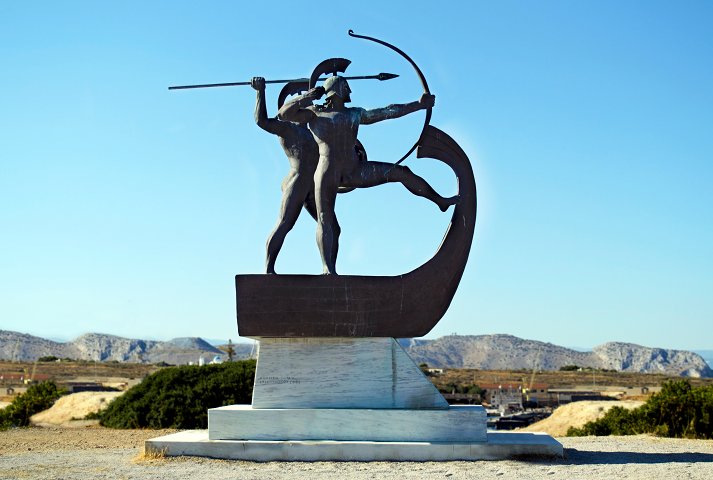
The Final Blow: Plataea
The following year, at the Battle of Plataea, the Greeks united again to crush the remaining Persian forces. The Persian general Mardonius was killed, and his army was destroyed. Greece was saved.
Brothers Turned Foes
You might think the story ends with unity and peace—but it doesn’t.
After their victory, Athens and Sparta began to mistrust each other. Athens grew powerful at sea, while Sparta dominated on land. Eventually, the two allies turned on each other in the long and bitter Peloponnesian War.
Greek unity, which had saved them from Persia, was shattered.
You’ve just marched through some of the most dramatic moments in history—marathons, betrayals, last stands, and clever tricks at sea. Now it’s your turn to step into the sandals of these warriors and leaders.
In the Got It? section, you’ll test what you’ve learned and see how well you can retell the story of Greece’s fight for survival.

Supplies
Additional Resources
Suggested Reading


 FAVORITE
 Like
Like