Sign Up
School Account Sign Up

Lesson ID: 13085
Play Athens vs. Sparta, explore their rival ways of life, and decide which city-state you’d call home!




Athens or Sparta? Pick Your City!
It’s time to play “Was it Athens or Sparta?” Imagine you’re on a game show stage, the lights are flashing, and the host shouts out clues. You have to guess which city-state is being described.

Don’t worry if you weren’t sure about all of them—by the end of this lesson, you’ll be able to spot the difference between these two rivals as easily as telling cats from dogs.
A Land of City-States
Ancient Greece wasn’t one big country—it was a patchwork of more than a thousand city-states, each running itself like a mini-country.
They all shared the same language and gods, but each city-state chose its own way of life. Some focused on trade, others on farming, others on the military.
And sometimes they teamed up, but often they fought each other.
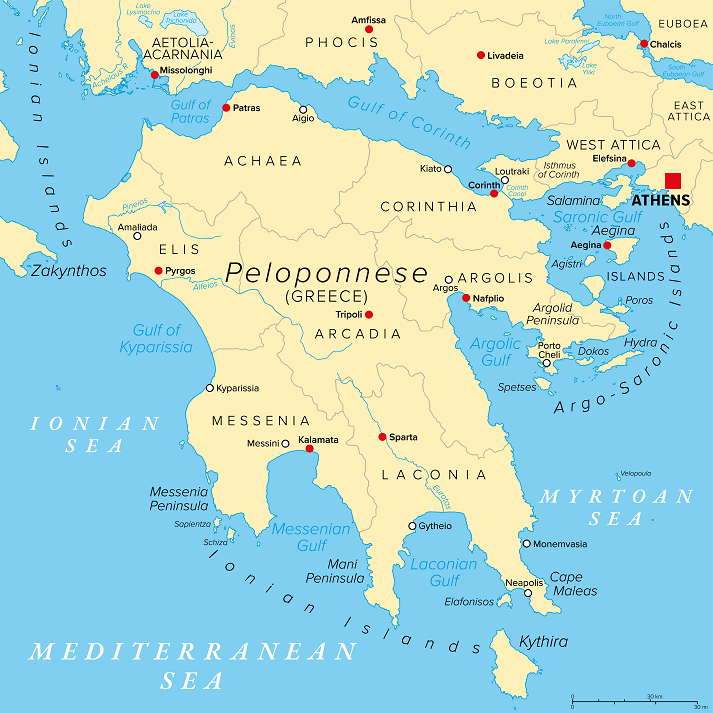
By 600 BC, most city-states had given up on kings and adopted a new concept: self-government. Each city-state decided its own laws and leaders.
This meant different values shaped different places. Should a city prize freedom, education, and art—or military strength, discipline, and conquest?
Two city-states rose above the rest: Athens and Sparta.
Athens: The City of Ideas
Athens was named after Athena, goddess of wisdom, and it lived up to her name.
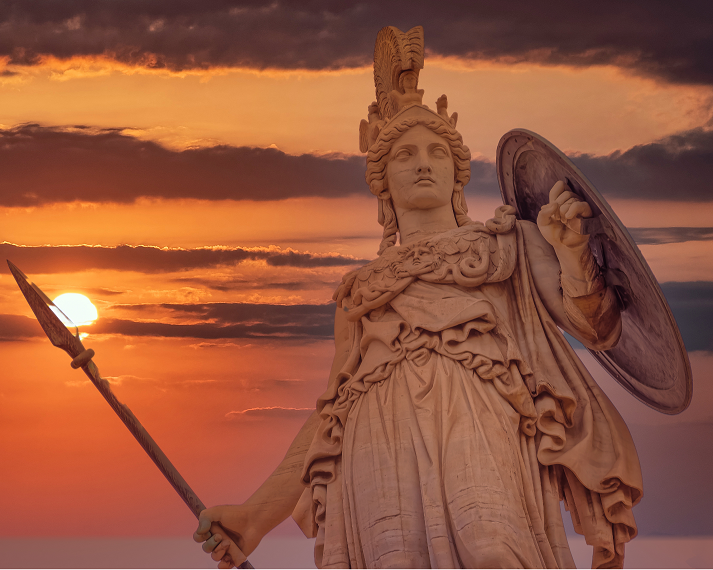
Early on, a leader named Solon wrote fairer laws allowing both the rich and the poor to participate in government. This helped Athens grow strong through trade and gave ordinary citizens a voice.
Later, Pericles led Athens for about 30 years, guiding it to become the center of Greek culture. The Athenians built schools, theaters, and temples. They created literature, drama, and philosophy that are still studied today.
At the heart of Athens stood the Acropolis, a hilltop fortress with magnificent temples, including the Parthenon. This marble wonder, featuring a statue of Athena towering within, showcased Athens’ devotion to beauty and the gods.
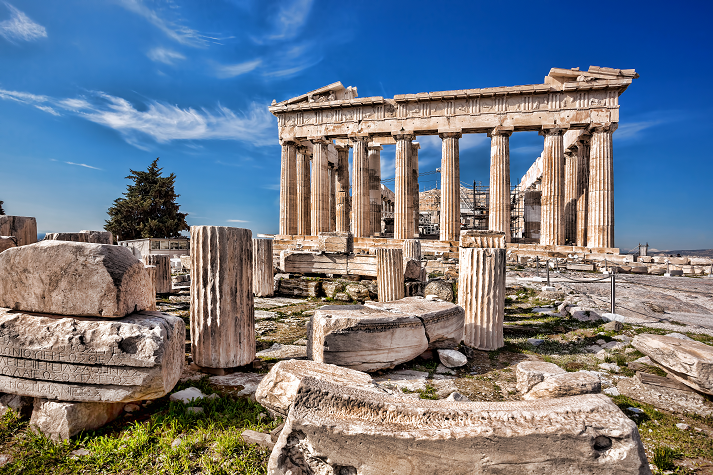
Athens also built a powerful navy and joined with other city-states in the Delian League, making it a leading force across the seas.
Sparta: The City of Soldiers
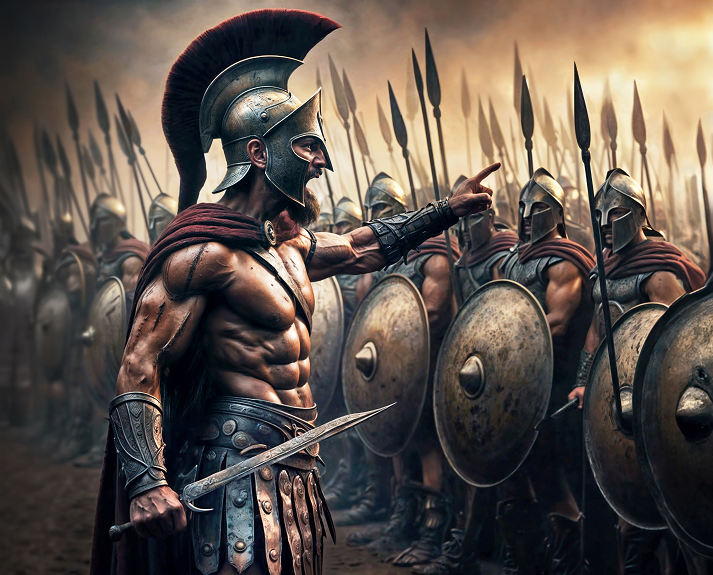
Sparta took a very different path. Guided by the lawmaker Lycurgus, the Spartans cared little for art or trade—they focused almost entirely on war.
Boys were taken from their homes at the age of seven and trained to be soldiers. By age 20, they lived in barracks and served in the army until age 60. Only at the age of 30 could they vote in Sparta’s assemblies.

Sparta had two kings, as well as magistrates who were responsible for making the laws. But not everyone shared power. Only a small group of Spartan citizens had rights.
Most of the population were Helots—enslaved people forced to farm and serve the city. Another group, the Perioikoi, were free but not citizens.
This harsh system produced one of the strongest militaries in history. The Spartans were famous for their toughness, especially when they held off the Persian army at Thermopylae. For a week, 300 Spartans and their allies blocked a force of over 100,000 Persians. That bravery became legendary.
Athens and Sparta Together—and Apart
When the Persians invaded, Athens and Sparta set aside their differences and fought side by side. Sparta’s soldiers and Athens’ navy worked together to protect Greece.
But after the victory, their rivalry returned. Each feared the other’s growing power, and eventually they fought the Peloponnesian War—a long and bitter struggle that tore Greece apart.
Moving Forward
You’ve just explored two of the most famous city-states in history—one ruled by ideas, the other ruled by soldiers. Together, Athens and Sparta show how values shape societies, and how rivalry can both drive greatness and cause destruction.
Now it’s your turn to practice. Get ready to compare and contrast Athens and Sparta, test your knowledge, and decide: if you could travel back in time, which city would you choose?
Head to the Got It? section now!

Supplies
Additional Resources
Suggested Reading





 FAVORITE
 Like
Like