Sign Up
School Account Sign Up

Lesson ID: 11963
Why did the world’s first cities grow in the Fertile Crescent? Explore geography, rivers, and farming in this fun, hands-on adventure!




The Land That Fed the First Cities
Imagine this: You’re walking across a hot, dry desert. Suddenly, you come across a wide, green area filled with trees, rivers, and farms bursting with life.
You’ve just entered the Fertile Crescent—a place so important in history that it’s been called the “Cradle of Civilization.”
Dig into the geography that helped the very first cities grow.
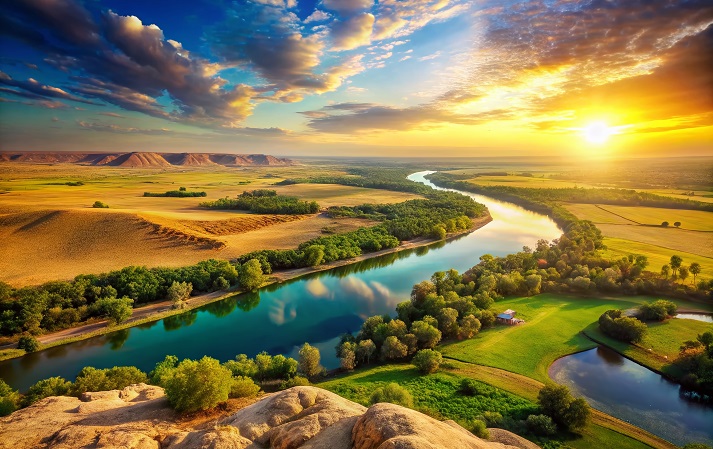
What Is the Fertile Crescent?
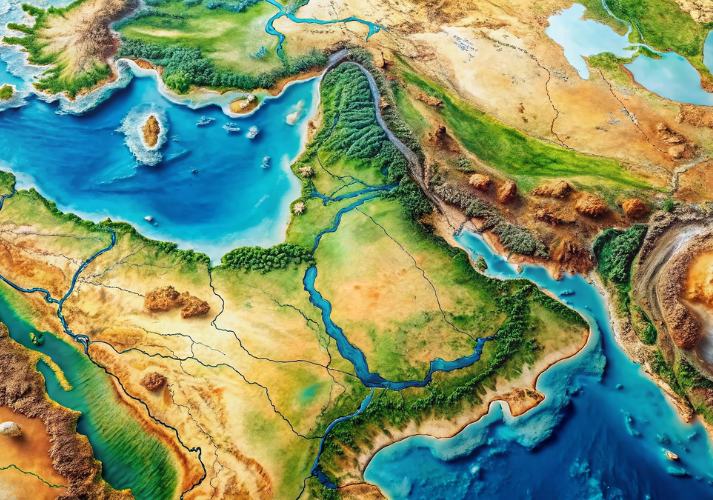
The Fertile Crescent is a large, curved area of land in the Middle East and northeastern Africa. If you looked at it from space, it would look like a giant, green crescent moon, stretching from the eastern Mediterranean Sea all the way down to the Persian Gulf.
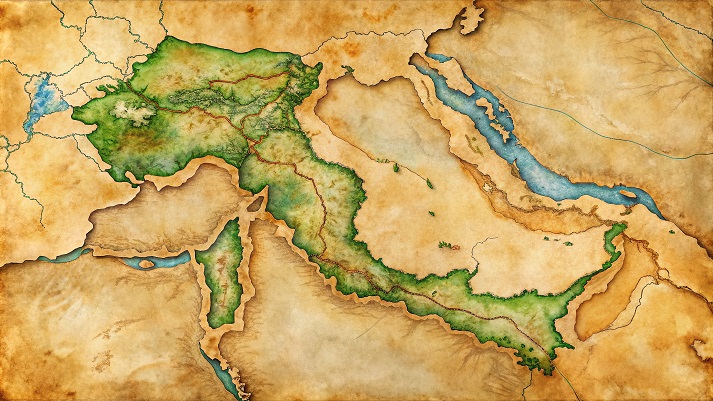
Thousands of years ago—before phones, electricity, or even written language—people settled here because the land was perfect for farming.
That’s what “fertile” means: full of nutrients and ready to grow crops. And guess what? That’s exactly what early people needed to survive and build civilizations.
Rivers: The Superpower of Ancient Farmers
Two mighty rivers flowed through the Fertile Crescent.
The Nile River (in Egypt)
The Tigris and Euphrates Rivers (in Mesopotamia)

These rivers didn’t just look pretty—they were life-givers.
Every year, the rivers would flood. That might sound bad, but these floods actually left behind rich soil called silt. This silt made the land extra good for planting wheat, barley, and other grains.
With food growing easily, people didn’t need to move around to find meals anymore. They could stay in one place, build homes, and even create cities.
Land of Cities and Civilizations
Several ancient civilizations lived in this region.
Egypt (famous for pyramids and pharaohs)
Mesopotamia (where writing was first invented!)
Phoenicia, Assyria, Elam, and Palestine
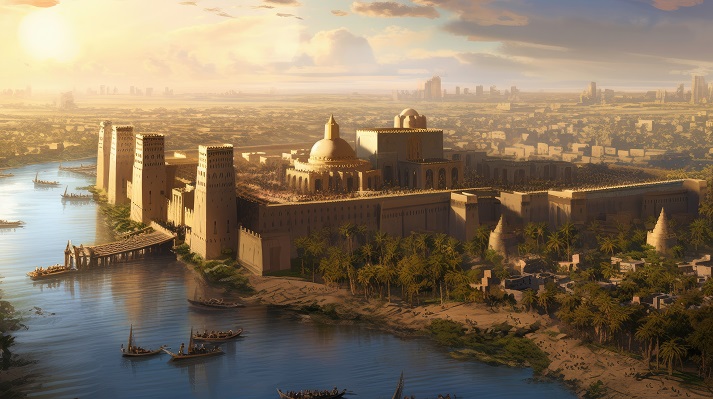
These places had different cultures and languages, but they all had something in common: they were able to survive and grow because of the land and rivers around them.
Here’s the cool part: the land where these civilizations once lived is now divided among modern countries like Egypt, Iraq, Syria, Lebanon, Jordan, and Israel.
Why Geography Mattered
Let’s connect the dots. Geography isn’t just about maps and directions. It’s about how land, water, and weather shape people’s lives.
The Fertile Crescent supplies many things.
Rivers gave people water to drink, bathe, and grow crops.
Mountains protected cities from enemies.
Seas helped people trade with others far away.
Fertile land gave them food, which gave them time to build, invent, and learn.
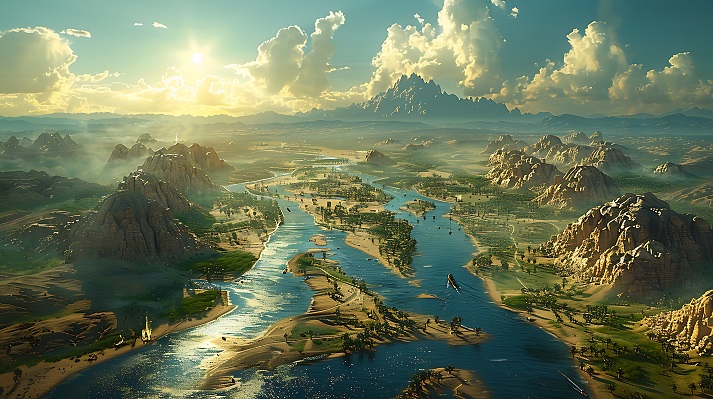
That’s why this region became one of the first places where people stopped wandering and started building things, like governments, writing systems, and amazing buildings.
Ready to Practice?
You’ve just unlocked the secrets of the Fertile Crescent—the land that helped humans build some of the first great civilizations.
Now, it’s time to show what you’ve learned! Head to the Got It? section to explore and practice what you discovered about this fascinating land.

Supplies




 FAVORITE
 Like
Like