Sign Up
School Account Sign Up




Hear History: When Music Tells the Truth
You hear a slow guitar.
A voice follows—tired, steady, and a little rough around the edges.
“If it keeps on rainin’, the levee’s goin’ to break…”
This isn’t just a song.
It’s a warning.
It’s a memory.
It’s history—set to music.
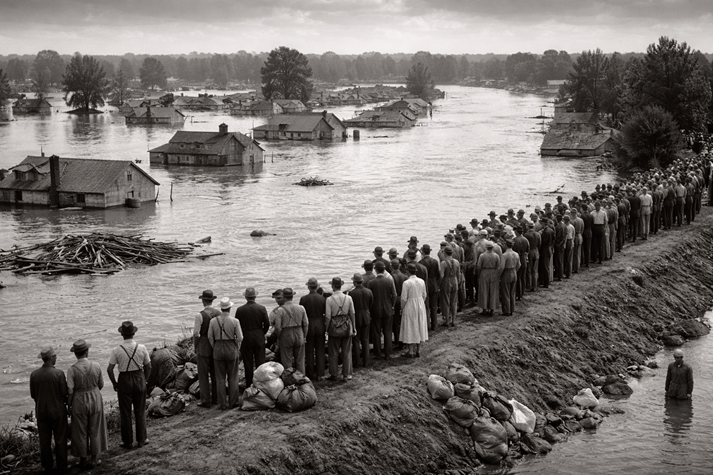
Long before podcasts, documentaries, or social media, people told their stories through songs. Musicians didn’t just entertain. They recorded real events, struggles, and emotions in ways that written history sometimes couldn’t.
And in the early 1900s, one type of music did this especially well: the blues.
The Blues: Music That Carries Real Stories
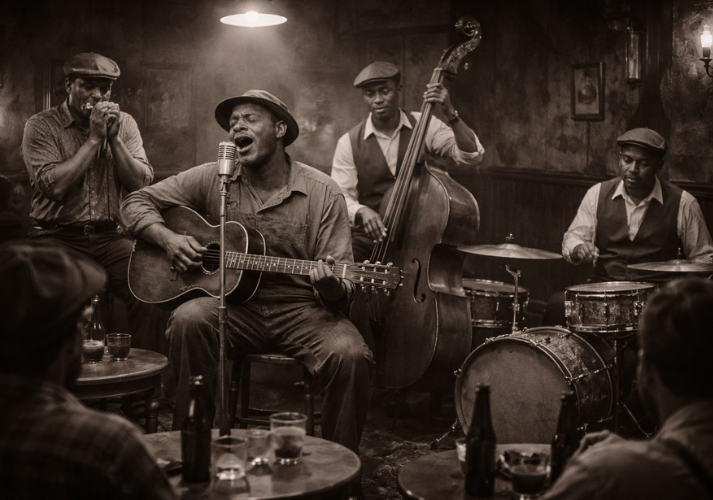
The blues developed in the American South, especially among African American communities. These songs often focused on everyday life—hard work, loss, survival, and hope.
But here’s the key idea:
Blues songs often describe real historical events.
Instead of dates and charts, you get:
Voices filled with emotion.
Repeated lines that emphasize important ideas.
Vivid details about what people experienced.
That means you can study a blues song the same way you study a historical document.
A Disaster You Can Hear
In 1927, one of the most devastating natural disasters in U.S. history struck: the Great Mississippi River Flood.
Heavy rain caused the Mississippi River to rise higher and higher. Eventually, levees—large barriers built to hold back water—failed. When they broke, water rushed across entire regions.
The result:
Millions of acres flooded.
Hundreds of thousands of people displaced.
Homes, farms, and towns destroyed.
But instead of only reading about this disaster, you can hear it.
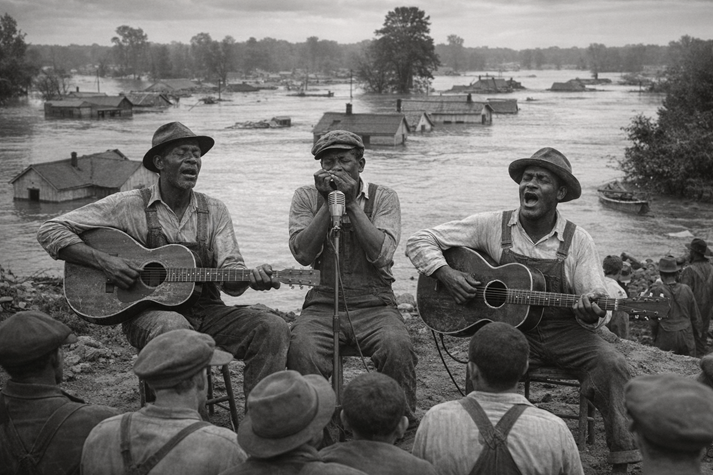
Musicians who lived through or witnessed these events turned them into songs.
Listen Like a Historian
Pause and listen to the audio clip of “When the Levee Breaks” by Kansas Joe and Memphis Minnie.
As you listen, don’t treat this like background music. Treat it like evidence.
Pay attention to what stands out:
Notice how the lines repeat and how the song's pace feels steady and heavy. That repetition isn’t random—it helps emphasize fear, uncertainty, and urgency.
“If it keeps on rainin’, the levee’s goin’ to break… And the water gonna come in, and there’ll be no place to stay,”
You are not just hearing these lyrics. You are hearing what it felt like to live through a disaster as it was happening.
This is history told from the inside.

Songs as Evidence
Blues songs about the 1927 flood reveal details you might not find in a textbook:
People lost homes and had nowhere to go.
Workers were forced to stay and repair levees.
Families were separated.
Entire communities were changed.
Some songs even describe being trapped, forced to work, or pushed out of homes. These aren’t just lyrics—they’re clues.
Think of each song as a piece of evidence.
Not All Songs Sound the Same
Not every historical song is serious.
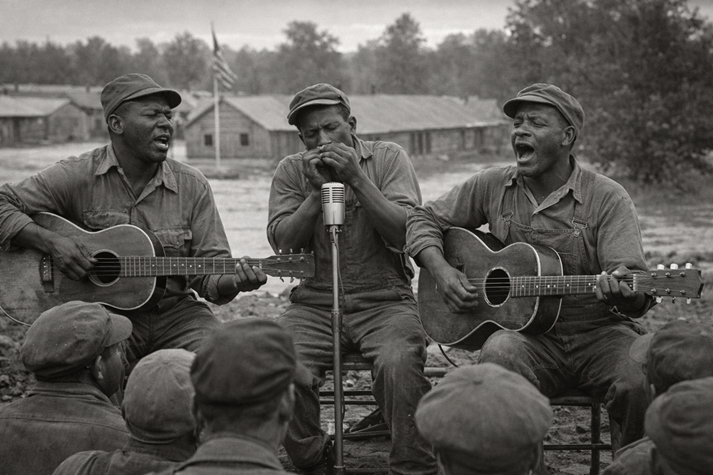
For example, during the Great Depression, workers in a government program called the Civilian Conservation Corps (CCC) sang a humorous song complaining about:
hard labor
low pay
strict rules
Even though the tone is more playful, it still reveals real conditions and experiences.
That’s another important idea:
Music can show different perspectives on history.
Your Mission
You are about to step into the role of a historical investigator.
Instead of starting with a textbook, you will:
listen to songs (or read lyrics)
look for clues
form your own ideas about what happened
Then, you will compare your conclusions to historical accounts and see how close you got.
Get Ready to Dig In
You now know that songs can act like historical documents—full of clues, emotions, and real experiences.
Next, it’s time to put that idea into action and start analyzing music like a historian.

Supplies


 FAVORITE
 Like
Like