Sign Up
School Account Sign Up

Lesson ID: 13048
Break the rules with the Impressionists. Explore light, color, and everyday moments—then create art inspired by a movement that shocked the world.




Rebels! Rule-breakers! Revolutionaries!
Yes, that's right — artists, also known as Impressionists. Read on to understand why they were called those rough names.
Throughout history, art has been very important.
Just as there are periods of history like the Middle Ages and the Renaissance, there are periods of art. Each period has its own characteristics.
Who were the subjects that were painted?
How was light used?
What was the level of detail?
During the Renaissance (1400–1600), the well-known artists Michelangelo and Raphael painted many great works of art.
Renaissance artists had some things in common. They mainly painted religious subjects and often depicted people with symbolic hand gestures, long-flowing robes, and lots of fine detail.
From 1804 to 1870, a group of artists known as Realist painters, including Millet and Courbet, focused on showing everyday life.
They painted ordinary people instead of kings or queens. Their paintings were often dark in color, and the people shown were rarely smiling.
In the late 1800s, Impressionist artists broke many of the traditional rules of art. Instead of painting historical or religious scenes, they focused on everyday moments like people walking, relaxing, or enjoying nature. They were especially interested in how light changed throughout the day.
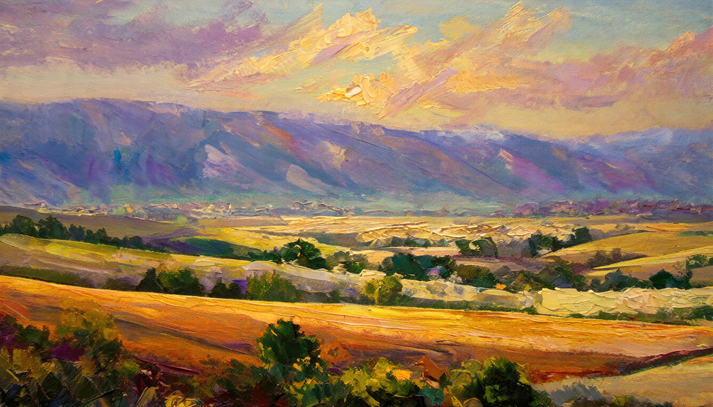
Rather than carefully blending paint, they used quick, visible brushstrokes and bright colors to capture a “moment” or feeling.
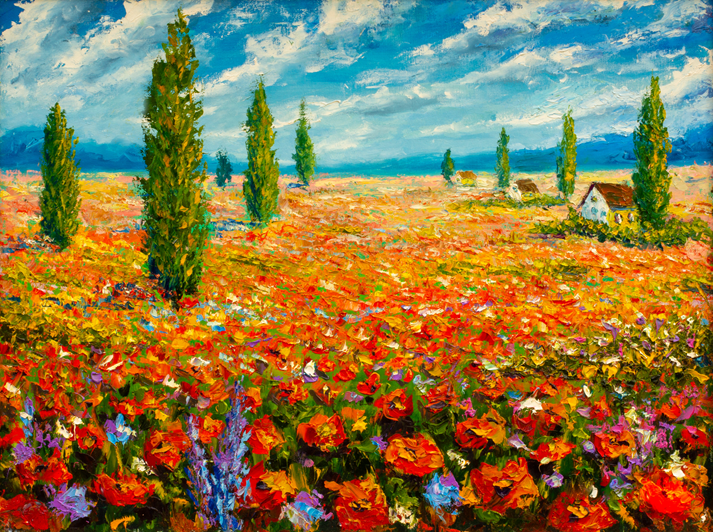
The name Impressionism came from a painting by Claude Monet titled Impression, Sunrise. Critics used the word “impression” as an insult, saying the paintings looked unfinished or messy. The artists embraced the name instead.
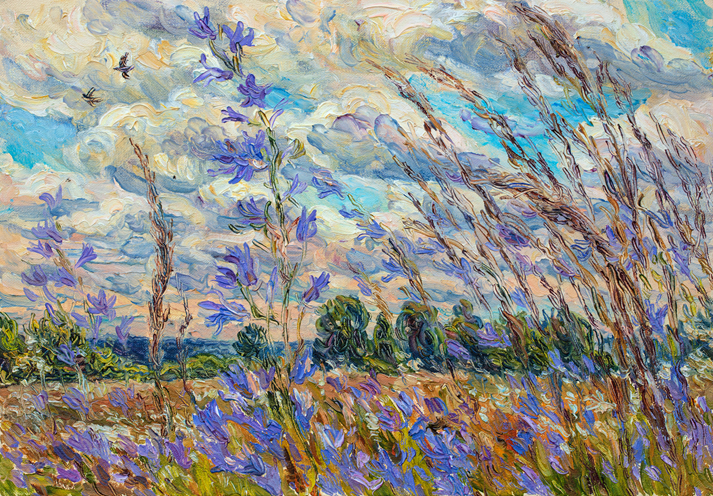
Some well-known Impressionist painters include Claude Monet, Edgar Degas, Pierre-Auguste Renoir, Berthe Morisot, and Camille Pissarro. At the time, many people strongly disliked their work and thought it was careless or strange.
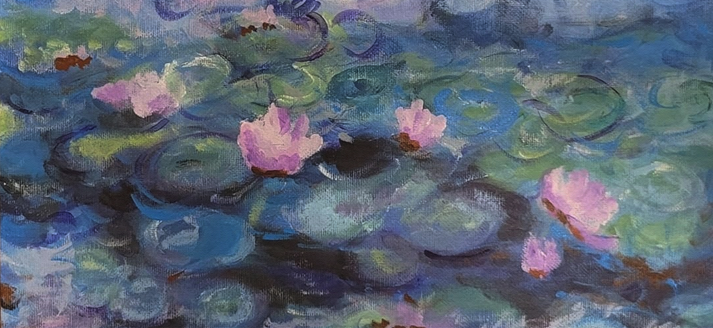
Today, Impressionist paintings are some of the most famous and admired works of art in the world.
Write down the answers to the following questions.
What did the Impressionists like to paint?
Why were they called “Impressionists”?
What were the names of some famous Impressionist painters?
What did people think about their work?
Reflect in your journal on what you have learned so far. Think about the following:
Were rebel and rule-breaker good names for the Impressionists? Give reasons why or why not.
What is your opinion of Impressionism? Give reasons for your opinion.
Being able to examine art helps you focus on details.
In the Got it? section, you will examine different pieces of art and decide if an Impressionist painted them.

Supplies
Suggested Reading


 FAVORITE
 Like
Like