Sign Up
School Account Sign Up

Lesson ID: 13009
Give your writing a clean sweep! Learn how to spot and fix grammar, punctuation, and word choice errors to make your work shine.




Clean-Ups Make Read-Ups
Picture a messy room. Clothes on the floor, snack wrappers on the desk, mystery homework under the bed. You can still live there… but it’s not comfy.
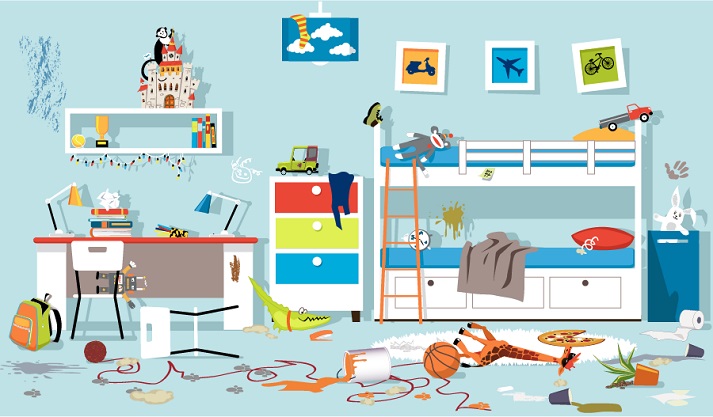
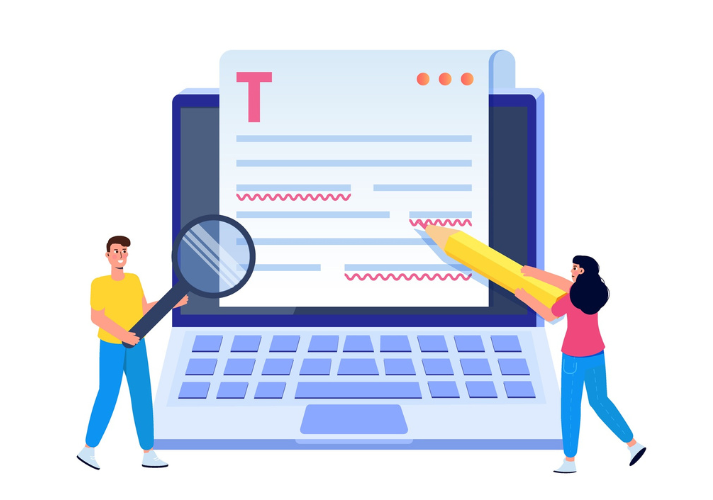
Drafts are the same way. After revising the big stuff (ideas and organization), editing is the tidy-up that makes your writing easy to read and impossible to ignore.
Good editors don’t just fix typos; they polish sentences so every word earns its spot.
Edit Like an Eagle-Eyed Pro
Editing vs. Revising (Know the Difference)
Revising = content and structure: add, remove, rearrange, and rethink ideas so they make sense and flow.
Editing = sentences and surface features: capitalization, usage/grammar, punctuation, and spelling/word choice.
Think of it like a house: revision builds the rooms; editing paints and polishes so guests feel welcome.
The C.U.P.S. Checklist (Your Edit Toolkit)
Use this quick pass on every paragraph.
C — Capitalization
Proper nouns, titles, sentence starts.
Example: In August, Coach Rivera led the Tigers to the finals.
U — Usage & Grammar
Subject–verb agreement: The team wins; players win.
Pronoun agreement and reference: Each student brought their? ? his or her / their (singular they if allowed).
Verb tense consistency: stay in past or present unless there’s a clear time shift.
P — Punctuation
Commas for items in a series and after openers: After practice, we collapsed.
End marks and quotation marks: “We did it!” Maya shouted.
Fix fragments/run-ons: join with a conjunction, add a period, or use a semicolon when appropriate.
S — Spelling & Specific Word Choice
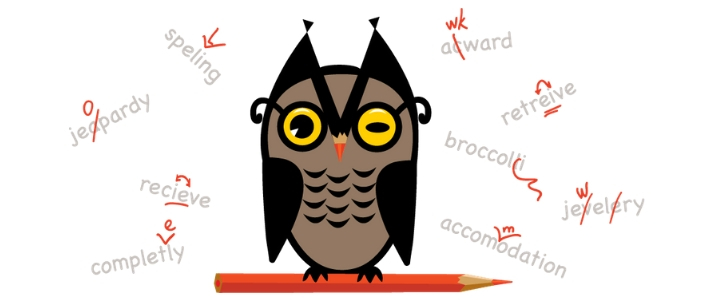
Common confusions: its/it’s; your/you’re; there/their/they’re.
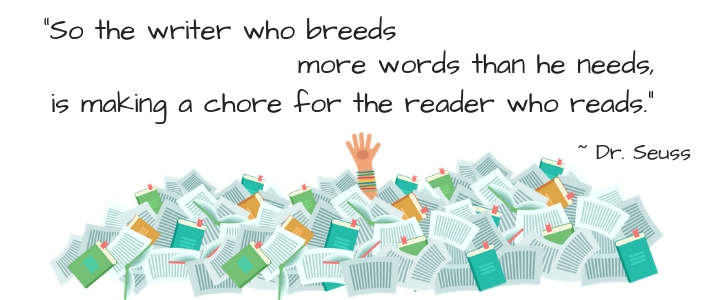
Trim extra words: swap due to the fact that ? because; really, very ? stronger verbs/adjectives.
Tighten Like a Pro (Mini Makeovers)
Wordy ? Clear
At this point in time ? Now
In order to ? To
There are many reasons why ? One reason is…
Choppy ? Smooth
The storm was loud. It scared the dog. ? The loud storm scared the dog.
Vague ? Precise
Stuff happened at lunch. ? During lunch, the tray wobbled, the milk tipped, and spaghetti sled off the plate.
A Simple Two-Pass Method
Big picture edit (read aloud): Does each sentence say exactly what you mean? Any repeats you can cut? Any long tangles you can split?
C.U.P.S. pass: Go line by line with a pencil/highlighter and check each letter in order.
Tip: Edit in short bursts. Focus on two or three items at a time so your brain stays sharp.
Quick “Messy Room” Test
Look at one paragraph of your draft and ask these questions.
What can I throw out (repetition or off-topic bits)?
What should I put away neatly (fix punctuation, spelling)?
What should I show off (strong verbs, vivid detail)?
You’ve got the tools to turn any draft into a clean, confident read.
Next up: try a few edits, test your C.U.P.S. skills, and watch your sentences sparkle.

Supplies
Additional Resources


 FAVORITE
 Like
Like