Sign Up
School Account Sign Up




How Do Plants Eat, Drink, and Grow So Tall?
Imagine if you had no mouth, no nose, and no hands—but still had to eat, drink, breathe, and stay standing!
Not for plants. Even without those body parts, plants do it all—using specialized structures that work like nature’s tools.
Roots dig deep to find water. Stems stand strong like nature’s plumbing pipes. Leaves stretch wide to catch sunlight and make food. Each part has a job, and every job helps the plant survive.
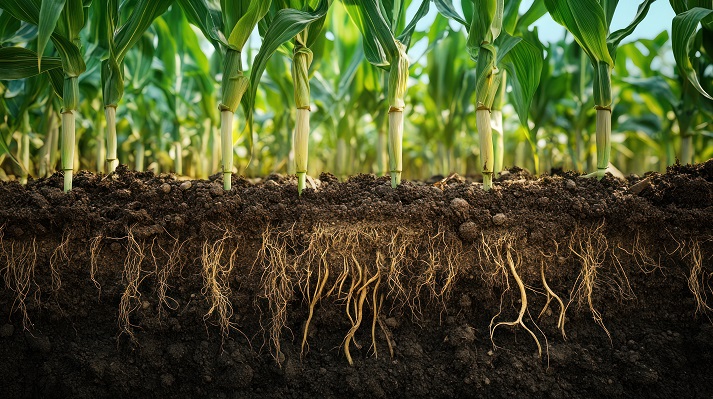
Find out what’s going on inside the plant!
The Science of Plant Structures
Plants have three main parts that help them live: roots, stems, and leaves. These structures work as a team to collect water, move nutrients, and make food.
Roots: The Underground Team
Roots are usually hidden underground, but they do some of the most important work. Their jobs include the following.
Anchoring the plant in place so it doesn't fall over.
Absorbing water and minerals from the soil.
Storing extra food (like in carrots and sweet potatoes!).
Tiny structures called root hairs stick out from the roots like little fingers. These hairs help soak up even more water and nutrients.
Just behind the tip of the root is the apical meristem, a special region that tells the root cells to divide and grow. Thanks to this, roots can keep growing deeper and longer.
Some plants have taproots (one big main root with smaller side roots), while others have fibrous roots (lots of thin roots spreading out). Both types help the plant survive in different environments.

Stems: The Plant's Support System
The stem holds everything up—leaves, flowers, and even fruits. But it’s not just for support. It also acts like a delivery service.
Xylem tubes carry water and minerals up from the roots.
Phloem tubes move sugar (plant food) from the leaves to the rest of the plant.
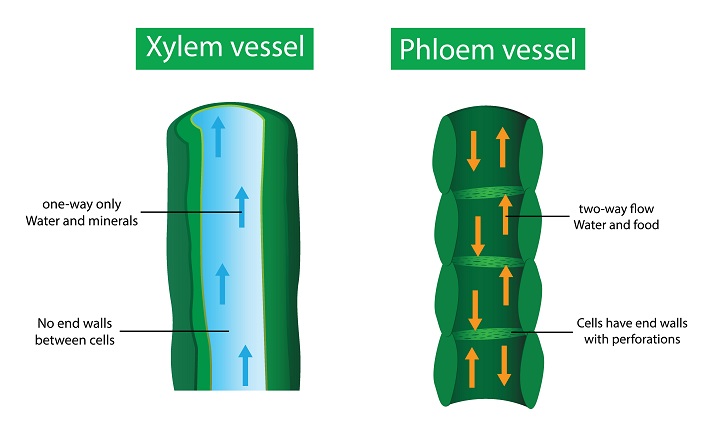
Stems can grow tall like tree trunks or stay soft and bendy like flower stalks. Some even grow underground, like potatoes and ginger, which store nutrients.
Inside a stem are important layers.
The epidermis protects the outside.
The cortex stores food and helps move water across the stem.
The vascular bundles (xylem and phloem) run through the center like tiny highways
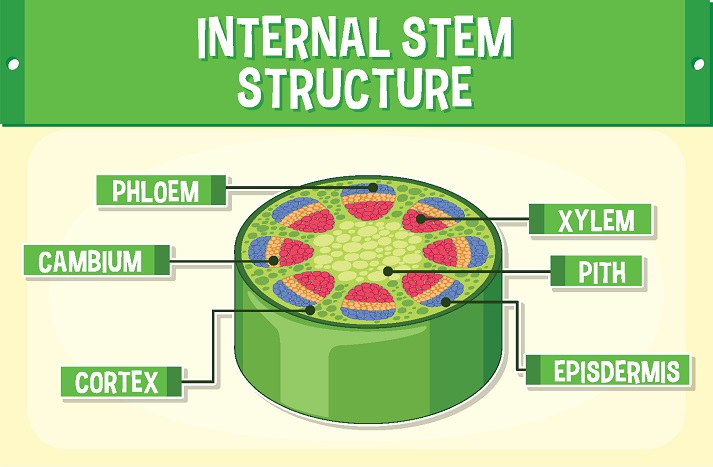
Some stems grow wider over time by making more xylem and phloem. That’s how trees form annual rings, which you can count to learn their age!
Leaves: The Sunlight Catchers
Leaves are like solar panels. Their job is to perform photosynthesis—a process that turns sunlight, water, and carbon dioxide into sugar (glucose) and oxygen.
Here’s how it works.
Chlorophyll, a green pigment in leaves, catches sunlight.
Water from the roots and carbon dioxide from the air mix together using this light energy.
The leaf makes glucose for food and releases oxygen as a waste product
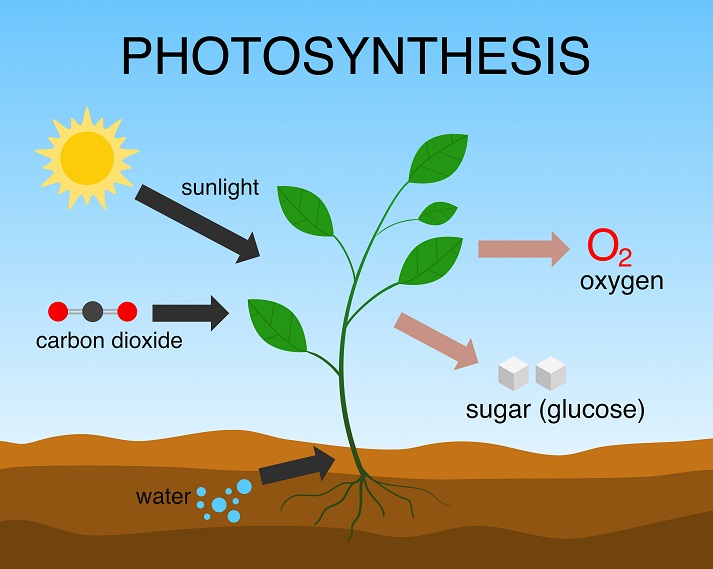
To do this job well, leaves have a large surface area and a strong internal structure.
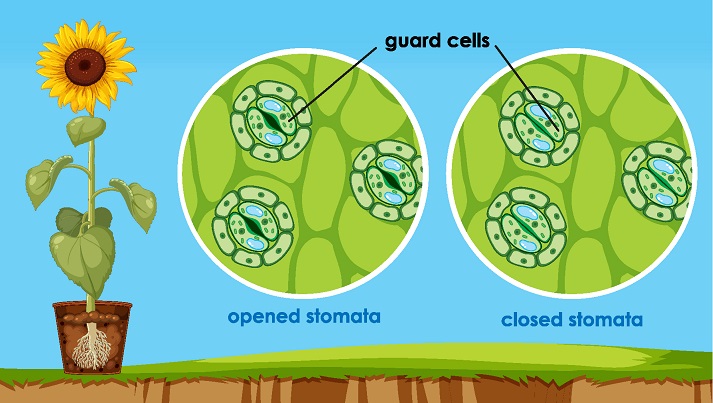
They also have tiny holes called stomata on their undersides. These openings let gases move in and out—but only when special guard cells say it's okay.
The guard cells open and close the stomata to keep the plant from drying out.
Bringing It All Together
Plants can’t move around to find food or water, so their parts must do the work right where they grow.
Roots absorb, stems support and transport, and leaves make food. Together, these systems let plants survive in all kinds of places—from the deepest forest to your backyard garden.
In the Got It? section, you'll get a chance to review and explore them more!

Supplies
Additional Resources


 FAVORITE
 Like
Like