Sign Up
School Account Sign Up

Lesson ID: 12669
Discover how the female body’s incredible system creates balance, prepares for new life, and keeps everything in rhythm.




The Amazing System That Starts Life
Imagine a tiny cell, smaller than a poppy seed, beginning the process that leads to the creation of a new human being.
Inside the female body is a powerful, carefully coordinated system that makes this possible—the female reproductive system.
It doesn’t just create life; it maintains an amazing rhythm that keeps the body in balance.
The System at Work
The female reproductive system has both external and internal parts that work together.
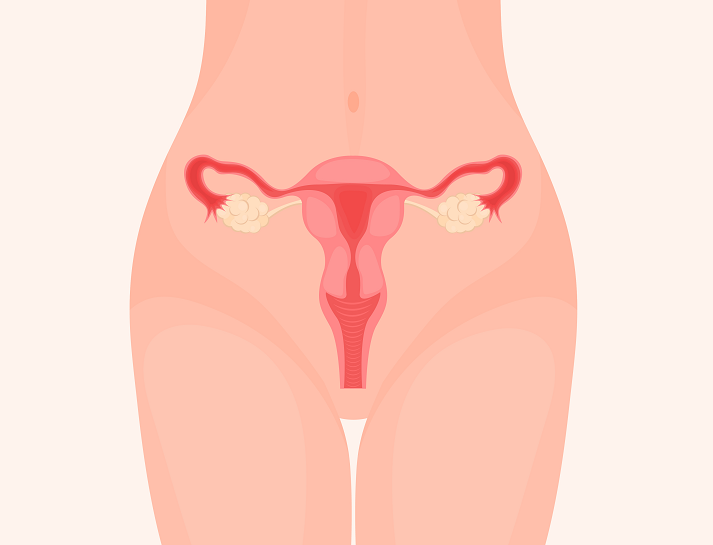
On the outside, the vulva protects the opening to the vagina, a flexible muscular canal that connects the outside of the body to the uterus. The vagina plays several roles—it’s the passageway for menstrual flow to leave the body, and during childbirth, it becomes the pathway through which a baby is born.
At the top of the vagina is the cervix, a strong ring of tissue that can stretch wide during childbirth so the baby can pass through. It also produces mucus that helps or blocks sperm, depending on the time in the cycle.
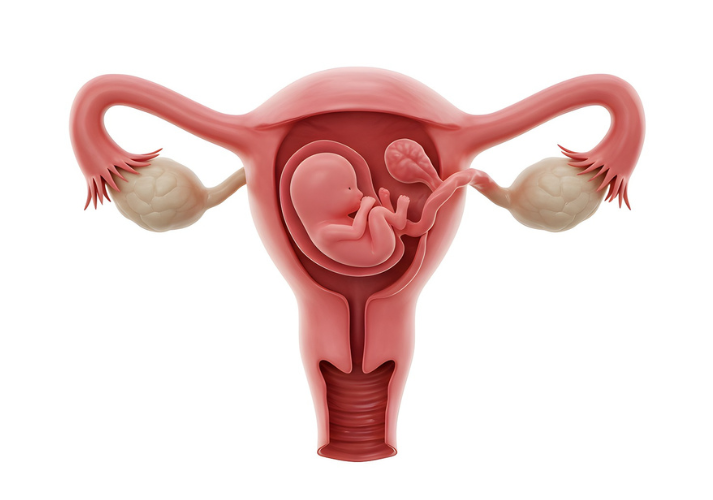
Behind the cervix is the uterus, a muscular organ shaped like an upside-down pear. It’s one of the strongest muscles in the human body.
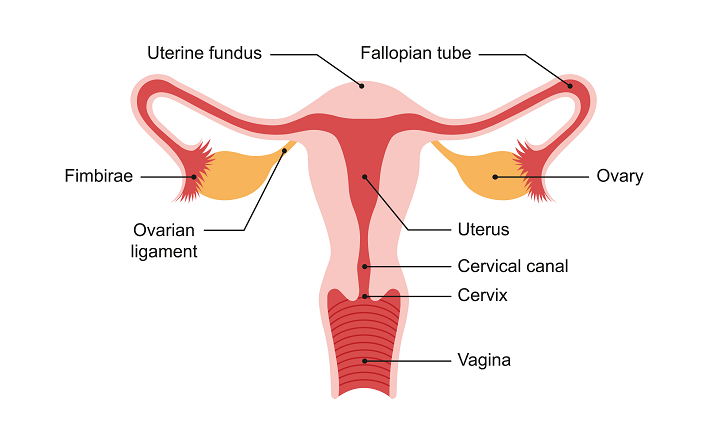
Each month, the uterus builds a soft lining filled with blood and nutrients, preparing for the possibility that an egg might arrive and grow into a baby. If no fertilized egg arrives, this lining breaks down and exits the body through the vagina—a process known as menstruation or having a period.
The Hormone Connection
Everything in the reproductive system depends on hormones, which are chemical messengers that tell organs what to do and when to do it.
Four major hormones take turns leading the process.
Follicle-stimulating hormone (FSH) and luteinizing hormone (LH) come from the brain and tell the ovaries to prepare and release an egg.
Estrogen and progesterone, made by the ovaries, control changes in the uterus and the rest of the body throughout the cycle.
This teamwork between brain and body makes reproduction possible—and also explains why the cycle follows such a predictable rhythm.
The Monthly Cycle
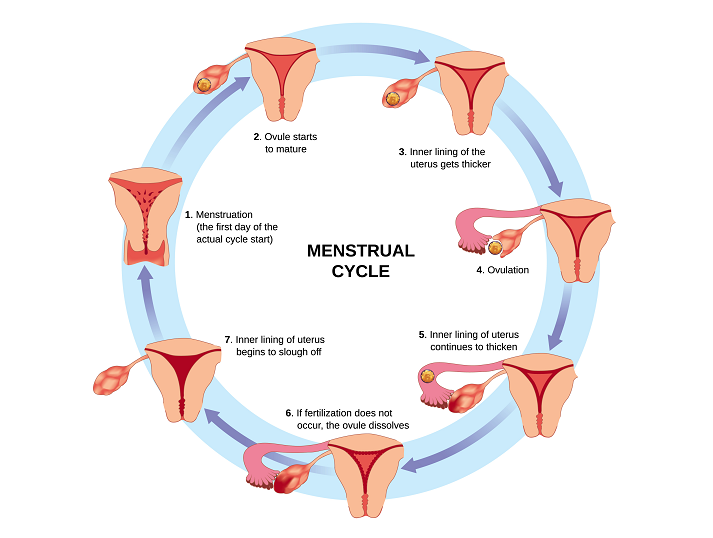
A full menstrual cycle typically lasts around 28 days, although it can range from 24 to 37 days, depending on the individual.
The first day of bleeding is day one. This is when the uterus begins shedding its old lining. Meanwhile, the ovaries are already preparing new eggs inside tiny sacs called follicles.
As the follicles grow, estrogen levels rise, and one follicle becomes dominant—it will release a single egg around the middle of the cycle. This is called ovulation.
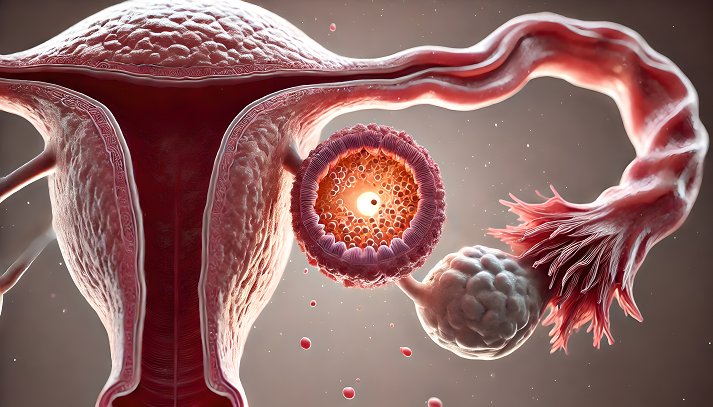
After ovulation, the body shifts gears. The now-empty follicle begins producing progesterone, which helps thicken the uterine lining in case a fertilized egg is present.
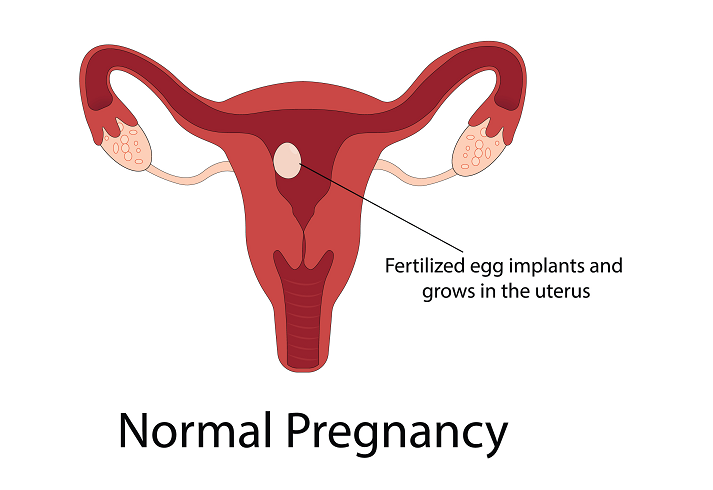
If an egg and sperm meet in the fallopian tube and combine, a fertilized egg will implant in the uterus, beginning pregnancy.
If no fertilization happens, hormone levels drop, the uterine lining breaks down, and menstruation begins again. The cycle repeats—beautifully, reliably, and rhythmically.
The Journey of the Egg
Each ovary takes turns releasing eggs, switching month to month. When an egg is released, it’s pulled into one of the fallopian tubes, narrow passageways that connect the ovaries to the uterus.
The ends of these tubes have delicate fringes, almost like fingers, that help guide the egg inside. Once there, tiny hairs called cilia gently move it toward the uterus.
It takes about three to four days for the egg to complete this journey. If fertilization doesn’t occur, the egg dissolves naturally. The uterus, realizing no pregnancy occurred, lets go of its lining—starting the next menstrual period.
Cycles and Signals
Hormones rise and fall in repeating waves, influencing not only the reproductive organs but also energy levels, appetite, and mood.
Regular menstruation is a sign that the body’s hormones are in balance. Factors like stress, illness, diet, or even sleep can affect the cycle’s timing, showing how sensitive the body’s communication system really is.
Why It Matters
The female reproductive system is more than just a set of organs—it’s a finely tuned orchestra where every part plays a role in creating, nurturing, and sustaining life.
It’s one of the most remarkable examples of biological teamwork in the human body.
Up next: Explore what happens during each part of the menstrual cycle and test your understanding of how this monthly rhythm keeps everything in sync.

Supplies
Additional Resources




 FAVORITE
 Like
Like