Sign Up
School Account Sign Up

Lesson ID: 12498
What should we do with nuclear waste that stays dangerous for 10,000 years? Explore real solutions, strange ideas, and future possibilities.




A Problem That Outlives Its Creators
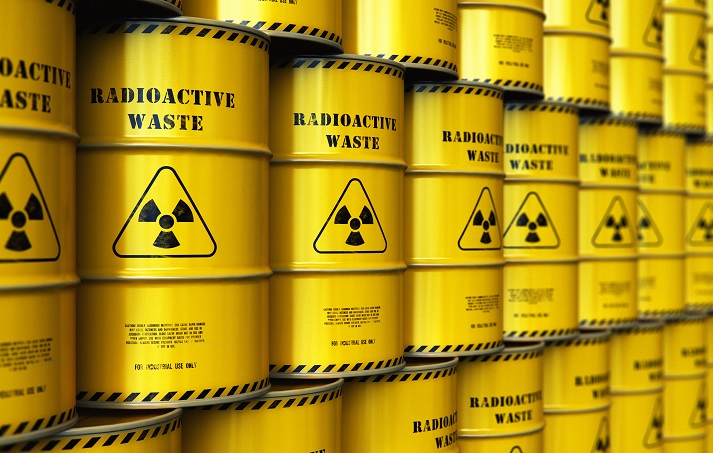
Imagine creating something so dangerous that it must be sealed away for longer than civilization has existed.
That’s the challenge scientists face today as they try to manage nuclear waste, some of which will remain hazardous for tens of thousands of years.
What's Next for Radioactivity?
Radioactivity has shaped medicine, science, and energy for more than a century, but the future of this powerful force is filled with both promise and peril.
Innovations on the Horizon
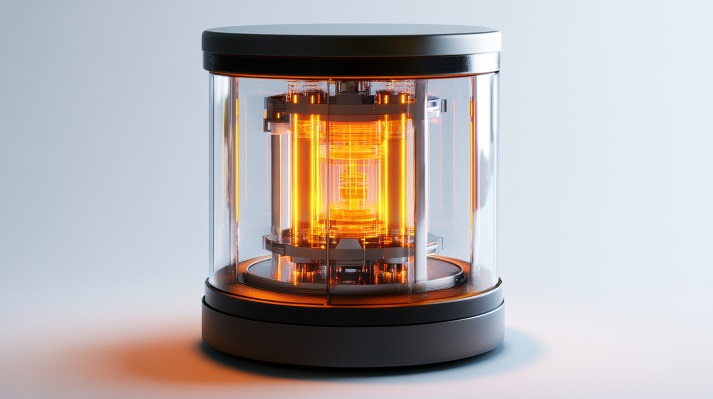
One of the most promising technologies being developed is the radioisotope thermoelectric generator (RTG).
These devices use the heat produced by decaying plutonium to generate electricity. They are compact, reliable, and require no moving parts or complex maintenance.
RTGs are already used in space exploration, powering missions like New Horizons. In the future, however, they could be used to provide electricity here on the earth, especially in extreme environments.
Another emerging solution involves thorium-based breeder reactors. These reactors work differently from traditional nuclear power plants.
Instead of producing high levels of waste, they initiate a chain reaction that transforms one element into another while creating far fewer radioactive byproducts. Because thorium is more abundant and the resulting waste is less dangerous, this technology could offer a cleaner future for nuclear energy.
Medical Possibilities
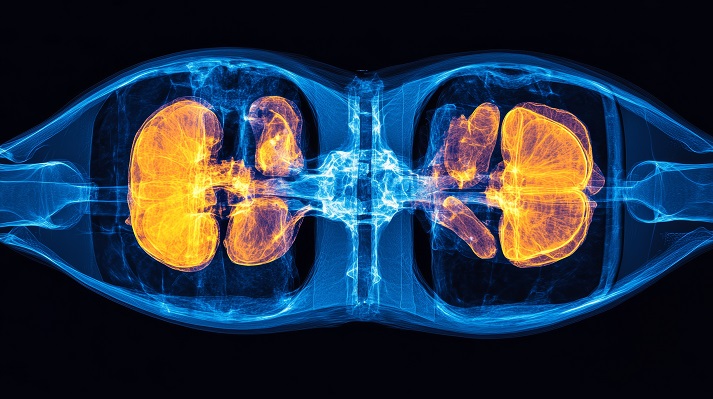
Radioactive tracers already help diagnose disease, but scientists are exploring true personalized nuclear medicine.
In the future, doctors may use radioactive isotopes alongside genetic data to design custom treatments tailored exactly to a patient's biology. This could mean more accurate targeting of cancer cells, faster recovery, and fewer side effects.
The Growing Waste Problem
While these advancements are exciting, they come with an old problem that still hasn't been solved—nuclear waste.
The United States alone has over 88,000 tons of spent nuclear fuel, much of it stored in places like the now-closed San Onofre Nuclear Generating Station in California.
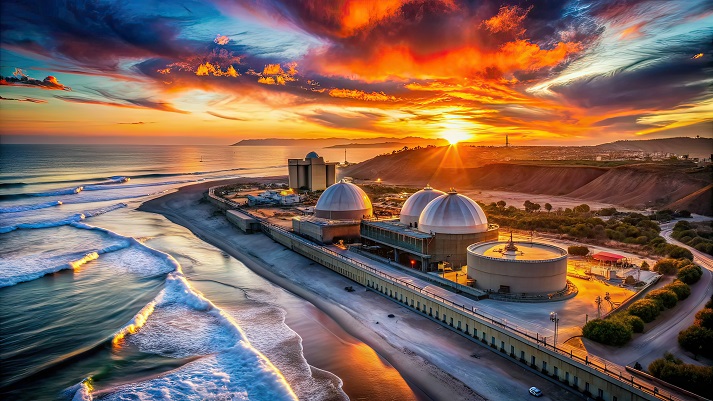
These sites hold radioactive waste just yards away from major highways and beaches, with nowhere to move it. Plans to bury it deep underground—such as at Yucca Mountain—have been delayed for decades due to political and safety concerns.
Dry storage in concrete casks is considered safe for now. These containers can withstand earthquakes, floods, and even airplane crashes. But no one knows how long they'll truly last.
Some of the radioactive elements inside—like plutonium-239—will remain dangerous for 24,000 years.
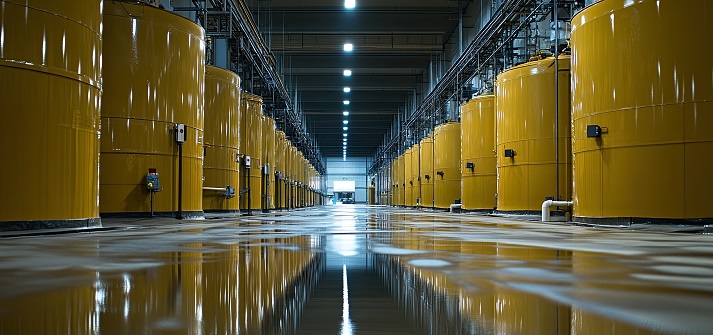
Scientists, engineers, and communities continue to debate how to communicate the dangers of this waste to future civilizations effectively.
The problem is unlike anything humans have ever faced before.
Looking Ahead
Radioactive elements have the power to shape the future, for better or worse. With the right innovation, they could help power cities, heal diseases, and explore space.
However, they also require extreme caution, long-term planning, and an awareness that some decisions made today will have lasting repercussions that will echo across centuries.
In the Got It? section, you'll review these ideas and explore the risks and rewards of radioactivity's future. See what you remember—and where you stand.

Supplies
Additional Resources





 FAVORITE
 Like
Like