Sign Up
School Account Sign Up

Lesson ID: 12497
Explore the science and human story behind the Chernobyl disaster in this chilling case study.




When the Unthinkable Happened
At exactly 1:23 a.m. on April 26, 1986, a booming explosion shattered the silence over the quiet town of Pripyat, Ukraine.
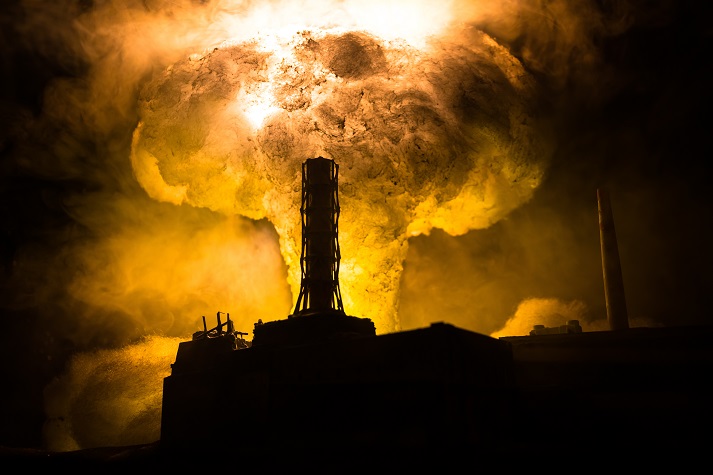
What began as a simple test at the Chernobyl Nuclear Power Plant ended as the worst civilian nuclear disaster in history. In just seconds, reactor number four was reduced to rubble—and the effects rippled across the world.
Uncover the answers by exploring the events of that night, the science behind the disaster, and its lasting effects on people, the environment, and global energy policies.
Setting the Stage: What Was Chernobyl?
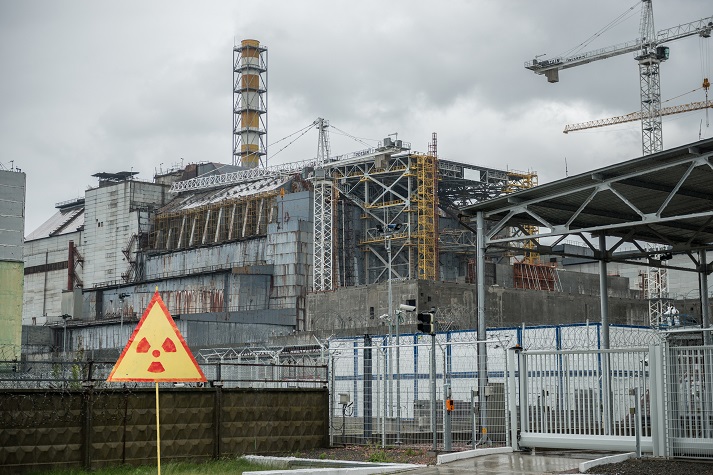
Chernobyl was a nuclear power plant in the Soviet Union—modern-day Ukraine—made up of four reactors. The town of Pripyat housed the plant workers and their families and was located less than two miles away. The facility was one of the most advanced in the region at the time.
In the early morning hours of April 26, 1986, engineers were conducting a safety test on Reactor 4.
The goal was to see whether the turbines could produce enough energy to keep coolant pumps running in case of a power loss—until backup generators kicked in. It wasn’t the first time this test had been done, but it had never been successful.
This time, the test went catastrophically wrong.
Chain Reaction: How the Explosion Happened
As the test began, the power level dropped too low. The engineers tried to raise it again, but the reactor became unstable.
Crucial control rods—used to slow the reaction—were withdrawn, and coolant flow was lost. Pressure inside the core skyrocketed.
Then came a fatal design flaw: inserting the control rods too quickly triggered a massive power surge. The result?
A huge steam explosion lifted a 1,000-ton lid off the reactor.
A second explosion from hydrogen gas was ignited by superheated water and fuel.
A fire raged for ten days and released radioactive particles into the atmosphere.
Eight tons of radioactive material were expelled. No containment building surrounded the reactor to hold it in.
Fallout and Fear: The Immediate Response
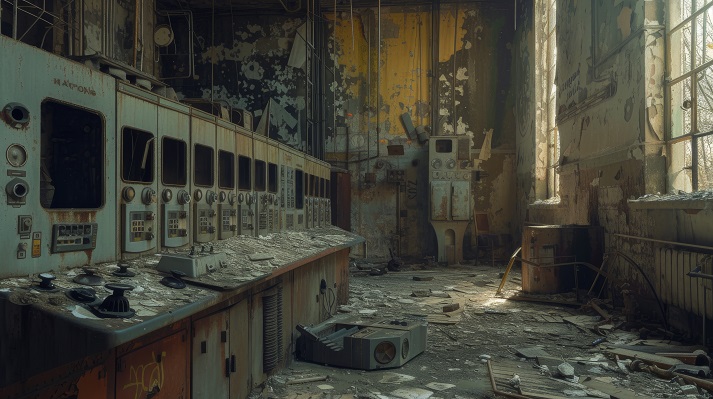
In the hours following the blast, Pripyat looked deceptively calm. Families went about their day. Children played in the streets. No warning was issued.
Meanwhile, the radioactive cloud spread. Initial responders—many unaware of the danger—were exposed to deadly levels of radiation. Thirty-one people died from acute radiation sickness in the first few days, and thousands more would be affected over time.
The Soviet government delayed sharing information. It wasn’t until scientists in Sweden detected unusual radiation levels that the world realized something had gone terribly wrong.
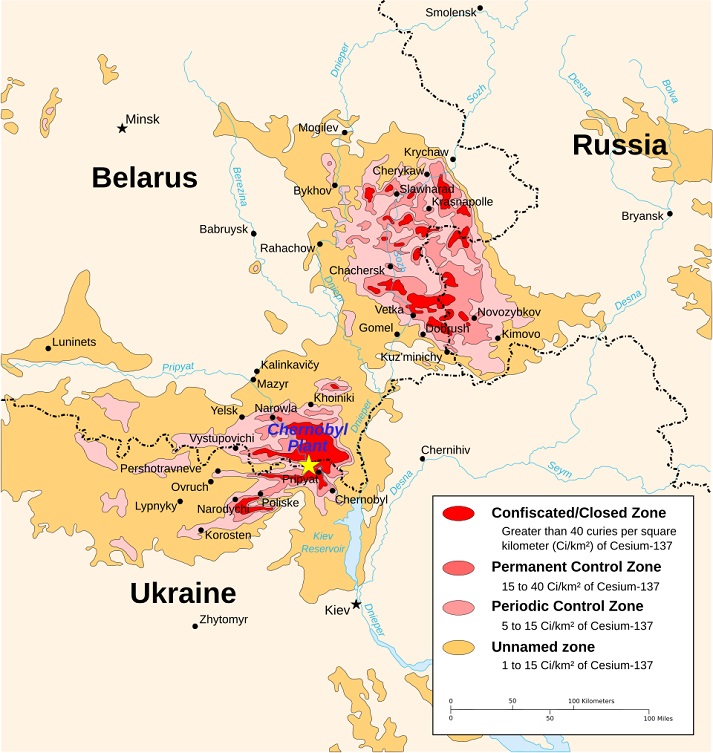
Eventually, 115,000 people were evacuated from the 30-kilometer zone. A concrete sarcophagus was hastily built to contain the melted core, and a much larger steel dome was completed decades later to further seal the site.
Long-Term Effects: People and the Planet
The fallout contaminated soil, air, water, crops, and livestock across Ukraine, Belarus, Russia, and Europe. Reports at the time indicated the following.
Milk supplies were tainted with radioactive iodine.
Radiation-induced thyroid cancers increased—especially among children.
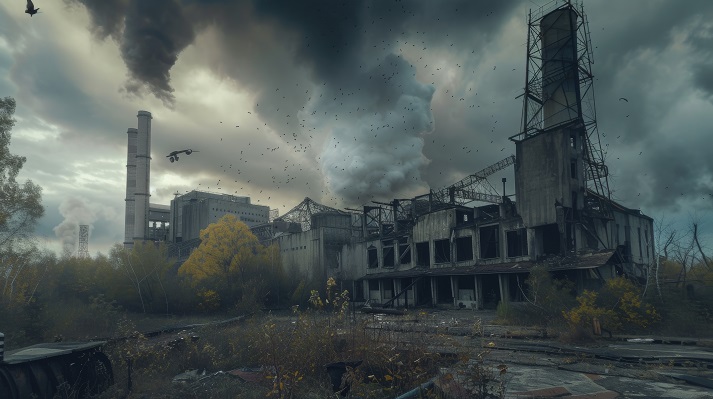
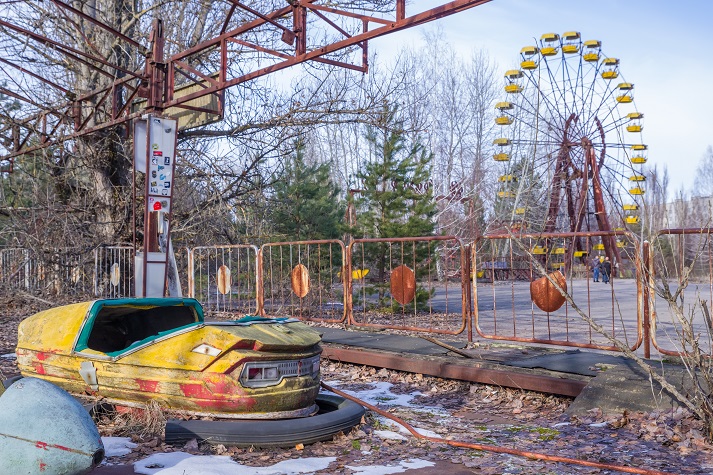
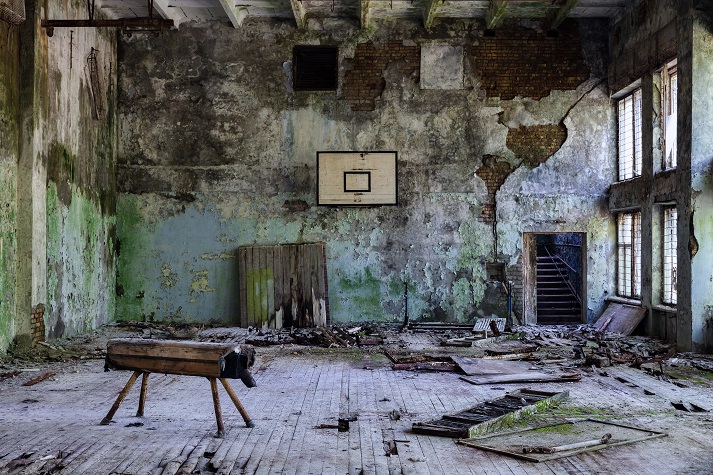
Pripyat and the surrounding areas became ghost towns.
Today, the Chernobyl Exclusion Zone remains one of the most radioactive places on the planet. Though the land is recovering in some ways, with wildlife returning, it is not safe for long-term habitation.
The Global Wake-Up Call
Chernobyl sparked major changes in global nuclear policies and safety practices. Governments demanded better containment systems, stricter protocols, and improved transparency.
The disaster showed the world what could happen when technology fails, communication breaks down, and safety is sacrificed.
Some experts argue the accident accelerated the decline of nuclear energy in many countries. Others believe it led to the safer, more advanced reactors we use today.
Up next, reflect on what happened at Chernobyl and how it connects to everything you know about radiation and nuclear energy.
Go to the Got It? section.

Supplies
Additional Resources


 FAVORITE
 Like
Like