Sign Up
School Account Sign Up

Lesson ID: 12188
Your cells have a security system. Discover how membranes control what enters and leaves—and keep everything running smoothly.




Why Boundaries Matter
Imagine leaving your front door wide open all day. Anyone—or anything—could walk in or out. Food might spoil, your belongings could disappear, and things would quickly get out of control.

Now imagine that happening inside your body.
Every cell in your body faces this exact challenge. It must carefully control what enters and what leaves. If it fails, the cell cannot survive.
Cells solve this problem with a powerful structure called the cell membrane.
Meet the Cell Membrane: Your Cell’s Security System
The cell membrane surrounds the entire cell, acting like a flexible barrier. It does two critical jobs at the same time.
Protects the inside of the cell.
Controls the movement of materials in and out.
This control system keeps the cell balanced. Nutrients like glucose and oxygen can enter, while waste products leave. Harmful substances are kept out whenever possible.
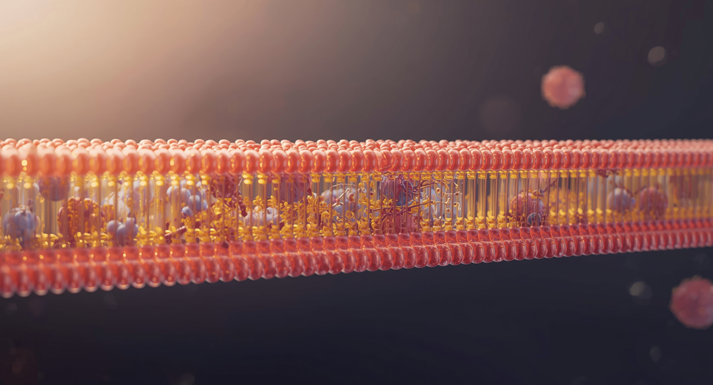
Scientists describe the cell membrane as selectively permeable. That means it allows some materials to pass through while blocking others.
Think of it like a security system with rules—not everything gets in.
The Fluid Mosaic Model: A Moving Puzzle
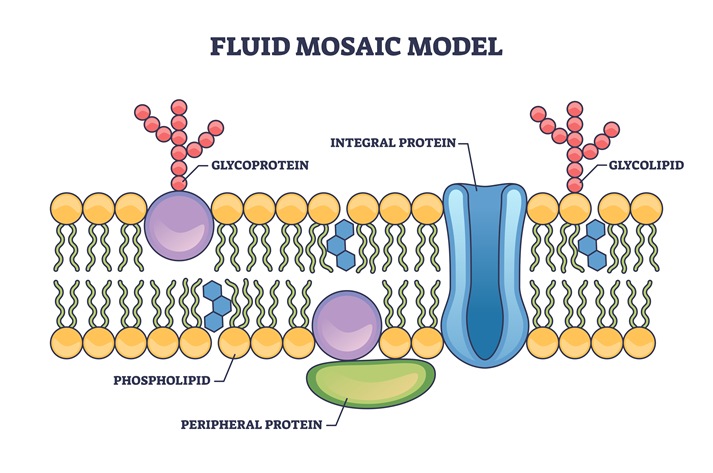
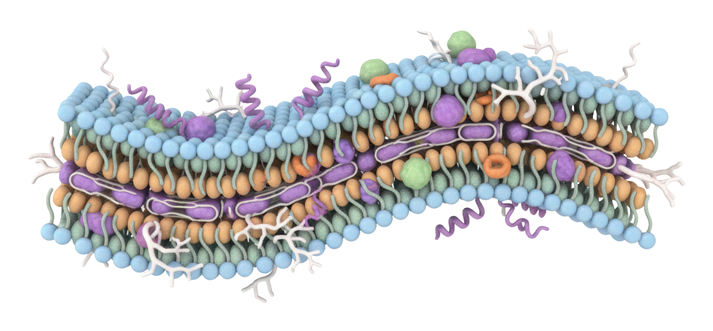
The cell membrane is often called a fluid mosaic. That might sound complicated, but the idea is simple.
Mosaic means it is made of many different parts.
Fluid means it is flexible and constantly moving.
Instead of being a solid wall, the membrane behaves more like a shifting, living surface where pieces move and interact.
The Main Players in the Membrane
The membrane is built from several key components, each with a specific job.
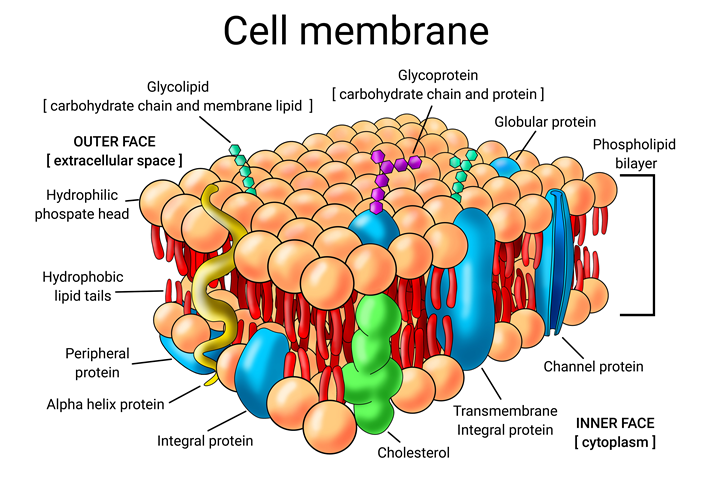
Phospholipids: The Double Layer
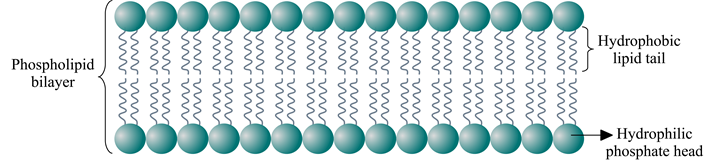
Phospholipids form the main structure of the membrane. They arrange themselves in two layers, called a bilayer.
Each phospholipid has two parts.
The heads face outward toward water, while the tails hide inside, away from water. This arrangement creates a stable barrier that helps control movement.
Proteins: The Workers
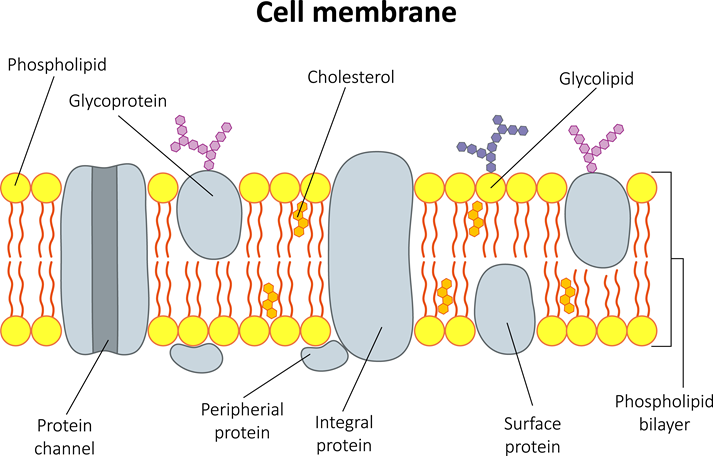
Proteins are scattered throughout the membrane. They act like tools and machines that help the cell function.
Some proteins:
Carbohydrates: The Identifiers
Carbohydrates attach to proteins or lipids on the outer surface of the membrane. They help cells recognize each other and communicate.
This is important for processes such as the immune response and cell signaling.
Cholesterol: The Stabilizer
Cholesterol helps maintain the membrane’s structure. It keeps the membrane from becoming too rigid in cold conditions or too fluid in warm conditions.
Without cholesterol, the membrane would lose its balance and become less effective.
Why Structure Matters for Movement
The structure of the membrane directly controls how materials move.
Small molecules may pass through easily.
Larger or charged molecules often need help from proteins.
Water moves in controlled ways to maintain balance.
This structure is the reason cells can regulate their internal environment. It allows them to stay stable even when conditions outside the cell change.
Without this control, cells would lose important materials, gain harmful ones, or burst from imbalance.
From Structure to Action
You now know how the cell membrane is built and why it matters. Every part of its structure plays a role in controlling movement.
Next, it’s time to test that understanding by exploring how these components work together to move materials in and out of the cell.

Supplies
Additional Resources


 FAVORITE
 Like
Like