Sign Up
School Account Sign Up

Lesson ID: 12042
Explore the bumpy, dusty moon! Discover craters, mountains, and more, then create your own moon model and become a moon fact pro.




What’s Up with the Moon?
That’s the moon! It’s like the earth’s quiet neighbor who loves to shine at night.
Some say it looks like a face, or cheese, or even a big dusty cookie. But what is it really?
Put on your space helmet (you can pretend!), because you're about to become a moon explorer. Your mission?
To find out what the moon is made of, why it looks the way it does, and what it's like to walk on it. Get ready for a bumpy, dusty, rocky ride!
Moon Basics: What Is It?
The moon is a giant ball of rock that orbits, or goes around, the earth. It doesn’t glow on its own—it reflects light from the sun, like a giant nightlight. That’s why you can see it shining in the sky at night!
The moon is different from the earth. On the earth, we have oceans, forests, animals, and air to breathe.
The moon has none of that. It’s dry, dusty, and full of rocks. There's no air, no water, and no life (unless you count the astronauts who visited!).

The Moon’s Surface: Bumps and Dents
If you could walk on the moon (in a big puffy space suit), you’d feel like you're walking on a rocky desert.
The ground is full of craters, which are big holes or dents. These were made when asteroids (big space rocks) and comets (icy rocks) smashed into the moon a long time ago.
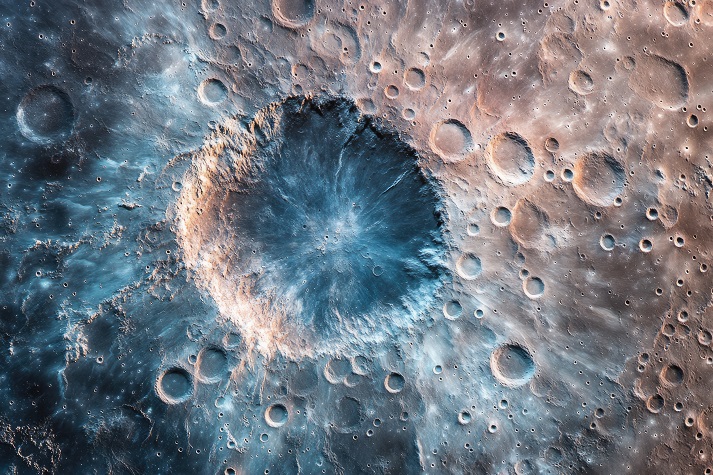
The moon has so many craters because it doesn’t have an atmosphere—a layer of air like the earth’s—to protect it. Here on the earth, most space rocks burn up in the sky before they hit the ground. On the moon, they crash right in!
Boom! Moon Volcanoes?
A long, long time ago, the moon had volcanoes!
These volcanoes spilled out melted rock, called lava, which spread across the surface. When the lava cooled, it left behind dark, flat patches on the moon that you can still see today.
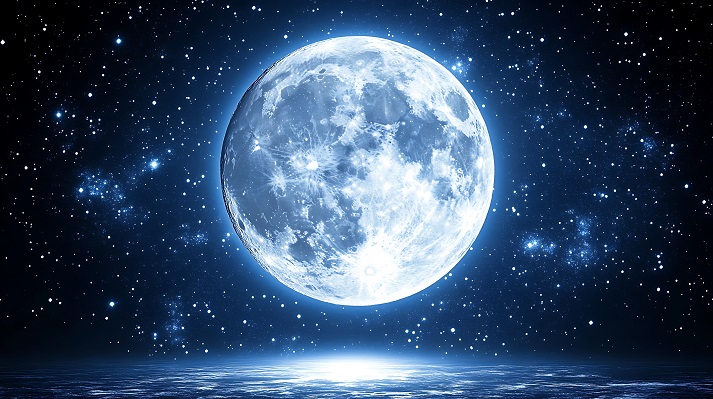
Those light and dark spots on the moon? The light areas are mountains, and the dark areas are old lava plains where the volcanoes erupted.
Some scientists call these dark parts “maria,” which means “seas”—but there’s no water in them!
What Would You See?
If you could fly over the moon, you'd see a dusty, rocky world with the following.
Craters: big and small dents from space crashes.
Mountains: tall, light-colored rocky areas.
Dark patches: places where lava once flowed and cooled.
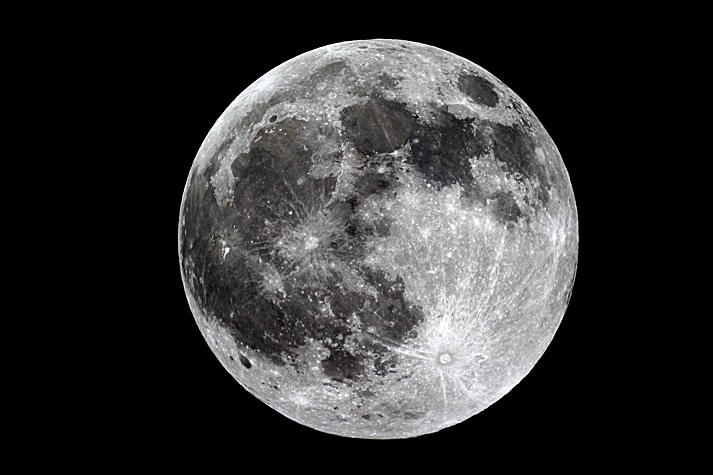
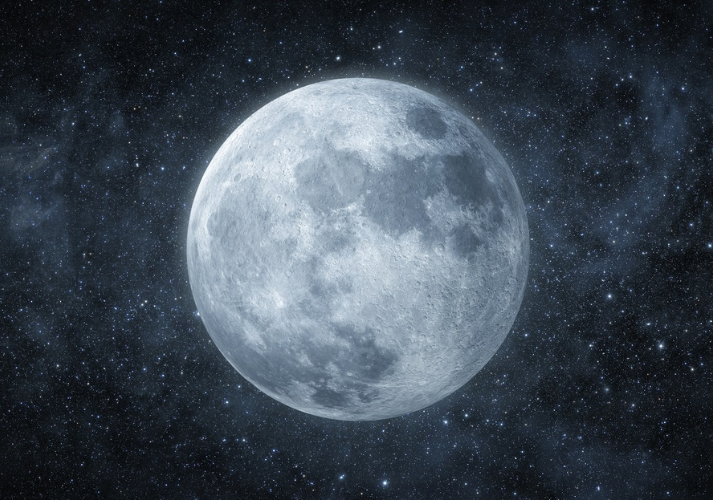
The moon is gray—light gray, dark gray, and everything in between. It’s like a big scoop of dusty ice cream that someone dropped in space!
Ready for Your Next Mission?
Now that you’ve explored the surface of the moon with your imagination, it’s time to see how much you remember.
In the Got It? section, you’ll get to practice being a moon expert by spotting mountains, craters, and lava plains—all on your own.
Get ready to have some out-of-this-world fun!

Supplies


 FAVORITE
 Like
Like