Sign Up
School Account Sign Up



The Plant That Became Paper!
Imagine this: You want to write a story, but there's no notebook, no printer paper, not even a sticky note in sight.
Believe it or not, people long ago didn’t have paper like we do now. However, they came up with a genius solution using something growing wild along a river.
Get ready to time travel to Ancient Egypt, where the very first “paper” was born—from a plant!
Welcome to Ancient Egypt
Over 5,000 years ago, in a place called Egypt (in Northern Africa), people lived near a big, important river called the Nile.
Along this river grew a tall, reed-like plant called papyrus. This plant could grow up to 10 feet tall—that’s taller than your ceiling!

The Egyptians used papyrus for all sorts of things: baskets, sandals, mats, and—most importantly—writing paper. In fact, the word paper comes from the word papyrus!
How Did They Make Papyrus Paper?
The process wasn’t quick, but it worked. Here's how the ancient Egyptians did it.
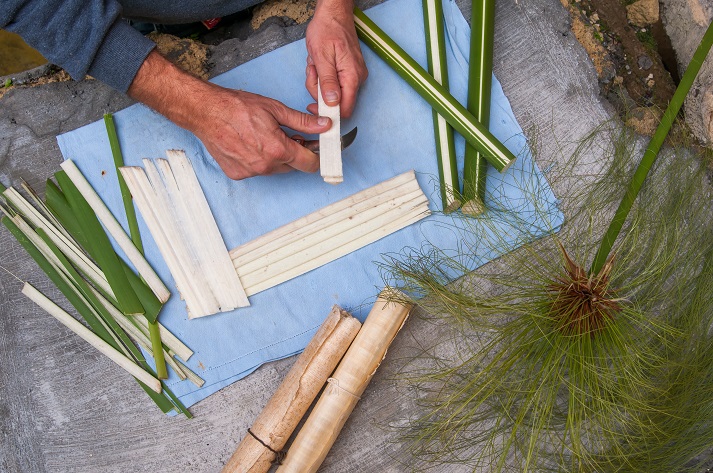
Snip Snip! First, they cut the green stalks of the papyrus plant into thin strips.
Soak It! The strips were soaked in water until they became soft and flexible.
Layer It! The soft strips were laid out in two layers.
One layer went up and down (vertical).
The second layer went side to side (horizontal), on top of the first.
Squash It! Then they mashed the layers together by hammering or pressing them with heavy objects.
Dry It! Finally, the pressed papyrus was left in the sun to dry.
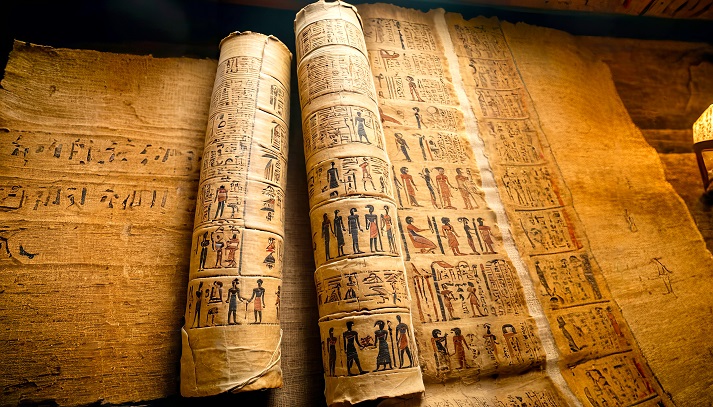
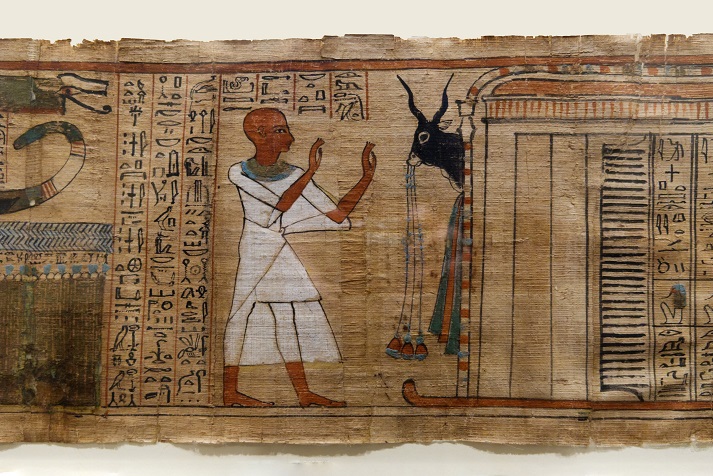
When it dried, it became a strong, papery sheet perfect for writing stories, letters, and even books! But wait—books back then were more like looooong scrolls. Some were over 150 feet long!
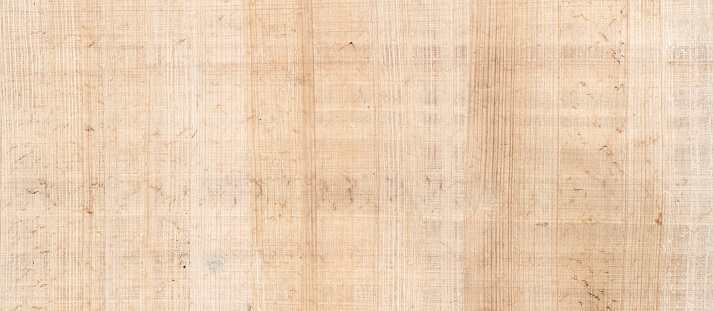
If you looked closely at a piece of papyrus, you’d see the criss-crossed strips and notice it’s a bit darker than today’s paper. That’s part of what made it so cool and different!
From Papyrus to Paper Today
Papyrus was just the beginning. Later on in ancient China, people made paper from tree bark, old fishing nets, and mashed-up plants.
They made a thick, mushy mix called pulp. That mush was flattened, dried, and—voila!—paper!
Today’s paper is made in a similar way, but with wood chips.
The chips are boiled in a special liquid that softens them.
Then, they are mashed into pulp.
Finally, the pulp is rolled flat and dried to become paper.
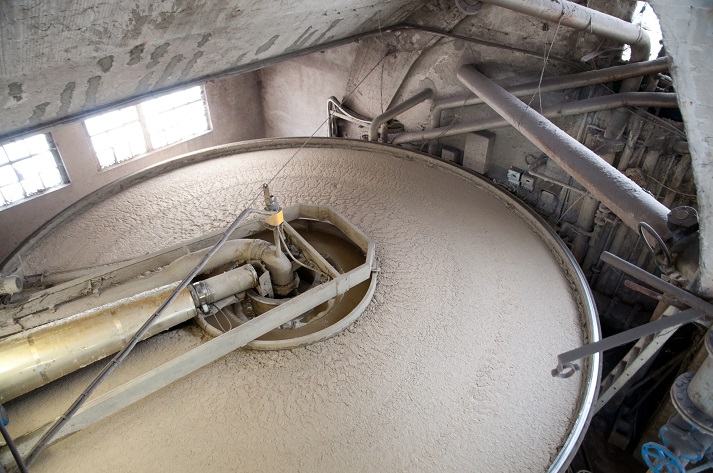
Paper is now used for books, comics, paper towels, cereal boxes—you name it! And just like papyrus, we can recycle paper to make new things, like newspapers and even toilet paper!
Fun Fact!
Ancient Egyptians even discovered a way to change the color of their papyrus!
If they soaked the strips for longer, the paper would turn darker. If they soaked it for less time, the paper stayed lighter. Kind of like ancient tie-dye—but for paper!
From Then to Now
It’s hard to imagine life without paper. Ancient people had to spend days just making a single sheet!
Thanks to their creativity and clever thinking, we have paper that helps us learn, draw, plan, and share our ideas every day.
Ready to Practice?
You’ve learned how papyrus was made, how it compares to paper today, and why it matters. Now, it’s time to put your brain to work and practice what you know!
Head to the Got It? section now!

Supplies


 FAVORITE
 Like
Like