Sign Up
School Account Sign Up

Lesson ID: 11647
Peek inside a bacterial cell to see what makes it tick—and how such simple structures make bacteria so powerful!




What’s Inside a Bacterium, Anyway?
You’ve probably heard of bacteria before—maybe when you were sick, or when learning about yogurt and probiotics.
Unlike the complex cells in your body, bacteria are made up of just a few essential parts. But don’t let their simplicity fool you—they are efficient, resilient, and everywhere.
Understanding the structure of bacterial cells helps scientists identify, treat, and even fight the diseases they cause. It also helps us learn more about life itself—since bacteria are among the oldest and most widespread organisms on the planet.
Take a closer look at the parts that make up a typical bacterium and what each one does.
The Basics: Prokaryotic and Proud
Bacteria are prokaryotic cells. That means they do not have a nucleus or membrane-bound organelles like your cells do.
Everything they need floats freely inside the cell’s cytoplasm.
Use the diagram below to explore the main parts of a bacterial cell. You’ll see each structure labeled, from the outer capsule to the inner loops of DNA.
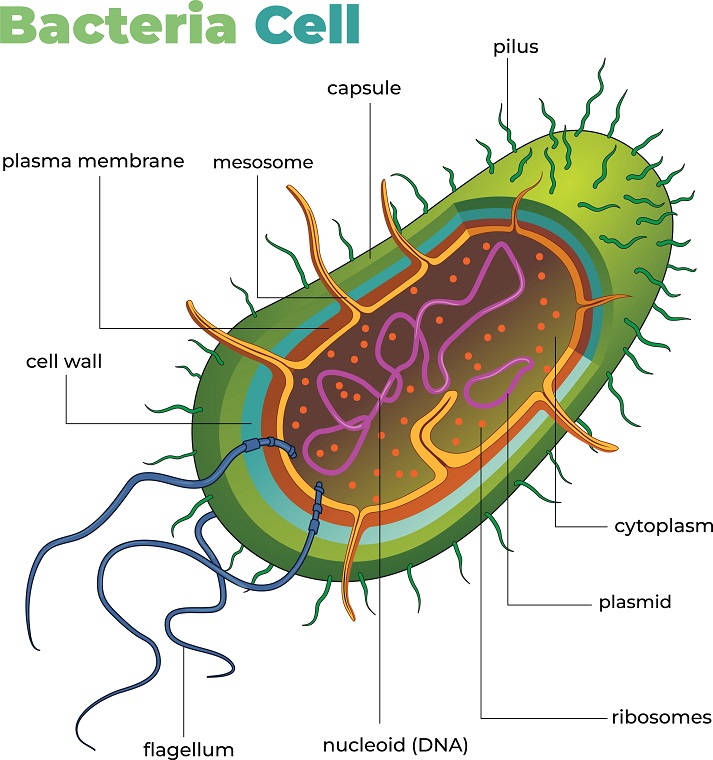
As you read, find each part and consider how its shape and placement help it do its job.
Genetic Material
DNA: Bacteria have one large loop of DNA floating freely in the cytoplasm. This is their main set of instructions.
Plasmids: These are small rings of extra DNA. Plasmids often carry special genes that help bacteria survive tough conditions or become resistant to antibiotics.
Cytoplasm and Ribosomes
Cytoplasm: The gel-like substance inside the cell that holds everything together.
Ribosomes: Tiny blue dots scattered throughout the cytoplasm. These build proteins that the cell needs to grow and function.
Mesosome – A folded part of the plasma membrane (seen in some bacteria). Scientists believe it may help with cell division or increase surface area for chemical reactions.
Cell Envelope
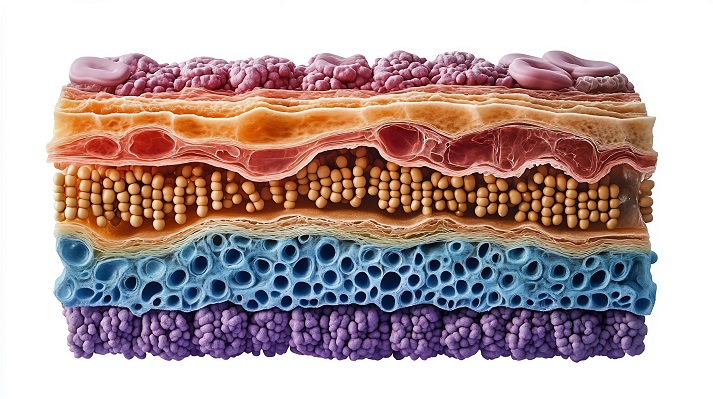
Cell Wall: Made of peptidoglycan, this layer gives the cell its shape and protection.
Plasma Membrane: Just inside the cell wall, this flexible layer controls what goes in and out of the cell.
External Features
Bacteria often come with extra tools on the outside that help them survive.
Capsule – A sticky outer coating that helps the bacterium stick to surfaces, avoid drying out, or hide from the immune system. Not all bacteria have one, but those that do tend to be more resilient.
Pili – Hair-like projections used for sticking to surfaces or sharing genetic material.
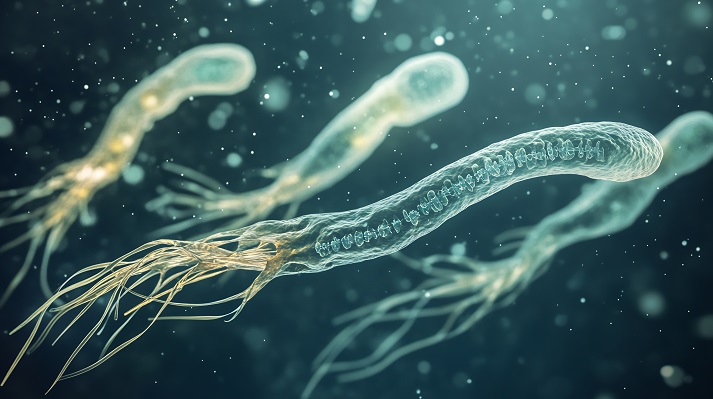
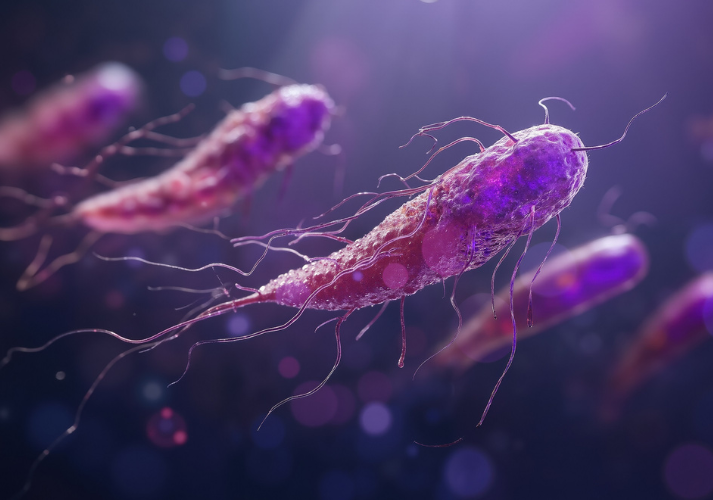
Flagella – Long tails that help the bacterium swim or move toward food.
Inclusions
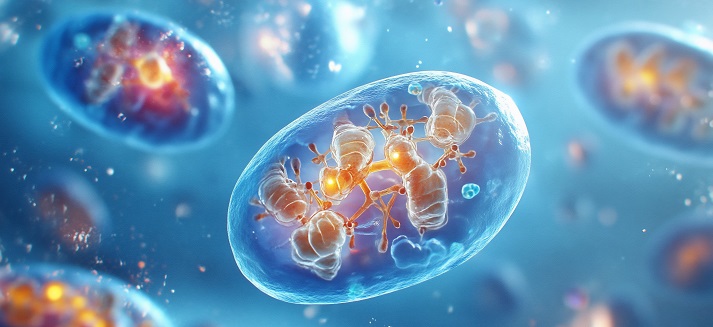
These are small storage blobs inside the cell. They might contain nutrients, minerals, or other materials the bacterium has picked up and wants to keep around.
Ready to Practice?
Now that you’ve explored the structure of a bacterial cell, see what you remember and apply what you’ve learned in the Got It? section.

Supplies
Additional Resources



 FAVORITE
 Like
Like