Sign Up
School Account Sign Up

Lesson ID: 14393
Explore how The Martian balances real science and storytelling—and learn how to enjoy movies while thinking critically about the science behind them.




Same Story. Different Rules.
Two versions of The Martian tell the same survival story.
One version lives almost entirely inside an astronaut’s head, walking step by step through calculations, failures, and problem solving. The other shows sweeping views of Mars, tense countdowns, and dramatic rescues designed to keep an audience leaning forward in their seats.
Both claim to be “scientifically grounded.” Both change the science in different ways.
This lesson explores what happens when real science meets storytelling—and how to tell the difference between accuracy, simplification, and fiction without ruining the fun.
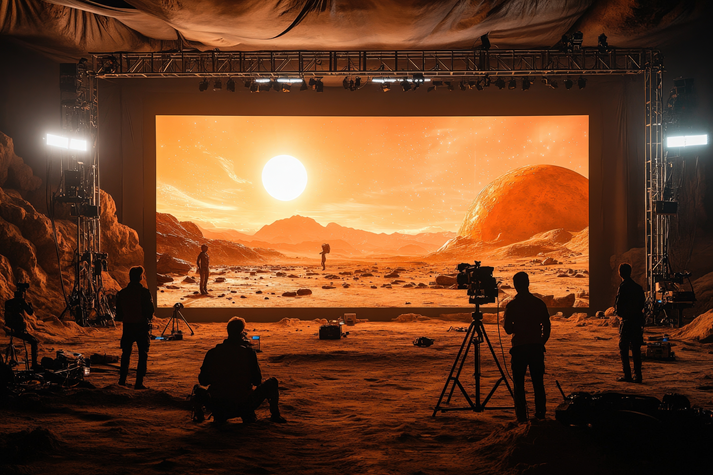
Science Has Goals. Stories Have Goals.
Science and storytelling both explain the world, but they do it differently.
Science aims to be:
Precise
Testable
Repeatable
Stories aim to be:
Understandable
Engaging
Memorable
When a story uses science, it must balance these goals. That balance explains why the book and movie versions of The Martian make different choices—even when they’re describing the same problem.

The Book: Living Inside the Math
The novel version of The Martian is written as a series of log entries. Readers follow Mark Watney’s thinking in real time as he:
Breaks problems into smaller pieces
Calculates risks
Fails and corrects mistakes
Explains his reasoning step by step
This format allows the book to:
Include detailed scientific explanations
Show trial-and-error problem solving
Emphasize process over outcome
The book rewards patience and curiosity. It treats science as the main character.

The Movie: Making Science Visible
Movies can’t pause for pages of calculations. Instead, they rely on:
Visual storytelling
Dialogue and montage
Emotional pacing
The film version of The Martian condenses many scientific steps into short scenes. It often shows the result of problem solving rather than every step that led there.
This makes the movie:
More accessible to a broader audience
Faster-paced
Easier to follow emotionally
The science is still present—but it’s streamlined.
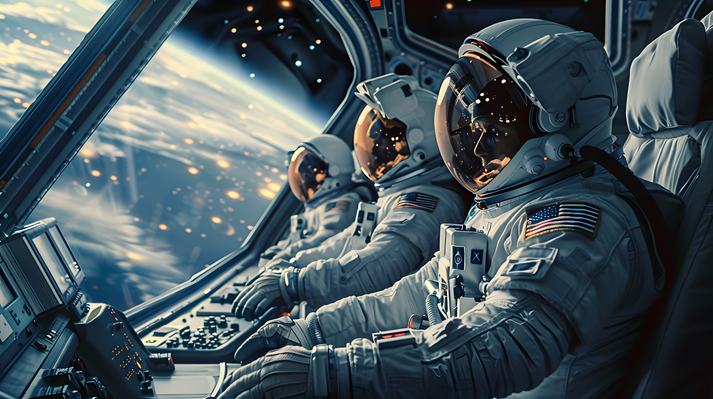
When Accuracy Holds Firm
Both versions get many things right:
Mars’s harsh environment
The importance of systems thinking
The role of science in survival
The idea that planning beats heroics
These accurate foundations make the story believable, even when details are simplified.
Good science fiction doesn’t require perfection. It requires respect for the rules.

When Science Bends (and Why)
Some moments stretch reality:
Dust storms that are too powerful
Timelines that move faster than physics allows
A suit-based thruster maneuver that wouldn’t work
These changes weren’t mistakes. They were choices.
Storytellers sometimes bend science to:
Increase tension
Clarify stakes
Create emotional closure
The key question isn’t “Is this wrong?” It’s “What was gained—and what was lost—by changing it?”
Audience Responsibility: Thinking While Watching
Understanding science doesn’t mean rejecting stories. It means engaging with them more deeply.
An informed viewer or reader can:
Enjoy the story
Recognize simplifications
Question dramatic moments
Separate emotional impact from scientific reality
This skill matters far beyond movies. News headlines, social media posts, and advertisements often use science to persuade. Knowing how to evaluate those claims is part of being scientifically literate.

The Big Idea: Respecting Both Worlds
The Martian succeeds because it treats science as something worth building a story around—even when it bends the rules.
The book shows how science works. The movie shows why it matters to people.
Understanding the difference helps you enjoy both—and think more clearly about science everywhere else.
What Comes Next
Now that you’ve explored how science and storytelling interact, it’s time to practice evaluating those choices yourself.
In the Got It? section, you’ll analyze examples, compare decisions, and decide when changing the science strengthens the story—and when it doesn’t.

Additional Resources
Suggested Reading
Suggested Resource


 FAVORITE
 Like
Like