Sign Up
School Account Sign Up




Wait… Plants Can Live in Water?
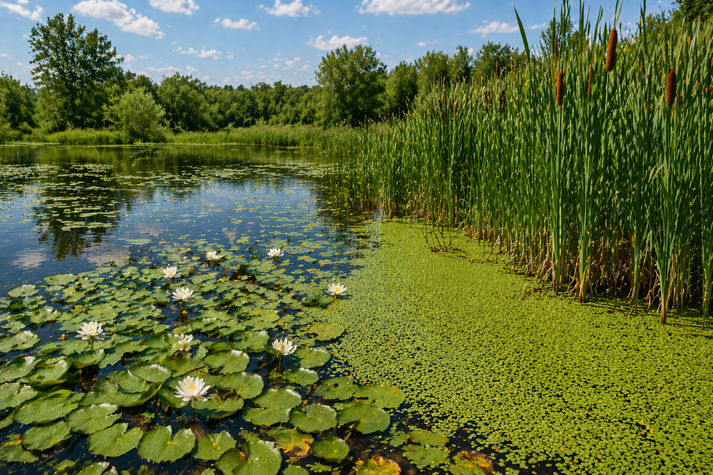
When you think of plants, you probably picture roots in soil.
Some plants float. Some grow completely underwater. Some stand tall in the water with their roots buried in mud.
Lakes and ponds are full of plants—and they are built to survive in ways that might surprise you.
Meet the Water Plants
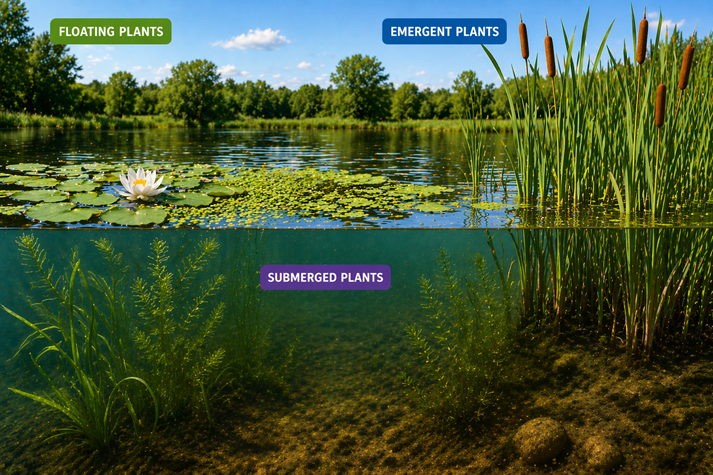
Plants in lakes and ponds come in three main types based on where and how they grow.
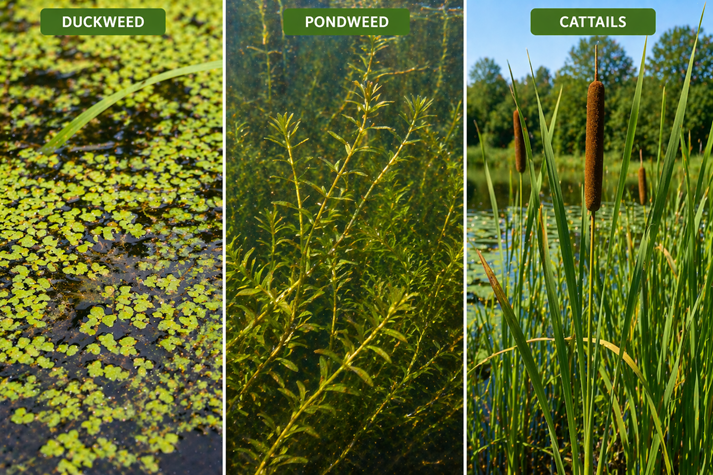
Floating plants sit on the water's surface. They are not attached to the bottom. Their roots hang down into the water instead of growing into the soil. Duckweed is a great example. It is tiny, spreads quickly, and can cover large areas of water.
Submerged plants grow completely underwater. Their stems and leaves stay below the surface. Plants like pondweed and eelgrass move with the water and absorb nutrients directly from it.
Emergent plants grow in shallow water, but part of the plant sticks up into the air. Cattails are a common example. Their roots stay in the muddy bottom, but their tall stems and leaves rise above the water.
Each type of plant grows in a different part of the lake or pond, depending on how much water and sunlight it needs.
Built to Survive: Amazing Plant Adaptations
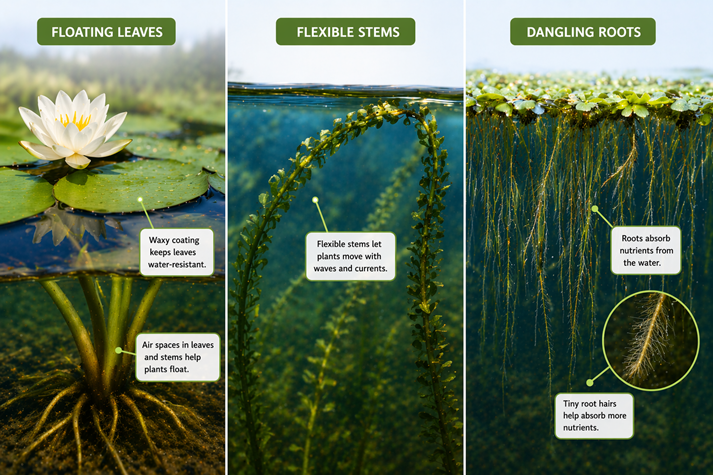
Water plants are not just regular plants placed in water. They have special features that help them survive.
Floating leaves, like those on water lilies, spread out on the surface to catch sunlight. These leaves are often wide and flat.
Flexible stems help plants bend and move with waves instead of breaking.
Air spaces inside stems and leaves help some plants float.
Roots are different, too. Some plants anchor into the mud, while others do not need soil at all.
These features help plants live in places where land plants would not survive.
Where Plants Grow in Lakes and Ponds
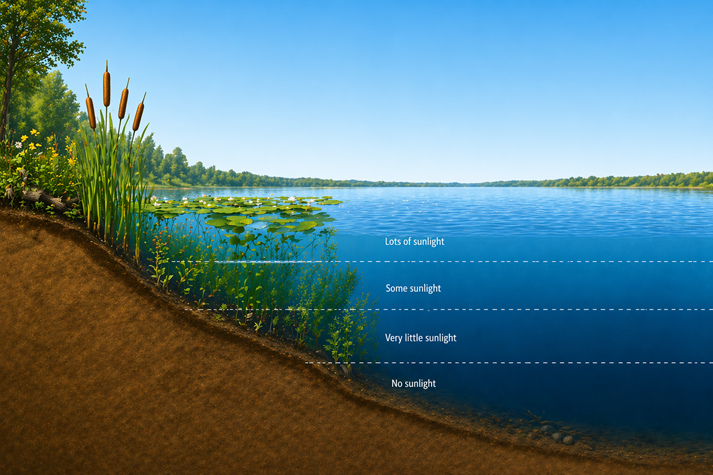
Most plants grow in the shallow areas near the shore. This area is called the littoral zone.
Sunlight can reach the bottom in shallow water. Plants need sunlight to make their own food.
In deeper water, there is not enough light. That is why fewer plants grow there.
Floating plants can live farther from shore because they stay on the surface, where sunlight is always available.
More Than Just Plants
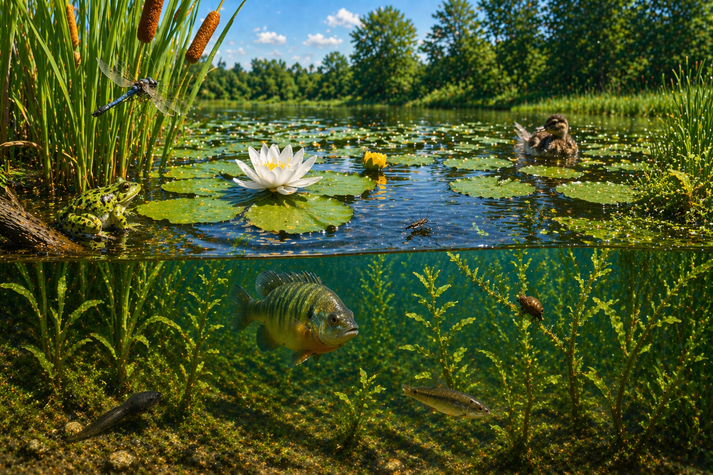
Water plants do more than just grow.
They provide food for animals. They give shelter to fish, frogs, and insects. They help keep the water clean by absorbing nutrients.
Without plants, lakes and ponds would not be able to support as much life.
You just explored the different types of water plants, how they survive, and where they grow.
Now it’s time to take a closer look and see if you can identify these plants and their features in action.

Supplies
Additional Resources




 FAVORITE
 Like
Like